Short-Term Care Options When Primary Caregivers Need a Break
Caring for a loved one can be deeply rewarding, but it also comes with stress, long hours, and emotional strain. Primary caregivers often put their own needs on the back burner, which can lead to fatigue and burnout. That’s why taking a break is more than just helpful — it’s necessary. When you’ve been giving your all for weeks or months, stepping away for a few days or even just a few hours gives you the space to rest, recharge, and come back with renewed energy.
Short-term care options can help make that break possible. Whether it’s for a planned vacation or some downtime to recover, these services give your loved one a safe and engaging environment while you take care of your own well-being. On Oahu, the need for this kind of support is growing. Families are looking for reliable ways to balance caregiving and other life responsibilities without guilt or worry. That’s where respite care on Oahu comes in — a flexible, short-term solution that supports both caregivers and seniors.
Understanding Respite Care
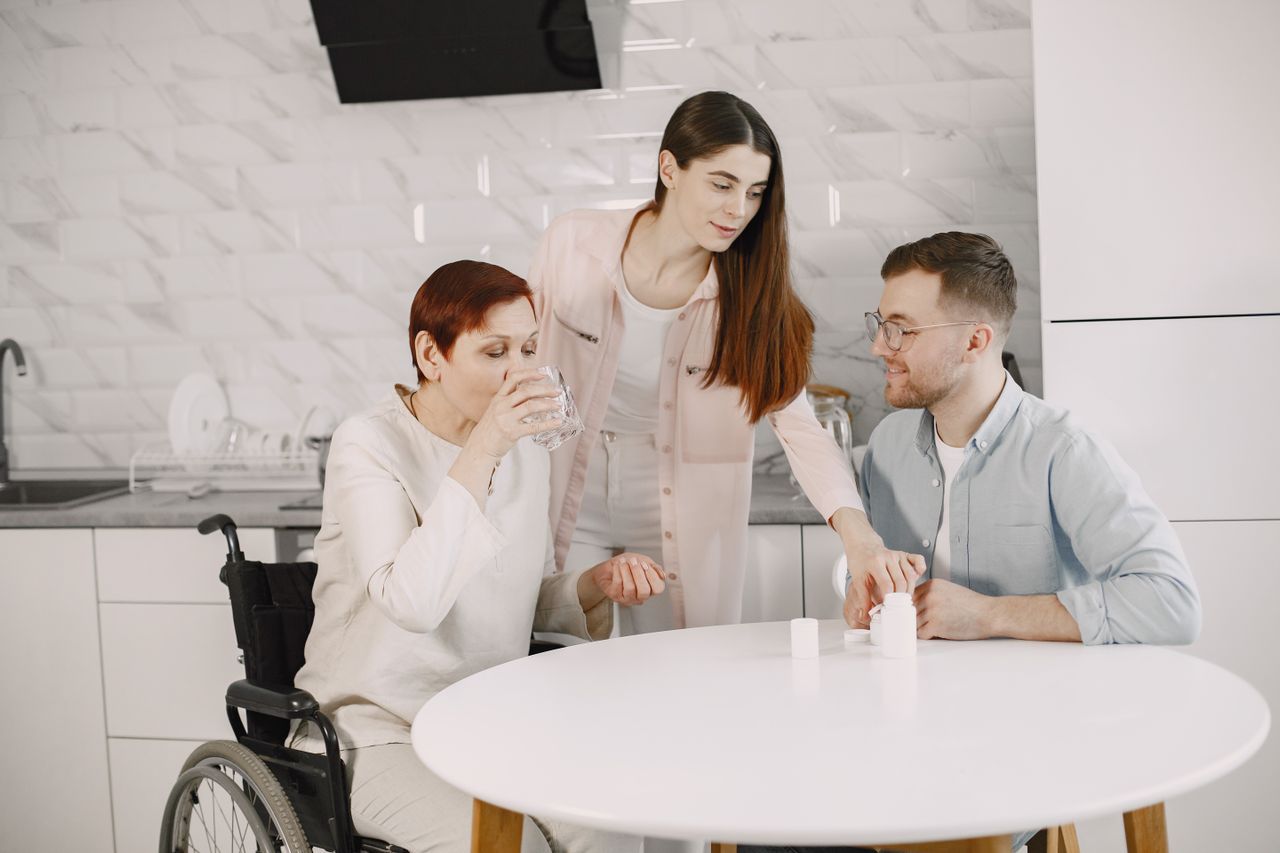
Respite care is temporary support for your loved one so you can take time away. It fills in the gap so you don’t have to worry while taking care of other parts of your life or simply getting some much-needed rest. Whether it’s a few hours, a few days, or a couple of weeks, respite care brings peace of mind for caregivers and meaningful social time for seniors.
There are a few types of respite care to choose from:
- In-home respite care: A trained caregiver comes to your home and provides one-on-one care, helping with daily needs like meals, grooming, and companionship.
- Adult day care programs: These are structured group settings where seniors can take part in activities, engage with peers, and receive supervision during the day.
- Residential short-term care: Some facilities offer temporary stays where seniors can live for a few days or weeks while still receiving full-time support.
Different families might turn to respite care for different reasons. Maybe you’re planning a vacation. Maybe you have a medical procedure coming up and need time to recover. Or maybe you just feel the signs of burnout setting in. Whatever the reason, taking care of yourself is never selfish. It helps you stay present and effective as a caregiver over the long run.
Respite care isn’t just a break for caregivers. It brings value to seniors, too. A change of scenery, new friends, and a chance to explore different activities can bring joy, confidence, and social connection. Even something simple like painting or a group game can brighten their day and spark curiosity.
One caregiver shared that she felt nervous the first time she left her dad at a day center for the weekend. But when she picked him up, he had made a new friend and was excited to show her the birdhouse he painted. They each got what they needed, just in different ways.
Exploring Short-Term Care Options on Oahu
On Oahu, there are several ways to find short-term support you can trust. The goal is to choose the option that suits your schedule, your comfort level, and your loved one’s needs.
1. Adult Day Care Centers
These programs are designed to work with your daytime needs. Seniors attend planned activities like light exercise, games, crafts, and social time with others. Meals and snacks are often included, and trained staff are on-site to help with anything from mobility support to medication reminders. Many centers are open Monday through Friday, and some offer limited Saturday hours.
2. In-Home Care Services
If your loved one prefers the comfort of being at home, a caregiver can come to them. Scheduling is flexible — from mornings and afternoons to overnight support. Care might involve help with bathing, meals, housekeeping, and friendly companionship. This is often a good fit for seniors who feel anxious about new places or routines.
3. Short-Term Residential Stays
Some care home facilities offer short-term stays, where your loved one can live for several days or weeks. They’ll stay in either a private or shared room and receive care around the clock. These stays provide full meals, activity options, medication support, and a safe, supervised setting, making it easier to step away without worry.
Before making a final choice, think through a few basic details. Look into transportation options, availability, costs, and what your loved one should bring. Some places fill up quickly or keep waiting lists, so planning in advance allows you to avoid last-minute stress. Even if you’re not ready to commit to a break just yet, knowing your options early helps everything go more smoothly.
How to Choose the Right Respite Care
The first time looking into short-term care can feel overwhelming. Start small — think about your loved one’s routine, personality, and health needs. That helps point you to the type of care that might be the best fit, whether it’s group-based or one on one.
Then, ask questions to learn more about the place or service you’re considering. Some helpful ones include:
- What kind of training do the staff have?
- Are meals, activities, and transportation provided?
- How are medication reminders and health needs handled?
- What is the daily schedule like?
- How do they keep you updated during the care?
If possible, visit the facility with your loved one. Tours can make it easier to imagine how a day might feel there. Ask if you can sit in for part of an activity. Watch how staff interact with seniors. If your loved one has memory issues or medical needs, let them know upfront so they can explain how they would handle those.
Even for a short stay, change can create stress. Help your loved one understand what’s ahead in a simple, clear way. Talk about where they’re going, what they might enjoy, and how soon they’ll be home. Familiar items like a favorite sweater, family photos, or their favorite snack can go a long way in making the experience more relaxing.
Encouraging a Positive Experience
Making the transition to respite care feel warm and safe helps both you and your loved one. You might say something like, “You’ll have time to meet new friends while I rest, and we’ll catch up soon.” Framing it as an adventure or temporary visit can turn worry into curiosity.
Try to mirror parts of their routine. If tea at 2 p.m. or wearing cozy slippers is important, bring those things along. These small comforts anchor them even in a new space.
It also helps to stay in touch. Many caregivers ask for short notes, check-in texts, or updates during the day. This not only helps lower any anxiety but also builds trust with the care team early on. And if your loved one shows joy over a certain activity or gets upset by something new, sharing that detail helps staff better shape the next visit.
Embracing the Break You Deserve
Now that care is arranged, you’re free to rest. And that’s something to celebrate. Whether it’s reconnecting with a friend over lunch, catching up on sleep, or simply taking a walk under the sun, this time is yours.
You may feel the urge to run errands, clean the house, or cram a lot into a tight schedule. Try to leave room for quiet time too. Laugh at a movie, nap without guilt, or listen to music that lifts your mood. Each calm moment helps refill your emotional and physical energy.
Feeling conflicted about stepping away is natural. But giving yourself space means you’ll return with more patience, energy, and strength. You’ll be able to handle challenges better—and more importantly, enjoy the moments of connection that mean the most.
Why These Breaks Matter More Than You Think
Short-term care isn’t just about filling time. It’s a way to build longevity into caregiving. With the right support, your loved one thrives, and you find room to breathe. Respite care on Oahu offers the chance to create balance that works for both of you.
These services aren’t last resorts. They’re planning tools. They add structure that helps keep you from stretching past your limits. They bring variety and joy into your loved one’s life while reminding you that caring for yourself is part of caring for them.
Taking a break doesn’t mean stepping away from responsibility. It means finding smart ways to keep showing up—refreshed, present, and ready.
Looking for a little breathing room while making sure your loved one is cared for? Discover how Hale Hau’oli Hawai’i can support both of you through flexible and compassionate
respite care on Oahu.