Respite Care on Oahu: Options for Your Kupuna’s Needs
Caregivers across Oahu often carry a lot at once. Work, kids out of school, graduations, church events, family trips, and caring for kupuna can all stack up at the same time. Respite care in Oahu gives families breathing room while keeping loved ones safe, respected, and cared for.
In this guide, we walk through three main respite options, like a menu you can mix and match: adult day care, in-home respite, and overnight or short-term stays. We also share simple ways to decide what fits your kupuna right now, and how to ease into support before a crisis hits.
Finding Breathing Room While Keeping Your Kupuna Safe
Caregiving can be beautiful, but it can also be exhausting. Many caregivers in Hawaii feel pulled in many directions, especially during busy times of year with extra family gatherings and school breaks.
Respite care means someone else you trust keeps an eye on your kupuna for a set time. This gives you space to keep life moving and also protect your own well-being. For example, respite can help you:
- Work your regular job or take on extra hours
- Run errands or attend events without rushing home
- Rest, nap, or care for your own health
- Travel off-island or take a short break
Think of respite like a menu of choices. Depending on what you need this week or this season, you can choose:
- Adult day care during daytime hours
- In-home respite for support right where your kupuna lives
- Overnight or short stays when you need a deeper reset
Different seasons of life call for different kinds of help. Here on Oahu, many families also want care that respects local culture, language, and kupuna values. That is the heart of what we focus on at Hale Hau’oli Hawai’i, as we support positive aging and caregiver relief in our community.
How to Know Your Family Is Ready for Respite
Sometimes the first sign you need a break is how you feel, not just how your kupuna is doing. Caregivers often notice changes in energy, mood, or health that build over time, such as:
- Constant tiredness, even after sleep
- Getting mad or irritated more easily
- Headaches, body aches, or more sickness
- Worry about safety at home, like falls or leaving the stove on
It also helps to look honestly at your kupuna’s needs and day-to-day safety. You may be seeing:
- Memory loss, confusion, or wandering
- Trouble walking, getting out of bed, or using the bathroom
- Loneliness, boredom, or sadness from being home alone
- Medical issues that make 24/7 supervision tough
Many families in Hawaii feel guilt about asking for help. There can be strong beliefs that family should do everything. Your kupuna might also resist, saying they do not want “strangers” in the home or they are “fine.”
We encourage families to see respite as an act of love. Taking breaks helps you care longer and with more patience. It is not abandoning your kupuna; it is protecting the whole ‘ohana.
To make the transition easier, it helps to approach respite proactively and with clear communication. Try to:
- Talk early with siblings and extended family, not only during a crisis
- Include your kupuna in the conversation as much as possible
Start small, maybe a few hours once a week, to build comfort and trust
Adult Day Care Centers as Daytime Support Hubs
Adult day care can feel like a safe second home for kupuna and a steady support for caregivers. Many programs offer structure, social connection, and supervision in one place. A typical day might include:
- Door-to-door transportation if available
- Warm greeting on arrival and help getting settled
- Nutritious meals and snacks
- Activities like music, light exercise, arts, games, and talk story
- Supervision and support from trained staff all day
Adult day care can be a good fit when a kupuna benefits from routine, engagement, and a supportive environment while you work, rest, or handle responsibilities. It may be especially helpful if your kupuna:
- Can move with or without help, even with a cane or walker
- Has early to moderate memory loss or dementia
- Spends long hours alone at home and feels lonely or restless
- Needs structure during the day while you work or rest
On Oahu, many centers include familiar touches, like local music, island-style meals, and activities that honor Hawaiian culture. This can help kupuna feel more at ease and connected.
When choosing a center, it is important to look beyond the schedule and ask how care is delivered day to day. Pay attention to:
- Staff training and experience with seniors and dementia
- Language and cultural comfort, so kupuna feels heard
- Staff-to-participant ratio, so there is enough help
- Safety practices, including for falls or wandering
- How they respond to difficult behaviors or mood changes
At Hale Hau’oli Hawai’i, we focus on positive aging, safe supervision, and peace of mind for caregivers, so families feel supported, not alone.
In-Home Respite for Kupuna Who Prefer Staying Put
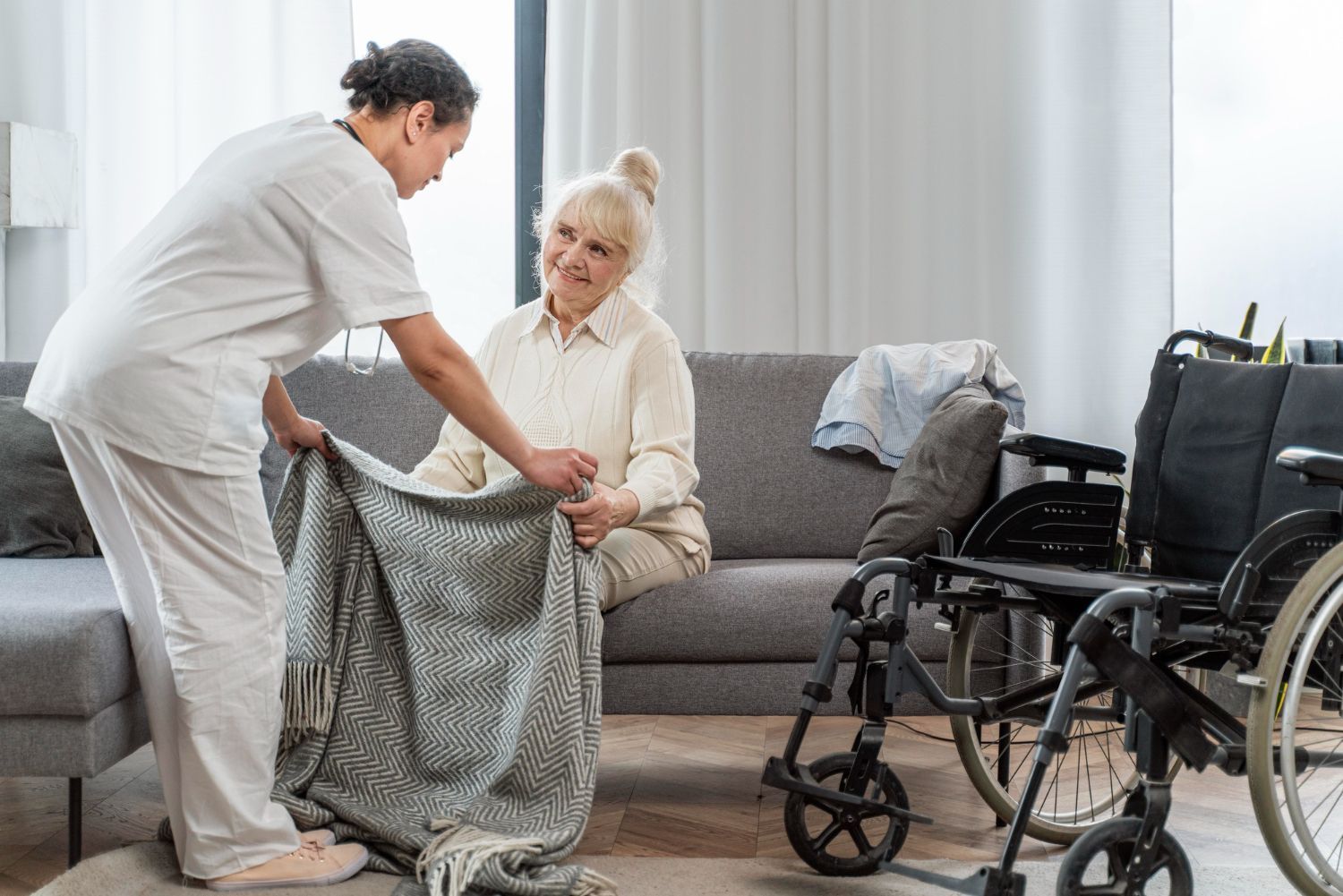
Some kupuna are happiest at home. They may feel stressed in groups or have trouble moving around. In-home respite brings support directly to them, so they can stay in a familiar space while you step away for a few hours or a full day.
There are usually two paths:
- Caregivers from an agency
- Independent providers that families hire on their own
Shifts can be short, just enough time for grocery shopping or appointments, or longer blocks to cover a full workday or special family events.
In-home care can support both practical needs and companionship. Depending on the situation, it can help with:
- Companionship and conversation
- Light housekeeping and simple meal prep
- Medication reminders as directed by the family or nurse
- Personal care like bathing, grooming, and dressing
- Supervision to reduce fall risk or wandering
If your kupuna has complex medical needs, skilled nursing may be separate from regular in-home respite care.
A strong match matters, because in-home respite is personal and relational. To match the right caregiver, think about:
- Personality and communication style
- Language and cultural background
- Comfort with dementia or behavior changes
- Willingness to work evenings, weekends, or holidays
Safety matters too. Families should ask about background checks, how care plans are shared, and how caregivers will update them, whether by notes, texts, or calls, so everyone knows what is happening.
Overnight and Short-Term Stays for Deeper Recharge
Sometimes a few hours is not enough. Overnight or short-term respite stays can offer a stronger reset for caregivers who need to travel or recover, while giving kupuna consistent care around the clock.
Short-term options may include:
- Temporary stays in assisted living or care homes
- Short-term memory care stays
- Adult day programs that offer extended hours or occasional overnight care
These options can be especially helpful during times when caregiving demands spike or you truly cannot be available overnight, such as when:
- You travel interisland or out of state
- You are having surgery or dealing with illness
- Burnout has built up and you need more than a weekend nap
- Your family is thinking about long-term placement and wants a “trial run”
During a stay, kupuna might have a private or shared room, meals, social time, and help with daily tasks, with staff available at night. Bringing familiar items like photos, a favorite pillow, or a blanket can make things feel more like home.
When you visit places for overnight respite, look closely at how the setting feels and how prepared the team is for real-life needs. Consider:
- How staff greet and interact with residents
- Emergency and medical response plans
- Dementia and behavior training for staff
- What is included in the daily rate
- Minimum number of days required for each stay
Around summer, spaces for respite can fill quickly as more families plan trips and long weekends, so it can help to plan ahead and ask early about availability.
Matching the Right Respite Option to Your Kupuna
If you feel unsure where to start, it can help to use a simple framework based on what your kupuna needs most and what you, as a caregiver, need to stay steady.
- If you want daytime structure and social time, adult day care may be best
- If your kupuna strongly prefers home or has big mobility challenges, in-home respite may fit
- If you will be away overnight or need a deeper recharge, short-term stays may be needed
Many families use a mix. For example, a few days a week at adult day care can bring routine and friendships, while in-home support covers evenings or special events. Once in a while, an overnight stay can help during travel or big life changes.
We often suggest testing new support slowly so your kupuna can build trust and you can see what truly works before you rely on it in a stressful moment. You can start with:
- A half-day at an adult day center
- A short in-home shift with a new caregiver
- A single overnight stay before committing to a longer block
At Hale Hau’oli Hawai’i, we understand that every kupuna and every family is different. Our team works to listen, share options clearly, and help ‘ohana find a realistic respite plan that feels right for their needs, culture, and schedule.
Find Caring Support That Gives You Peace Of Mind
If you are feeling stretched thin and need a trusted partner to help care for your kupuna, we are here to support you. Our team at Hale Hau’oli Hawai’i can provide flexible
respite care in Oahu so you can rest, work, or handle life’s responsibilities with confidence. Reach out today through our
contact us page so we can talk about your situation and explore the best options for your family. Together, we can create a care plan that supports both you and your loved one.