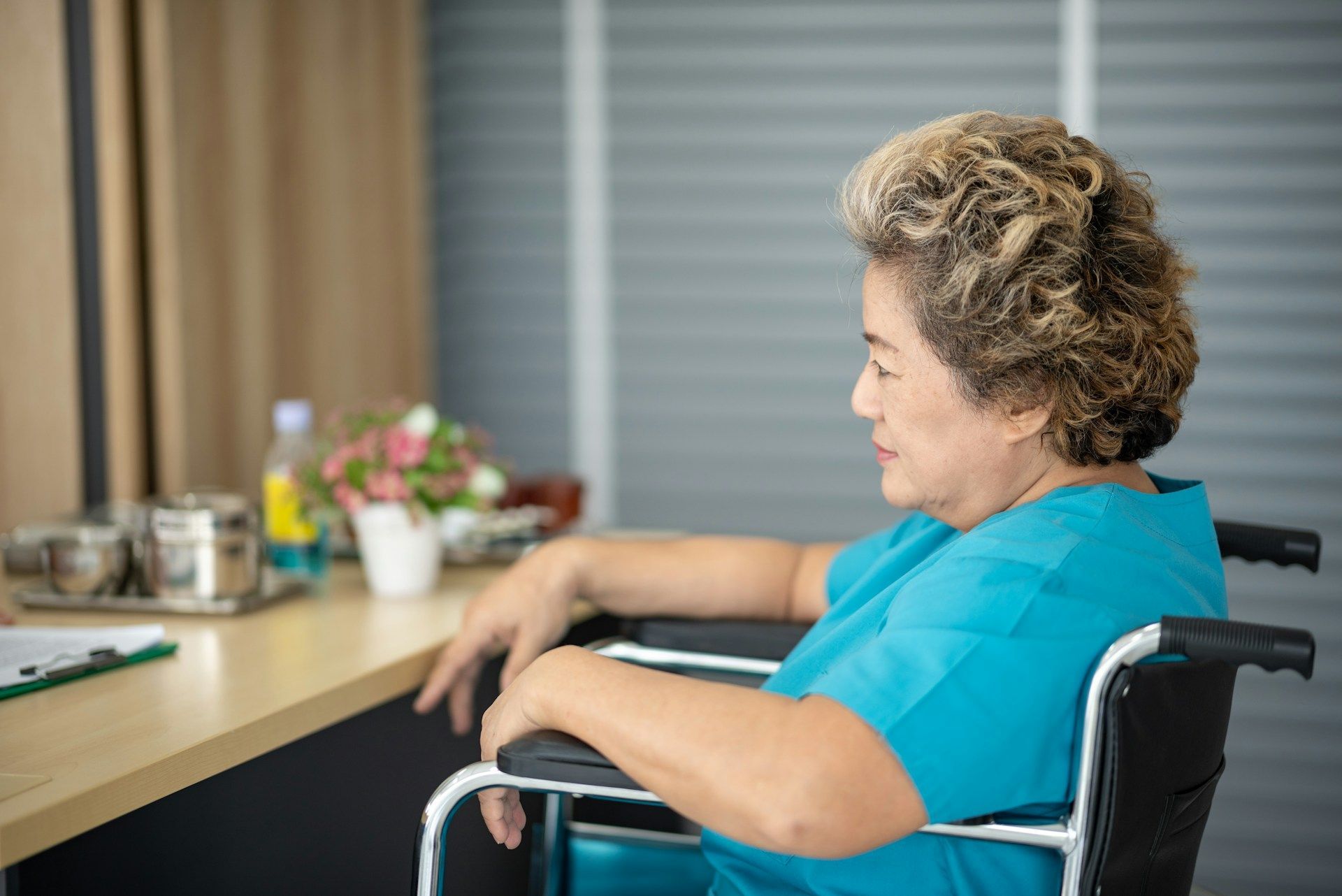
Safe “Home Alone” Plan for Kūpuna on Oʻahu: Tech and Check-Ins
Smart Summer Safety for Kupuna Staying Home Alone
Many families on Oʻahu are working long hours and juggling different jobs. At the same time, many kupuna want to stay in the comfort of their own homes. Both of these things are true, and they can make daily care feel stressful for the whole family.
A clear “home alone” plan can help. The goal is simple: support independence while lowering the chance of falls, dehydration, medication mistakes, and loneliness. When we mix simple technology, daily routines, and community resources like adult day care on Oʻahu, we can keep kupuna safer and more connected.
Summer brings longer days, school breaks, and more activity in the home. It is also hurricane season for Hawaiʻi and a time when heat and humidity can be stronger. This makes it a good time to check your plan, fill in gaps, and talk as an ʻohana about what feels safe for everyone.
Assessing If Your Kupuna Is Safe Home Alone
Before we set up apps or devices, we need to ask hard but loving questions. We want to see what your kupuna can do on their own and where they may need help.
Some helpful questions to ask yourself are:
- Mobility: Can they walk safely, get to the bathroom in time, and use stairs or uneven paths without help?
- Memory: Do they forget the stove, doors, or medications? Do they misplace things in risky spots, like car keys in the fridge?
- Judgment: Do they open the door to strangers, answer suspicious phone calls, or try to go out alone late at night?
Emotional health matters too. Kupuna who are alone for many hours can feel:
- Lonely or left out
- Anxious, especially at night
- Bored, which can lead to risky choices like wandering outside or skipping meals
On Oʻahu, we also watch for local risks like hot apartments with poor airflow, steep driveways, busy streets near bus stops, and the chance of power outages during storms. All of these can make being home alone harder and less safe.
Try not to rely only on “I am fine” from a proud kupuna. It helps to:
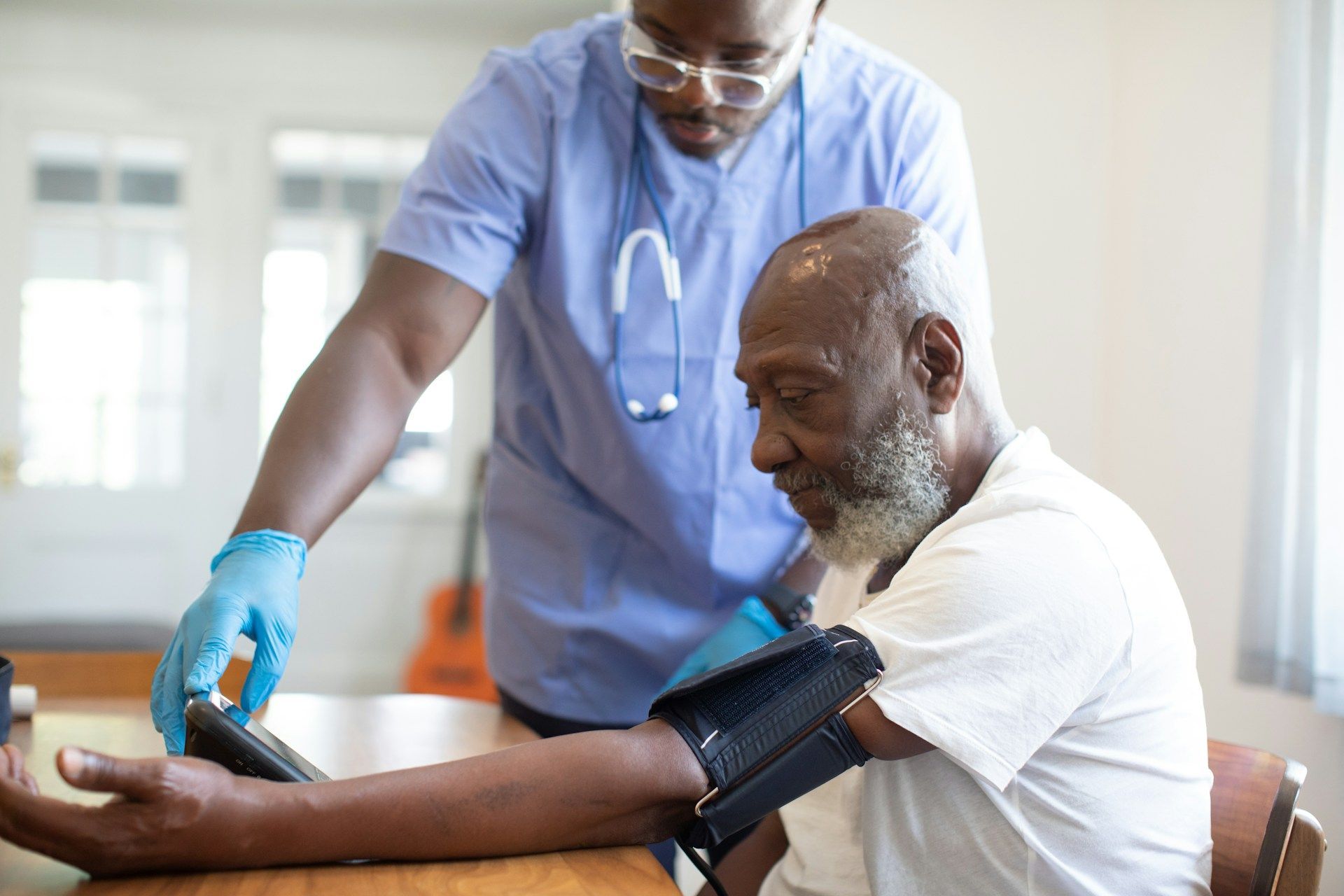
- Talk with their doctor about memory, falls, and medications
- Ask a social worker or care professional for input
- Have honest talks with siblings, cousins, and other helpers about what they see
Using Simple Technology Without Overwhelming Kupuna
Technology does not have to be fancy to make a big difference. Many kupuna do well with just one or two simple tools.
Easy starting points include:
- Large-button phones with names on speed dial
- Wearable alert buttons that can call for help
- Simple voice assistants that can give reminders for pills, meals, or water
Video tools like FaceTime, Zoom, or WhatsApp can work well if they are set up for one-tap use. Save family faces on the home screen so your kupuna can just touch the photo to call. Practice by having short, fun calls with grandkids or other relatives, so it feels natural, not scary.
You can also add safety devices around the home, such as:
- Automatic stove shutoff devices
- Smart plugs to turn off hot items like irons
- Door sensors that alert you if outside doors open at odd times
- Motion-activated lights in hallways, bathrooms, and steps to reduce falls at night
We know there can be barriers. Some kupuna are afraid of “complicated gadgets.” Some homes have weak internet. Others worry about cameras watching them. Start small. Choose just one or two tools, explain them slowly, and respect their privacy. Build from there only if your kupuna feels ready.
Building a Daily Check-in Routine That Really Works
Technology works best when it fits into a steady routine. A clear schedule helps everyone know what to expect.
Think about your family’s normal day and set check-in times that match work and school:
- Early morning: A quick call or text to see how they slept and if they took morning meds
- Lunchtime: Short phone call or video chat to remind about eating and drinking water
- After work or school: In-person visit if possible, or a longer talk-story time by phone
- Evening: A final “good night” check, making sure doors are locked and your kupuna feels calm
It helps to give each helper a specific role:
- One person is in charge of morning calls
- Another handles food drop-offs or meal deliveries
- Someone else manages medication setup and checks refills
- One person is “on call” if your kupuna does not answer
To make check-ins feel loving, not like spying, add connection:
- Read a short devotional or prayer together over the phone
- Share photos or short videos of the moʻopuna
- Watch the same TV show while on video and talk about it during commercials
Things happen, and sometimes a call will be missed. Have backup plans:
- A trusted neighbor can knock if no one reaches your kupuna
- A building manager or security person can be a backup contact
- Some devices can send an alert if there is no movement in the home for several hours
Knowing When It’s Time to Add Adult Day Care
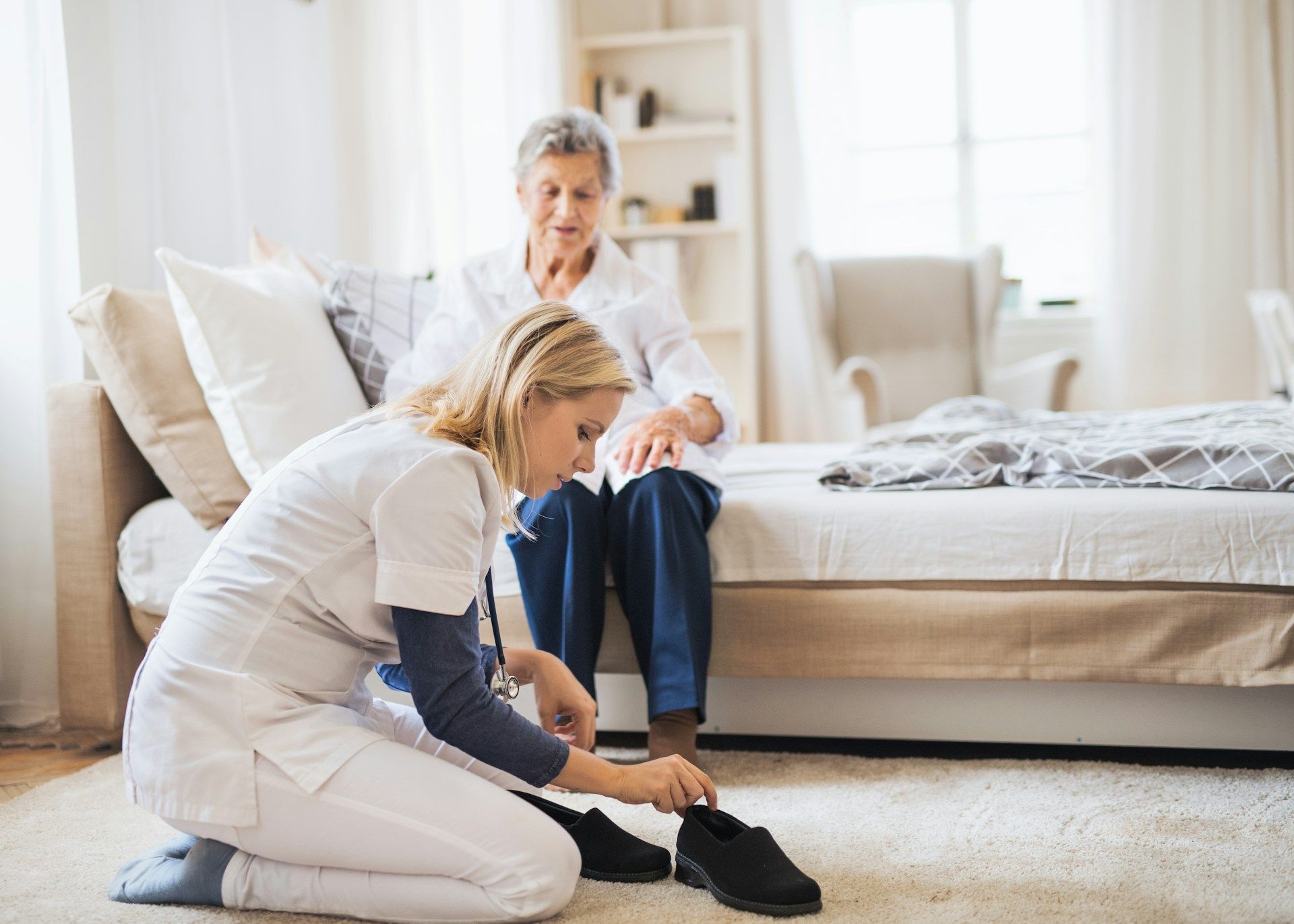
Even with the best “home alone” plan, there comes a time when extra support is needed. It is not a failure. It is a sign that your kupuna’s needs are changing.
Warning signs that home alone is no longer safe include:
- More frequent falls or close calls
- Wandering, getting lost, or trying to leave at night
- Missed medications or double doses
- Stronger confusion, like not knowing the day or where they are
- Big mood shifts, anger, or sudden sadness
Emotional clues can be just as clear:
- Saying they are scared to be alone
- Calling again and again during the day just for reassurance
- Refusing favorite activities, music, or TV shows they once enjoyed
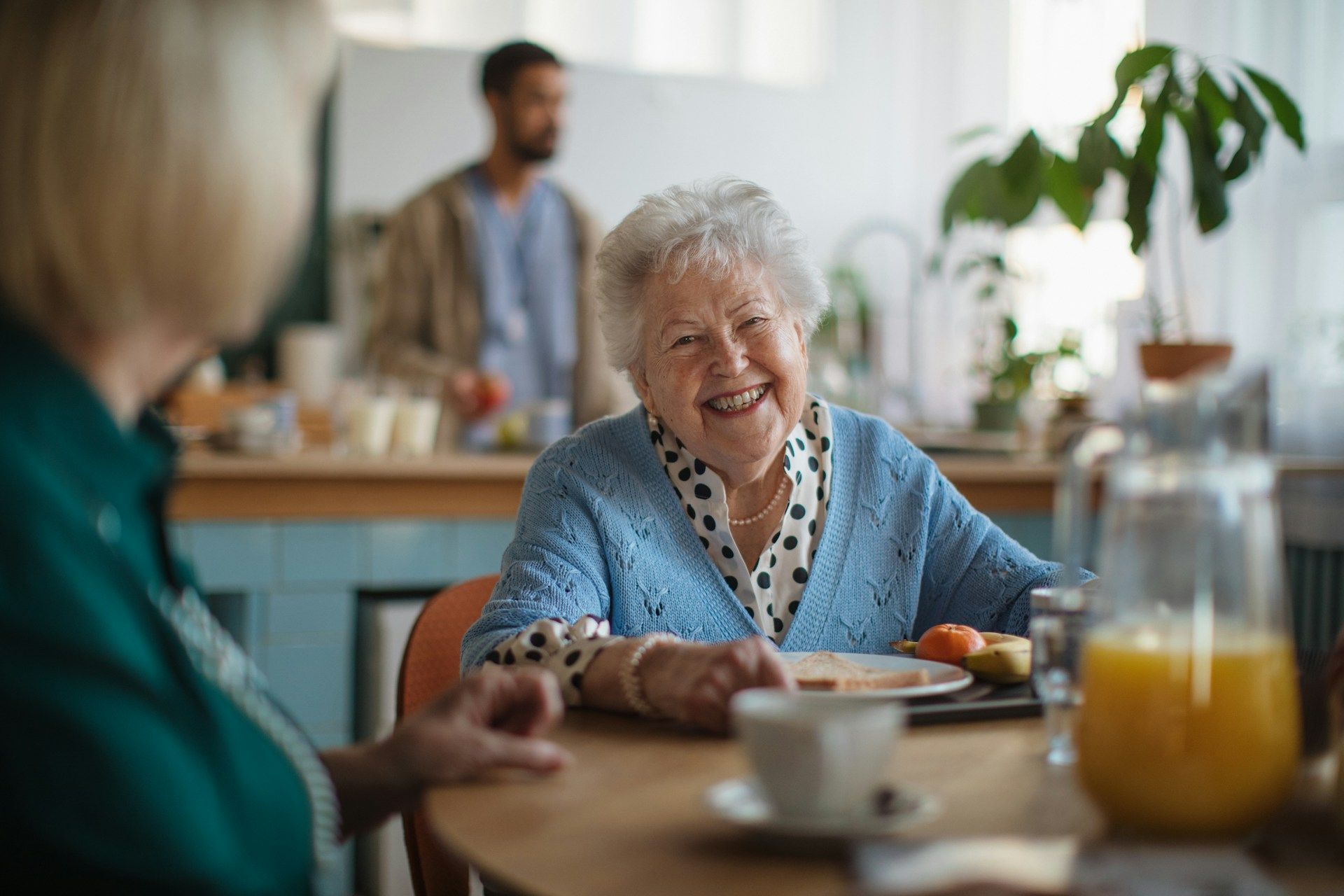
At that point, adult day care on Oʻahu can become a helpful part of the week. Adult day programs offer structured activities, social time, and trained staff who watch for changes in health or behavior. For families dealing with traffic, long shifts, and limited time off, having a regular and trusted place for kupuna can bring real peace of mind.
Creating a Step-by-Step Home Alone Plan for Your ʻOhana
To pull everything together, try a simple planning framework:
1) Safety assessment
- Walk through the home and yard to spot tripping hazards, dark spots, and tricky steps
- List health issues, medications, and any memory concerns
- Note special needs like walkers, hearing aids, or bathroom supports
2) Technology checklist
- Write down what you already have, such as phones, alarms, or cameras
- Decide which one or two new tools would help most right now
3) Daily schedule
- Map out meals, snacks, water reminders, bathroom times, and nap times
- Add simple activities they enjoy, like music, puzzles, or light exercise
4) Check-in roster
- Decide who checks in, at what times, and using what method
- Share phone numbers and backup contacts with everyone
5) Emergency procedures
- List who to call first, second, and third in an urgent situation
- Decide where your kupuna will go if they cannot stay home
- Keep a small “go bag” ready with medication lists, copies of ID, and basic supplies
Because it is hurricane season, include a storm version of your plan. Talk about evacuation options, how to keep medications safe, and who will come to help if power or water goes out.
Write everything down. Keep copies on the fridge, in caregiver phones, and with any neighbors or friends who have agreed to be part of the safety net.
Taking the Next Step Toward Peace of Mind for Your Kupuna
The heart of all this is respect. We want to keep our kupuna safe without taking away their voice. A calm, open talk can go a long way. Ask what makes them feel safe, what worries them, and what kind of help feels comfortable.
Many families find that a mix works best: some days at home with a strong plan, and some days at an adult day care program like Hale Hauʻoli Hawaiʻi for social time and supervised care. With planning and teamwork, kupuna on Oʻahu can continue to age positively, safely, and with dignity, while caregivers feel supported instead of alone.
Give Your Loved One a Safe, Uplifting Place to Spend the Day
If you are looking for compassionate, engaging care for a family member, our
elderly day care in Oahu is here to support your entire ‘ohana. At Hale Hau’oli Hawai’i, we focus on safety, meaningful activities, and genuine connection so seniors feel respected and valued. Reach out through our
contact us page to discuss your loved one’s needs and schedule a visit. Let us help you create a dependable daily routine that brings comfort to them and peace of mind to you.