Oʻahu Adult Day Care Summer Safety Checklist: What Families Should Ask
Summer on Oʻahu: Keeping Kūpuna Safe and Thriving
Summer on Oʻahu can feel gentle compared to other places, but it can still be tough on kūpuna. High humidity, strong sun, vog days, and sudden showers all add stress to aging bodies. Even when the temperature feels “not too bad,” older adults can overheat or get tired very quickly.
Our goal here is simple: to help families understand what safe, high-quality adult day care should look like during the summer on Oʻahu, and to give you clear questions to ask before enrolling your loved one. When you tour any senior day care in Honolulu, you should feel confident that staff know local weather patterns and plan ahead, not just react when something goes wrong.
At Hale Hau’oli Hawai’i, we focus on positive aging for our island kūpuna. We pay attention to Hawaiʻi’s unique climate and to local culture, so safety plans still feel warm, respectful, and full of aloha.
Heat and Sun Safety Protocols Every Center Should Follow
Our tropical weather can be tricky. Kūpuna are more sensitive to heat and sun for several reasons. Many have chronic heart or lung conditions, diabetes or kidney problems, medications that change how the body sweats or holds water, or thinner, more fragile skin.
On trade wind days, the breeze can feel cool, but the UV index and humidity can still be high. That mix makes it easier to get sunburned or overheated without noticing until it is serious.
Inside the center, you should see clear steps to keep kūpuna cool and shaded, such as:
- Regular checks of room temperature and humidity
- Fans or A/C that keep air moving and comfortable
- Curtains, UV films, or shades on sunny windows
- Covered outdoor spaces for short, safe fresh-air breaks
- Activity schedules that avoid outdoor time in the strongest midday sun
Some kūpuna love to be outside. A thoughtful center will still plan outdoor time carefully and keep it short and supervised. That usually means providing or encouraging protective items and following consistent procedures, including:
- Wide-brimmed hats or visors
- Light, breathable clothing
- Sunscreen applied with consent and clear procedures
- Close watching for any signs of fatigue or confusion
When you visit any senior day care in Honolulu during the hot months, you can ask:
- How often do you check indoor temperature and humidity?
- Do you limit outdoor time during peak sun hours?
- How do you protect kūpuna with memory loss from wandering into the sun?
- What is your process for sunscreen and hats?
Red flags include stuffy rooms, no clear shade outside, or no posted guidelines about heat or weather. Trust what you see and what you feel in your own body while you are there.
Hydration, Nutrition, and Medication Considerations in Summer
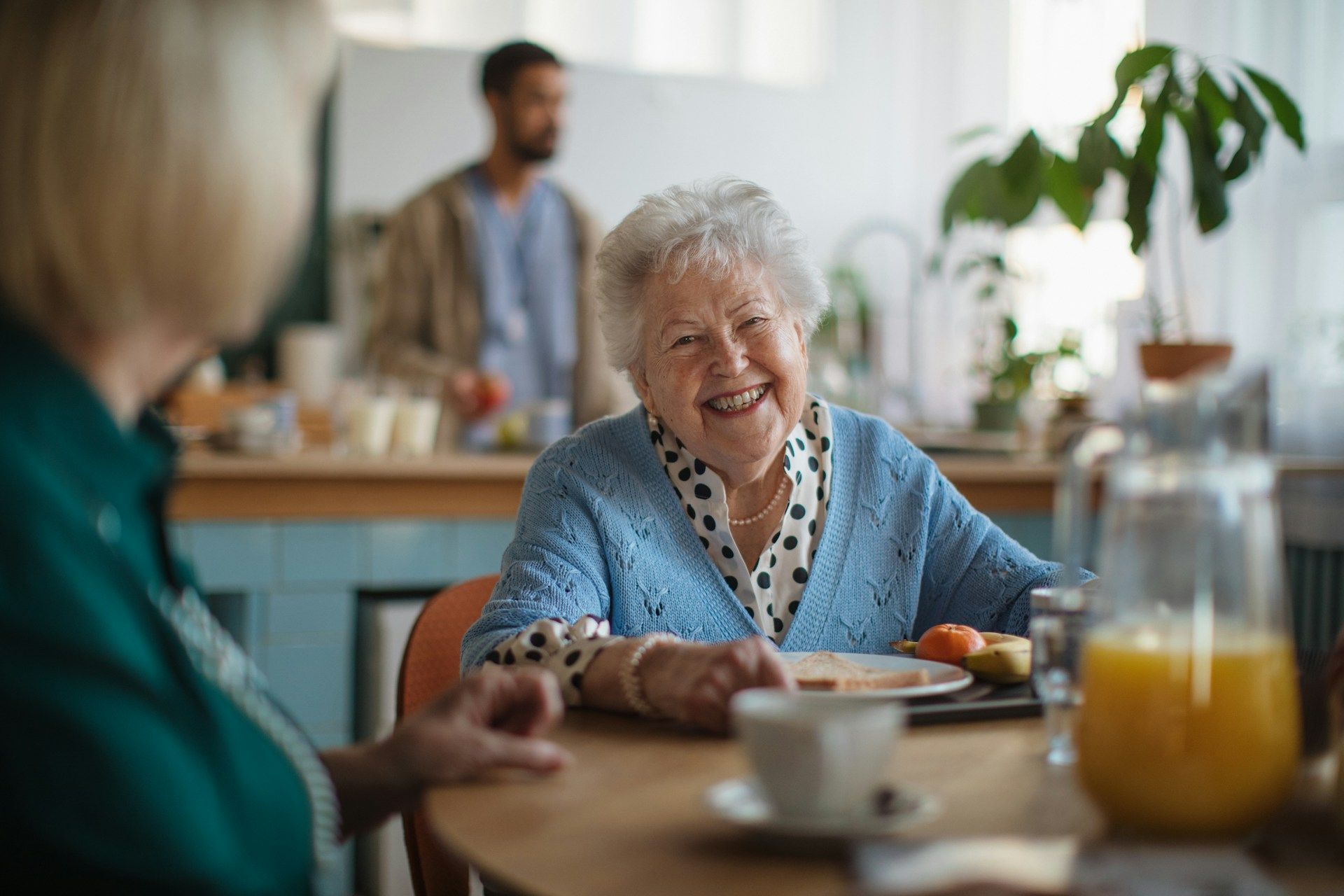
Many older adults do not feel thirsty until they are already dehydrated. This is especially true for kūpuna with dementia or those taking diuretics or other medications that increase bathroom trips. A strong program will not wait for participants to ask for water, and instead builds hydration into the day.
Good hydration routines often include:
- Scheduled water breaks throughout the day
- Fluids offered during every activity, not just at meals
- Choices like water, herbal teas, or low-sugar flavored drinks
- Gentle reminders and encouragement, especially for those at higher risk
- Tracking fluid intake for participants who need closer monitoring
Summer-friendly snacks and meals can help with both comfort and hydration. Centers often do best when they plan menus around cooling, easy-to-eat options while still respecting common health needs and local preferences, such as:
- Fresh fruits and local produce when possible
- Soups or broths that are easy to eat and hydrating
- Soft, easy-to-chew options for those with dental issues
- Menus that respect cultural preferences and common needs like low-sodium or diabetic-friendly diets
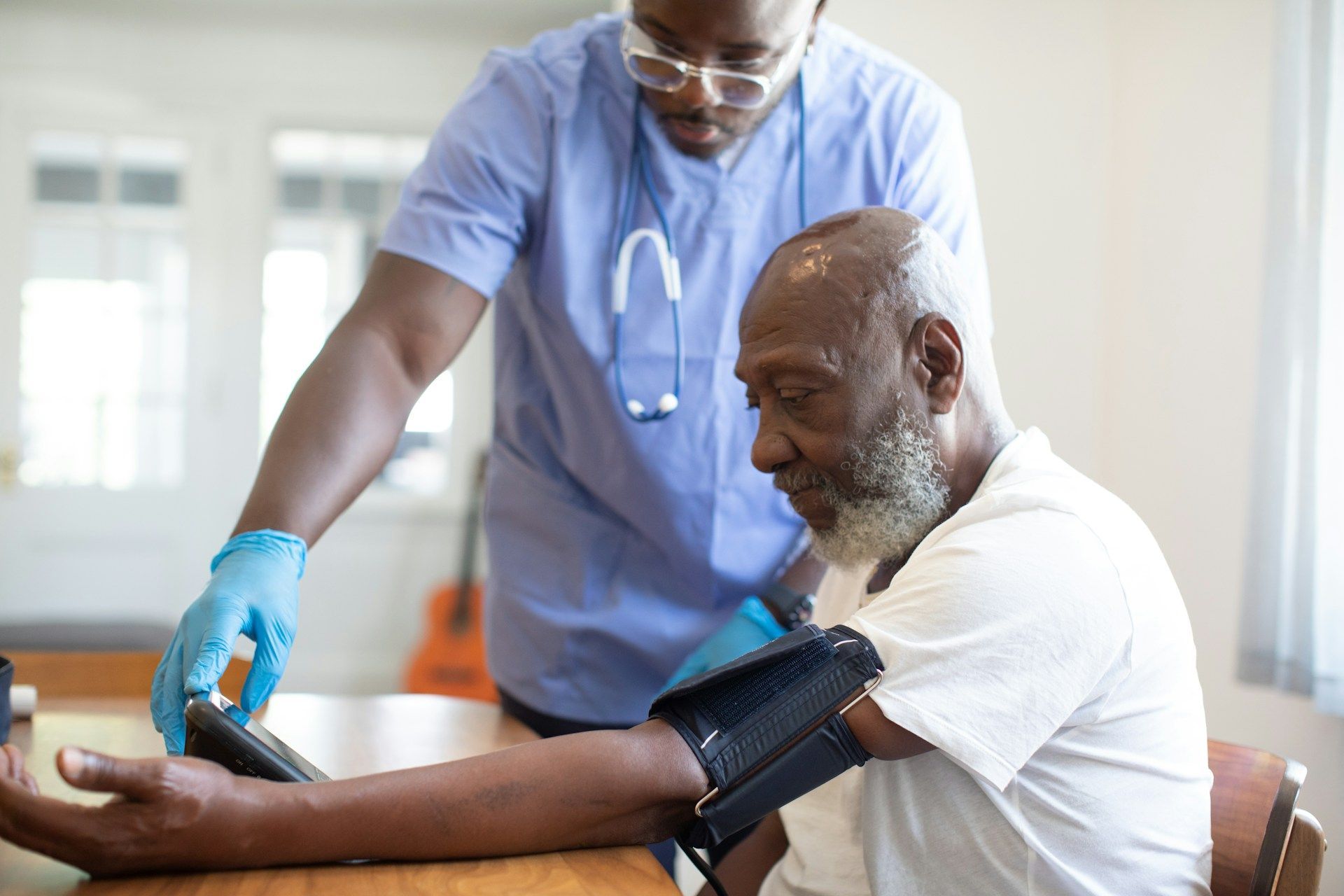
Medications and health monitoring need extra attention in hot weather. Some medicines can make skin more sensitive to sun, increase the chance of dehydration, or affect blood pressure or blood sugar more strongly in the heat. Because of that, families should feel comfortable asking detailed questions about how staff monitor changes and document care.
Families can ask:
- Where and how are medications stored during warm months?
- Who is trained to give medications, and how is this documented?
- Who watches for signs like dizziness, confusion, or unusual sleepiness?
- How do you coordinate with physicians if you notice summer-related health changes?
It helps when caregivers share updated medication lists often and ask how the senior day care in Honolulu handles new prescriptions or dosage changes, especially before the hottest part of the year.
Transport Safety and Summer Emergency Readiness
Transport is a big part of safety. Vans and shuttles should be checked so kūpuna are never at risk in a hot vehicle, and so mobility needs are supported without rushing. Families can look for clear vehicle standards and handling practices, including:
- Working A/C and windows that open safely
- Shaded or covered parking areas when possible
- A firm policy that no one is ever left alone in a vehicle, even for a moment
- Help with walkers, canes, and wheelchairs to prevent falls
Staff should also know how to support kūpuna who tire easily in the heat. This can include walking shorter distances, offering seated rest breaks, and taking extra care when getting on and off vehicles.
Summer on Oʻahu is also hurricane season, and we can see heavy rain, strong winds, vog changes, and sudden power outages. A strong emergency plan usually includes:
- Backup cooling plans if the power or A/C goes out
- Clear communication trees for families and staff
- Evacuation and shelter-in-place procedures
- Coordination with local agencies and building managers
- Regular reviews of supplies like water, food, and first aid items
When you tour, consider asking:
- What is your transport safety checklist for drivers and aides?
- How do you handle delays from weather or traffic, especially in the afternoon heat?
- What happens if there is a hurricane watch while my loved one is at the center?
- How often do you practice emergency drills?
Ask if you can see written emergency plans, not just hear a quick summary.
Infection Control and Cleanliness During Busy Summer Months
Even outside flu season, infections can spread quickly. Summer brings more travel, visiting family, and schedule changes. For kūpuna with chronic conditions, even a “simple” cold or stomach bug can have serious effects, so consistent routines matter.
Daily routines that support infection control often include:
- Frequent cleaning of high-touch surfaces like tables, rails, and doorknobs
- Safe handling and cleaning of shared items and activity supplies
- Handwashing or sanitizer before meals, after restroom use, and after group activities
- Thoughtful use of masks if recommended by health officials
Health screening practices might involve:
- Gentle daily check-ins for cough, fatigue, or confusion
- Temperature checks or symptom questions when needed
- Clear rules about when someone should stay home and when it is safe to return
Communication with families is key, especially when guidance changes or when a participant has been exposed. You can ask:
- What is your illness policy during busy travel seasons?
- How will you notify me if my loved one has been exposed to an infectious illness?
- How do you balance infection control with keeping social activities going?
For any senior day care in Honolulu, families should expect open, timely updates about health and safety issues and any new guidance from the Department of Health.
Your Summer Safety Checklist Before Choosing a Day Care
It helps to turn worries into clear questions. When you visit centers, bring a small notebook and ask about:
- Heat and UV policies, including indoor comfort and outdoor time
- Hydration schedules and summer-friendly snacks and meals
- Medication storage and health monitoring in warm weather
- Transport safety rules and vehicle conditions
- Emergency plans for hurricanes, power outages, and heavy rain
- Cleaning routines and infection control steps
You can also ask if you may take quick photos of spaces or posted policies, if allowed, so you can compare later.
Once you choose a provider, share what makes your kūpuna unique. Let staff know about:
- Health conditions and recent changes
- Cultural or religious practices that matter to your family
- Favorite activities, music, or foods
- Any history of heat, sun, or hydration problems
Safety works best as a partnership. Families can keep emergency contacts and medication lists current, while the center provides thoughtful, summer-aware care and keeps you in the loop.
At Hale Hau’oli Hawai’i, our focus is on positive, safe aging for our island kūpuna. We build summer safety into our daily routines, our caregiver education, and our support services, so kūpuna can stay engaged, comfortable, and cared for even on the warmest days.
Support Your Loved One With Safe, Engaging Day Care
If you are looking for compassionate, reliable
senior day care in Honolulu, we are here to help your loved one enjoy each day with purpose and connection. At Hale Hau’oli Hawai’i, we provide a secure, friendly setting where seniors can socialize, participate in meaningful activities, and receive attentive care. Reach out to
contact us so we can learn about your family’s needs and recommend the best schedule and services for your situation. Together, we will create a daytime care plan that supports your loved one and gives you greater peace of mind.