Planning Summer Break When Your Kupuna Needs Daily Care
Planning a Summer That Works for Your Whole Ohana
Summer on Oahu often means keiki are out of school, relatives are flying in, and everyone wants more beach days and family time. For families who care for a kupuna who needs daily support, this fun season can also feel stressful. You may be trying to balance work, activities, and doctor visits, all while making sure your loved one is safe and comfortable.
Many caregivers worry about how to keep kupuna engaged, what to do when schedules change, and how to avoid feeling worn out. The good news is, with some planning and local support, it is possible to enjoy summer without losing your peace of mind. At Hale Hau’oli Hawai’i, we see families do this every year by mixing routine, community resources, and respite care in Oahu in a way that works for their whole ohana.
Understanding Your Kupuna’s Summer Needs
Before calendars fill up, it helps to take a close look at what your kupuna needs each day. Talk with doctors and care teams about how summer plans might affect:
- Health conditions and fall risk
- Heat sensitivity and dehydration
- Medication times and side effects
- Mobility limits and stamina during outings
Most kupuna feel better when their daily rhythm stays steady, so it helps to keep a consistent “base” routine even as summer gets busier. You can still add seasonal fun, just choose options that fit your loved one’s comfort and energy level. For example, you might plan short morning visits to the beach or park, enjoy a family picnic in the shade instead of a long, busy event, or choose calm cultural activities instead of large, noisy crowds.
Emotional and social needs matter too, especially when the household rhythm changes. When school is out, the house may be louder at some times and empty at others, and kupuna can feel lonely if everyone is off at activities or traveling. To help your loved one stay connected and supported, try to:
- Invite them to help with simple tasks, like folding beach towels or helping keiki with crafts
- Include them in planning, like choosing a picnic spot or favorite song playlist
- Watch for signs of stress, such as confusion, agitation, or wanting to withdraw
Small, thoughtful steps can help kupuna feel included and respected, not like an afterthought in a busy season.
Juggling Kids, Work, and Caregiving During Summer
A good first step is to map out your real schedule on paper or a shared calendar. Include:
- Work hours and commute time
- Keiki summer school, sports, and activities
- Medical appointments and therapies for your kupuna
After you lay everything out, look for “care gaps”, blocks of time when no adult is fully available to watch or support your kupuna. Being honest about these gaps early can prevent safety risks and stress later.
Next, consider your own capacity as you make summer plans. Summer often tempts us to say yes to everything, and caregivers may try to work, plan outings, host visitors, and provide full-time care all at once. That can lead to:
- Poor sleep
- Irritability and resentment
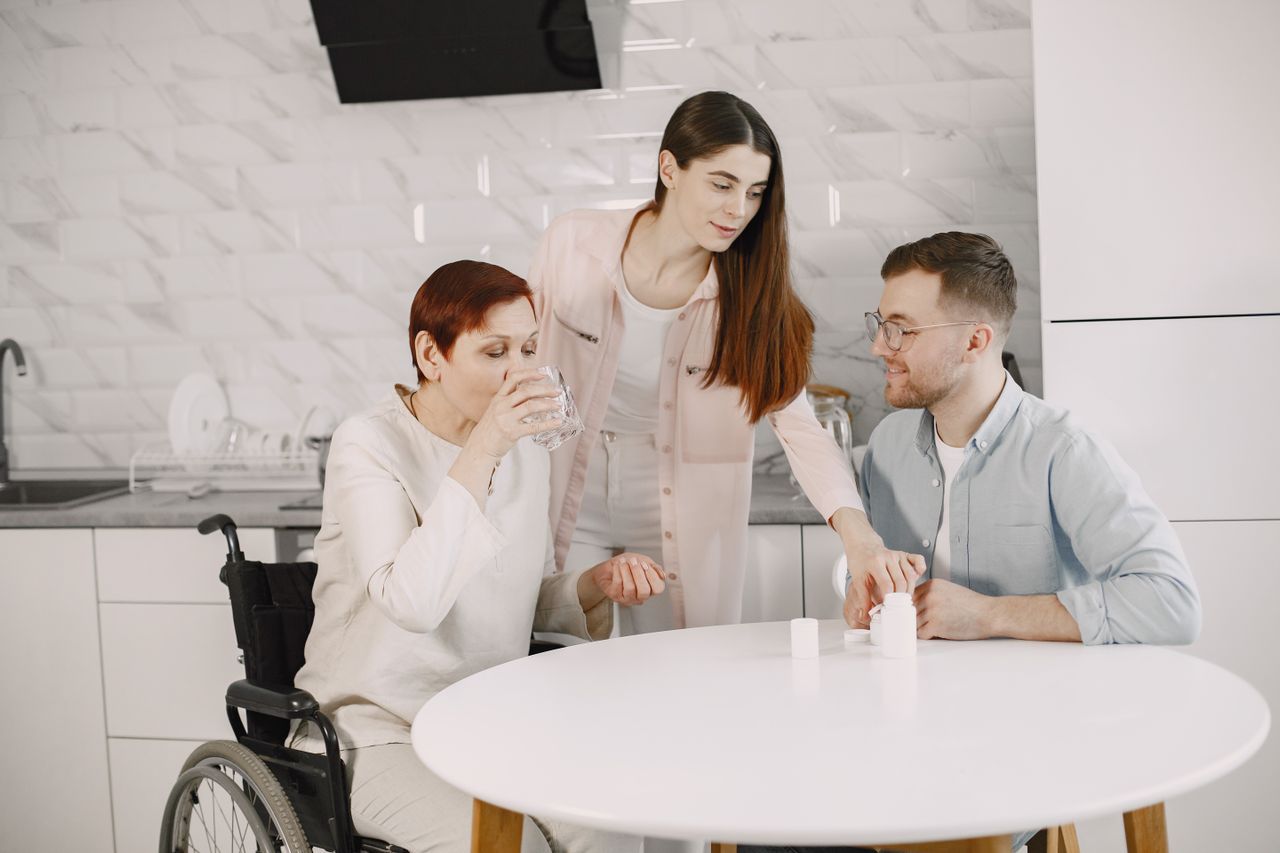
- Forgetfulness or mistakes with medications
- Feeling like you are never really present with anyone
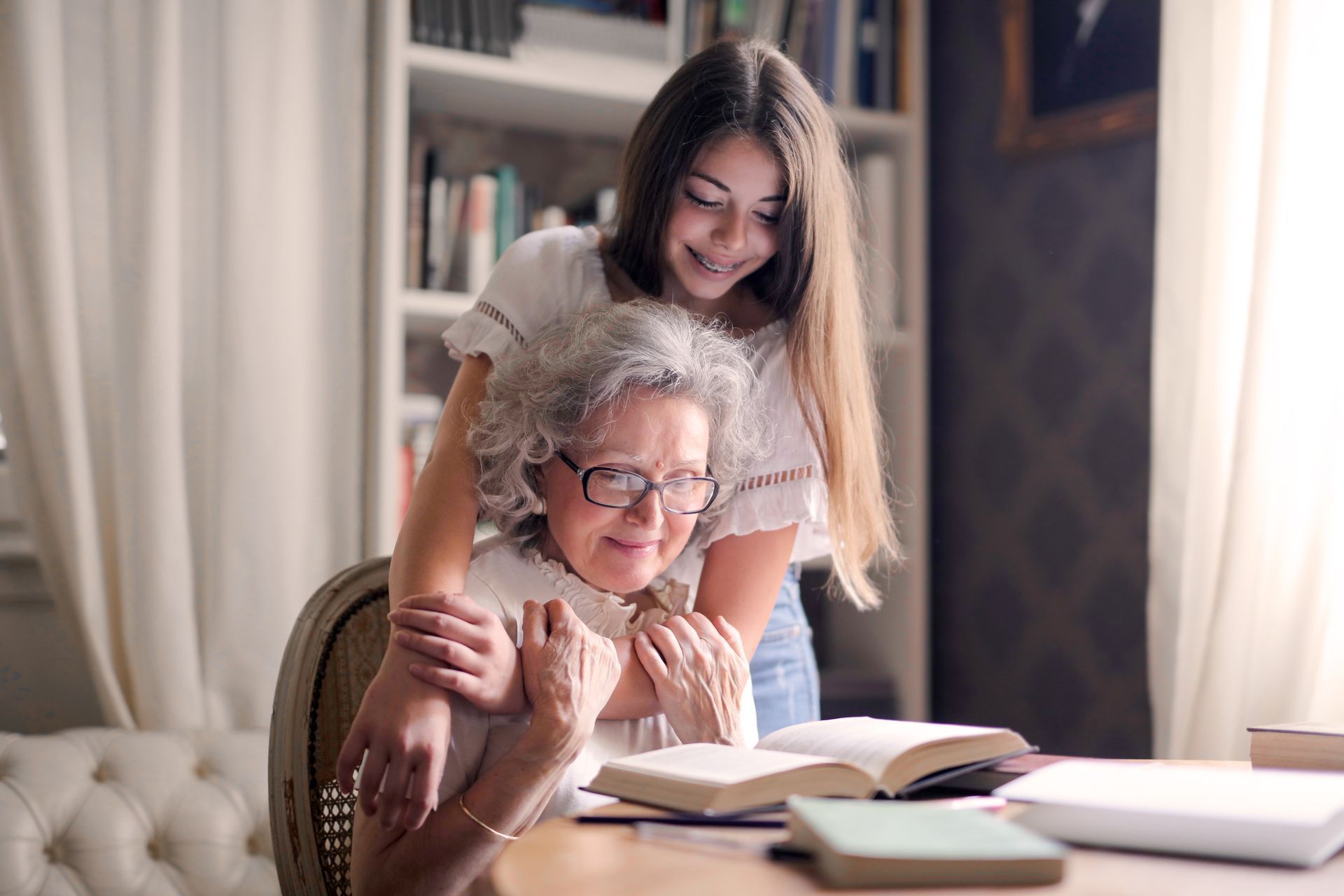
Sharing the load can make a meaningful difference. It helps to involve the whole family, and teens and older children can often contribute in simple, safe ways, such as:
- Playing cards or puzzles with kupuna
- Bringing water or a light snack
- Sitting nearby while an adult cooks or cleans
- Helping set up a shady, comfortable spot for kupuna during family gatherings
Clear expectations are important so keiki feel helpful but not overwhelmed. A little help from everyone can ease the load on the main caregiver.
How Adult Day Care and Respite Care in Oahu Can Help
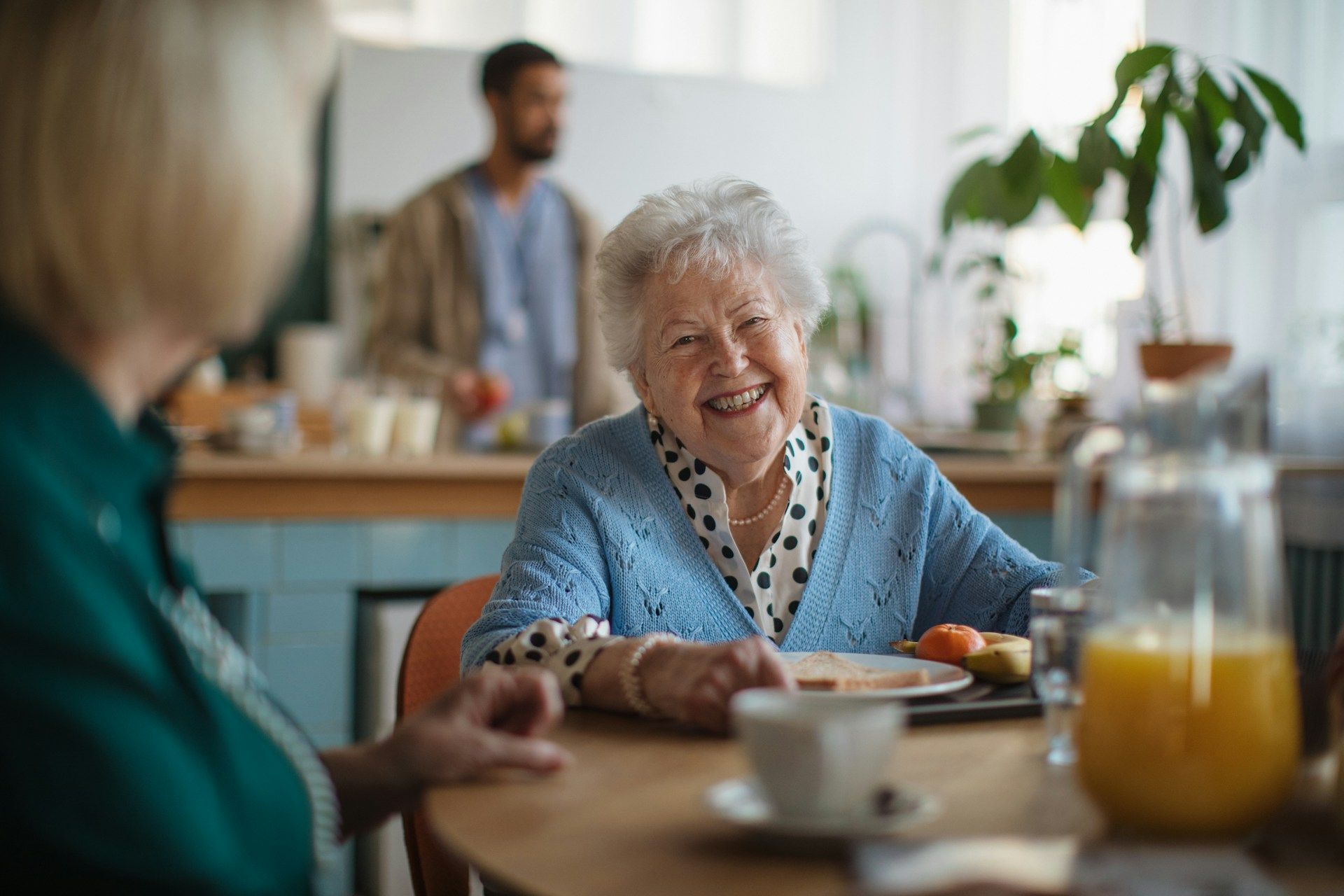
Adult day care can be a steady anchor in a shifting summer schedule. At a center, kupuna receive daytime support in a safe, structured setting while family members work, run errands, or manage keiki activities. Programs like ours at Hale Hau’oli Hawai’i focus on positive aging and meaningful engagement, which can include social time, gentle activities, and supervised care.
Respite care in Oahu can also be used in flexible ways. Families often find it helpful when:
- Keiki have all-day activities or sports
- Relatives visit and the home is extra busy
- Caregivers want a break or need time with younger children
- Short day trips or staycations are planned
Knowing your kupuna is in a professional, culturally sensitive space brings peace of mind. Many families choose to increase adult day care days during summer, then shift back when school starts. This flexible support can help everyone feel safer and more relaxed.
Planning Travel and Staycations When Kupuna Need Care
When you think about trips, start by asking what kind of plans are realistic for your kupuna. Some kupuna enjoy going along for short, local staycations, while others may find long rides, new environments, or crowded events confusing or tiring. Consider:
- Mobility and ability to walk on uneven ground
- Dementia or memory changes
- Incontinence or special bathroom needs
- How they react to changes in routine
If kupuna will travel with you, make a safety-centered plan. Helpful steps include:
- Choosing early-morning outings to avoid the hottest part of the day
- Planning frequent rest breaks with shade and seating
- Packing medications, a written list of doses, and emergency contacts
- Keeping important documents in one easy-to-grab bag
If your kupuna will stay on Oahu while others travel, adult day programs and respite care in Oahu can keep their days steady. Let day care staff know your travel dates and any changes your loved one might feel while family is away, such as sadness or extra worry. Consistent support can make that time feel less lonely and more reassuring for your kupuna.
Building a Summer Support Team You Can Rely On
No one should have to manage summer caregiving alone, and local resources can make a big difference. Families can look into:
- Adult day care centers for daytime care and meaningful activities
- Caregiver education and support groups for guidance and encouragement
- Senior centers and kupuna programs for social connection
- Faith-based or community volunteers for friendly visits
Before summer gets busy, we also suggest a check-in with your kupuna’s doctor so you’re planning around any current health concerns. From there, create a simple care plan that can be shared with:
- Adult day care staff
- Close relatives
- Trusted neighbors
Include medications, routines, safety concerns, and comforting habits, like favorite music or calming phrases. This helps anyone who steps in to care for your kupuna in a consistent way.
It is also wise to set up backup and emergency plans ahead of time, rather than trying to figure things out during a stressful moment. Think ahead about what to do if:
- A main caregiver gets sick
- Travel or work schedules suddenly change
- Your kupuna has a health change or behavior shift
Having even one backup caregiver and a clear plan lowers stress for everyone. When you walk into summer with support, your whole ohana can enjoy more moments of rest, laughter, and connection.
Give Yourself Time To Recharge While Your Kupuna Is Supported
Caring for a loved one is meaningful, but you do not have to do it alone. At Hale Hau’oli Hawai’i, we provide trusted
respite care in Oahu so you can step away with confidence, knowing your kupuna is engaged, safe, and respected. If you are ready to explore support that fits your family’s needs, reach out through our
contact us page so we can talk about next steps together.