When Kupuna Caregiver Support on Oahu Makes Work-Life Balance Possible
Caring for a kupuna while working is a big responsibility. When you are also raising keiki, managing a career, and keeping a home running, it can feel like you are being pulled in every direction. Many O‘ahu families are in this same place and are looking for ways to keep everyone safe, loved, and supported without burning out.
This is where kupuna caregiver support in O‘ahu can make a real difference. With the right daytime care and caregiver resources, the daily grind can shift into a schedule that feels calmer and more sustainable. You can keep your job, your kupuna can stay engaged and cared for, and your whole family can find a healthier rhythm.
How Kupuna Caregiver Support on O‘ahu Restores Balance
A lot of working caregivers wake up early to help a kupuna bathe, get dressed, and eat breakfast before heading into traffic. Then they spend the workday checking their phone, worrying if their loved one is lonely, confused, or at risk of falling. By the time they get home, everyone is tired and stress is running high.
That kind of pressure can lead to:
- Constant fatigue and lack of sleep
- Guilt about not being “there” enough for anyone
- Stress about leaving a kupuna home alone
- Tension with partners, keiki, and co-workers
Kupuna caregiver support in O‘ahu can change this story. Adult day services and caregiver programs turn long, anxious days into planned, supported ones. Instead of trying to manage everything alone, caregivers share the load with trained staff who understand aging, memory loss, and the realities of island life like traffic, multi-generational homes, and high living costs.
The Hidden Cost of Caring for Kupuna While Working
Unpaid caregiving often starts slowly, then grows into something much bigger. At first it might be a few errands or doctor visits. Over time, it can mean taking calls during meetings, leaving work early, or saying no to new projects because your kupuna needs you.
This can affect your work by:
- Cutting back hours or turning down overtime
- Missing chances for raises or promotions
- Being absent more often because of caregiving needs
- Stepping out of the workforce for a while
The emotional load is heavy too. Caregivers may feel worried all day about safety. They might feel alone, especially when friends and co-workers do not fully understand what it is like to care for a kupuna with health or memory challenges. As spring and early summer shift family routines, it can be even harder to keep up when keiki are out of school or travel plans come up.
Trying to “patch together” care with different relatives, neighbors, or sitters can also be stressful. When support is unstructured or unreliable, caregivers are never fully off duty in their minds. It is important to say this clearly: choosing structured kupuna caregiver support is not a sign of failing your family. It is a thoughtful way to protect your kupuna, your job, and your own health.
How Adult Day Services Make Workdays Feel Possible Again
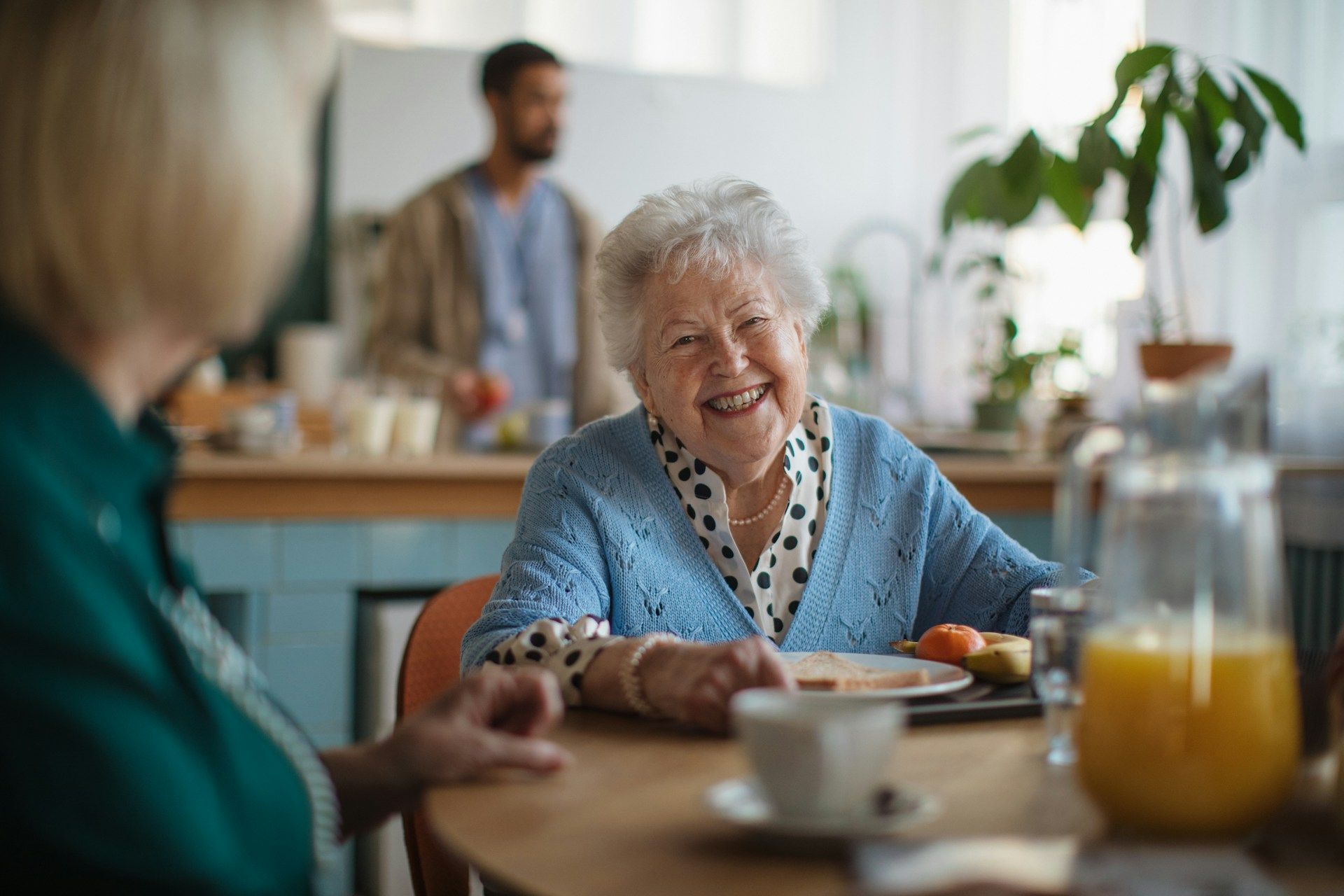
Adult day services give caregivers a safe, consistent place for kupuna to spend the day while they work. A typical day at a senior adult day center includes:
- Kind supervision and help with basic needs
- Social time with peers, games, and group activities
- Gentle exercise and movement
- Music, arts, and cultural programs
- Nutritious meals and snacks
These weekday hours usually line up with regular work schedules, which helps in very practical ways. Caregivers can commute without rushing, attend meetings without constant worry, and, when needed, stay late at work knowing their kupuna is still in good hands.
The benefits for kupuna are just as important. Regular adult day services can support:
- Less loneliness and more friendships
- Better mood from being active and included
- Mental stimulation through conversation and activities
- A sense of independence and dignity
When kupuna are engaged and cared for during the day, caregivers often feel calmer and more focused at work. Evenings at home can shift from stress and scrambling into time for connection, rest, and family traditions.
Community Education and Support That Ease Caregiver Stress
Daytime care is only one part of kupuna caregiver support in O‘ahu. Education and emotional support for caregivers matter just as much. Many family caregivers are suddenly dealing with dementia, changes in behavior, or increased fall risks, and they feel unprepared.
Helpful caregiver education often covers:
- What to expect with memory loss and aging
- How to prevent falls and injuries at home
- Ways to communicate when words become harder
- Simple approaches to common behavior changes
Support groups, workshops, and one-on-one guidance give caregivers a space to ask hard questions, share worries, and learn from others walking a similar path. There is comfort in hearing “me too” from people who truly understand.
Spring and early summer can be a good time to reset routines, learn new skills, and prepare for schedule shifts. As keiki finish the school year and family visits or trips are planned, having stronger caregiving tools in place can make everything feel more manageable. Kupuna caregiver support in O‘ahu is about caring for seniors, but it is also about giving family caregivers knowledge, confidence, and a sense of community.
Making Kupuna Caregiver Support on O‘ahu Affordable
Many families worry about how to fit adult day services into their lives. Common questions include: How will we get our kupuna to and from the center? Will it fit our budget? What if our schedule changes from week to week?
While every family’s situation is different, there are often options to explore, such as:
- State and county programs that may help pay for respite
- Sliding-scale or income-based fees in some programs
- Possible help from long-term care insurance or veteran benefits
- Different attendance plans, from a few days a week to more regular care
Starting with part-time days can make the change feel gentler for both kupuna and caregivers. It also lets families see how the routine works with their work schedule, school pickups, and other daily tasks.
Planning ahead in spring can be especially helpful. It gives families time to learn about programs, complete any needed paperwork, and set up transportation and schedules before summer vacations, family gatherings, and busy holiday periods start filling the calendar.
Your Next Step to a Healthier Balance for You and Your Kupuna
This is a good moment to pause and take an honest look at how you are doing. Are you exhausted most days? Is your kupuna spending long hours alone at home? Do you feel like your work, your health, or your family time is slipping away?
Adult day services, caregiver education, and support programs can help bring things back into balance. At Hale Hau’oli Hawai’i on O‘ahu, we focus on positive aging, safe and engaging daytime care, and real support for the family members who give so much every day. With thoughtful kupuna caregiver support in O‘ahu, it is possible to protect your career, care for your kupuna with aloha, and still have time and energy left for yourself and the people you love.
Get Personalized Support For Your Caregiving Journey
If you are feeling overwhelmed balancing daily life and caring for a loved one, we are here to help with compassionate, practical guidance. At Hale Hau’oli Hawai’i, our team works alongside you to create a plan that supports both your kupuna and your own well-being. Learn more about how our
kupuna caregiver support in Oahu can lighten your load and give you peace of mind. If you are ready to talk with our team, please
contact us today.