Recognizing When Kupuna Need More Than Family Care Alone
When Love Is Not Enough: Knowing When to Get Help
Caring for kupuna at home is one of the deepest acts of aloha a family can give. Still, there comes a point when love by itself is not enough to keep someone safe, healthy, and engaged. Many families on Oahu start to notice this after the busy holiday season, as life settles down and small changes in their kupuna stand out more.
You might see more forgetfulness, more unsteadiness, or a quieter mood as spring routines begin. That can bring up a lot of mixed feelings. Respect for caring at home, worry about safety, and guilt about even thinking of outside help can all show up at the same time. We want you to know that needing more than family care is not failure. It is actually a sign of love, wisdom, and planning ahead.
Adult day care and caregiver support are like bridges. They help kupuna stay at home longer, while giving families the backup they need. We will talk about warning signs to watch for, how caregiver stress can sneak up on you, how adult day care works, and what families on Oahu can do to explore kupuna caregiver support in Oahu before a crisis hits.
Subtle Signs Your Kupuna Needs Extra Support
Changes often start small. Kupuna might still say, “I am fine,” but daily life tells a different story.
Watch for shifts in daily routines like:
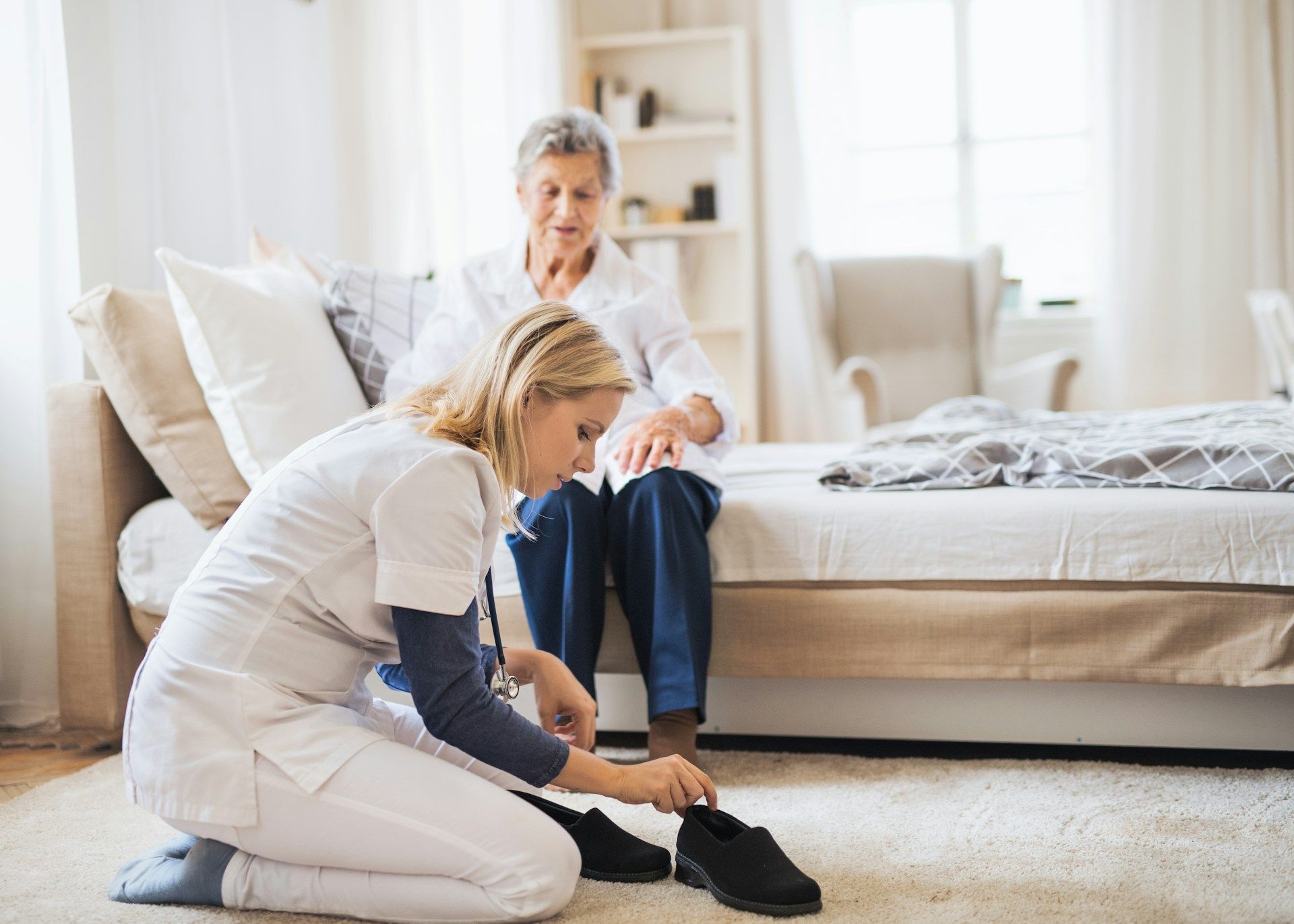
- Trouble with bathing, dressing, toileting, or making simple meals
- Clothes worn for many days in a row or not quite clean
- Spoiled food in the fridge or a kitchen that no longer feels tidy or safe
- Confusion about medication times or running out of prescriptions often
These small details can be easy to miss when everyone is busy with school, work, and family activities. Over time, though, they add up to real safety concerns.
You might also see shifts in mood, memory, and behavior such as:
- Repeating questions or stories many times in a short period
- Getting lost, even in familiar areas, or wandering during the day
- Pulling back from family gatherings or favorite hobbies
- Acting more irritable, anxious, or simply “not like themselves”
After the holidays end and family visits slow down, feelings of loneliness and isolation can grow. Kupuna who were smiling and active in December may seem quiet and withdrawn by spring.
Safety concerns often become the turning point. Red flags include:
- More frequent falls or near-falls, or new fear of walking alone
- Leaving the stove on or doors unlocked at night
- Family members feeling scared to leave kupuna home alone, even for a short time
When these worries start to keep you up at night, it may be time to look at extra support.
When Caregiving Starts to Overwhelm Family Members
Caregivers often put their own needs last. They think, “If I just try harder, I can manage.” Over time, this can take a big toll on the mind and body.
Common signs of caregiver strain include:
- Constant tiredness, even after sleep
- Getting sick more often or having headaches and body aches
- Feeling easily irritated or snapping at others
- Dreading caregiving tasks, even while still feeling deep love and duty
Balancing work, children, and caregiving is heavy. Work performance can drop. Home relationships can feel tense. People may start arguing about who helps, who pays, or what to do next.
You might also see:
- One main caregiver, often an adult child or spouse, feeling alone or stuck
- Cultural expectations to “do it all at home” bumping into complex needs like dementia care, incontinence, or frequent medical visits
- Siblings disagreeing about long-term plans or who should take time off work
There are red flags for caregivers too:
- Skipping your own medical appointments, hobbies, or social time
- Feeling trapped, helpless, or unsure how long you can keep this up
- Thinking support is “only for later” or “only if things get really bad”
Recognizing these signs and seeking kupuna caregiver support in Oahu is a healthy step. It protects both the kupuna and the caregiver from burnout and crisis.
How Adult Day Care Strengthens Kupuna and Their Families
Adult day care is often misunderstood. Some people think it means giving up their role. In reality, it is a partnership that supports the whole family.
Adult day care typically offers:
- Safe, supervised daytime care
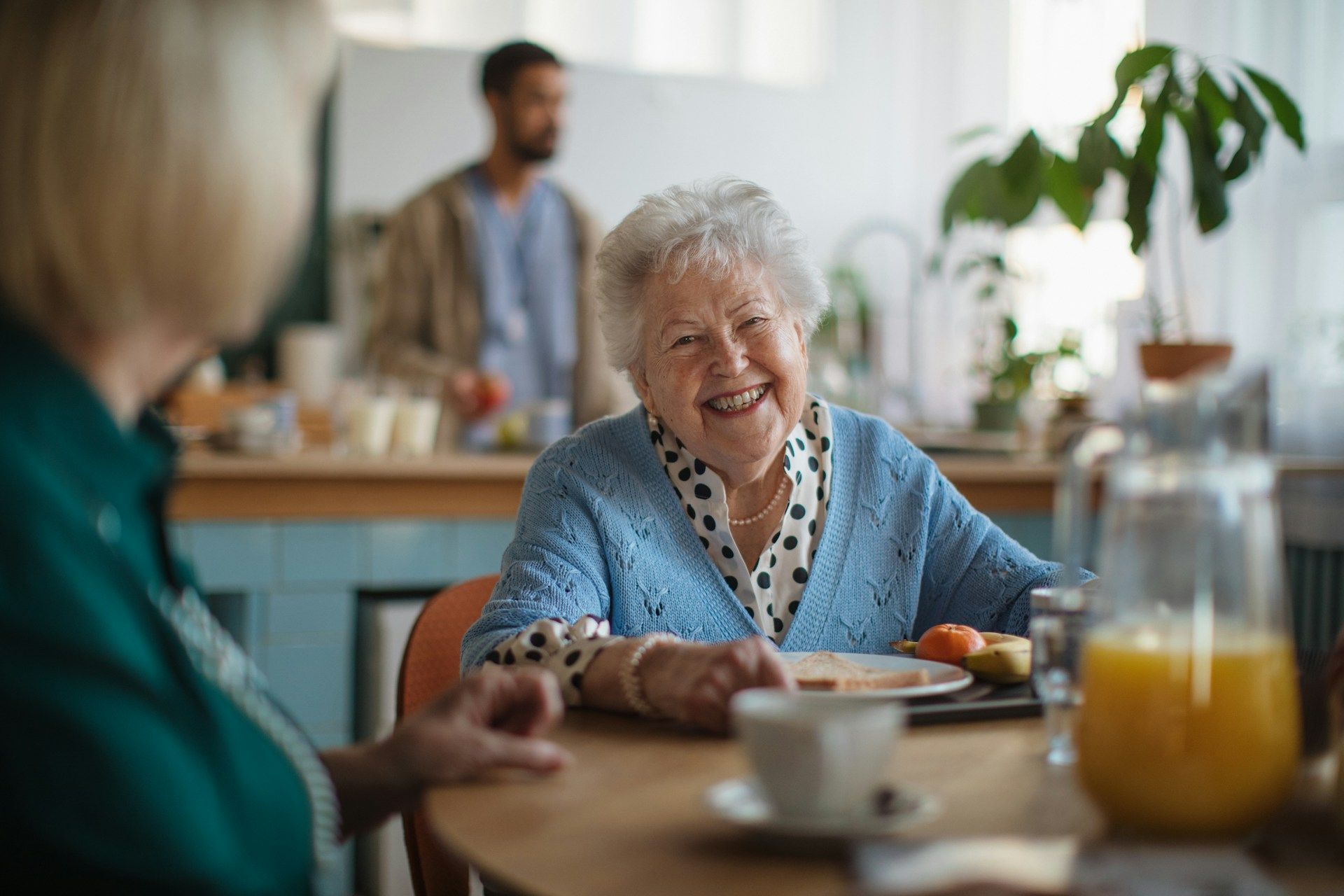
- Activities that support memory, movement, and social connection
- Nutritious meals and snacks
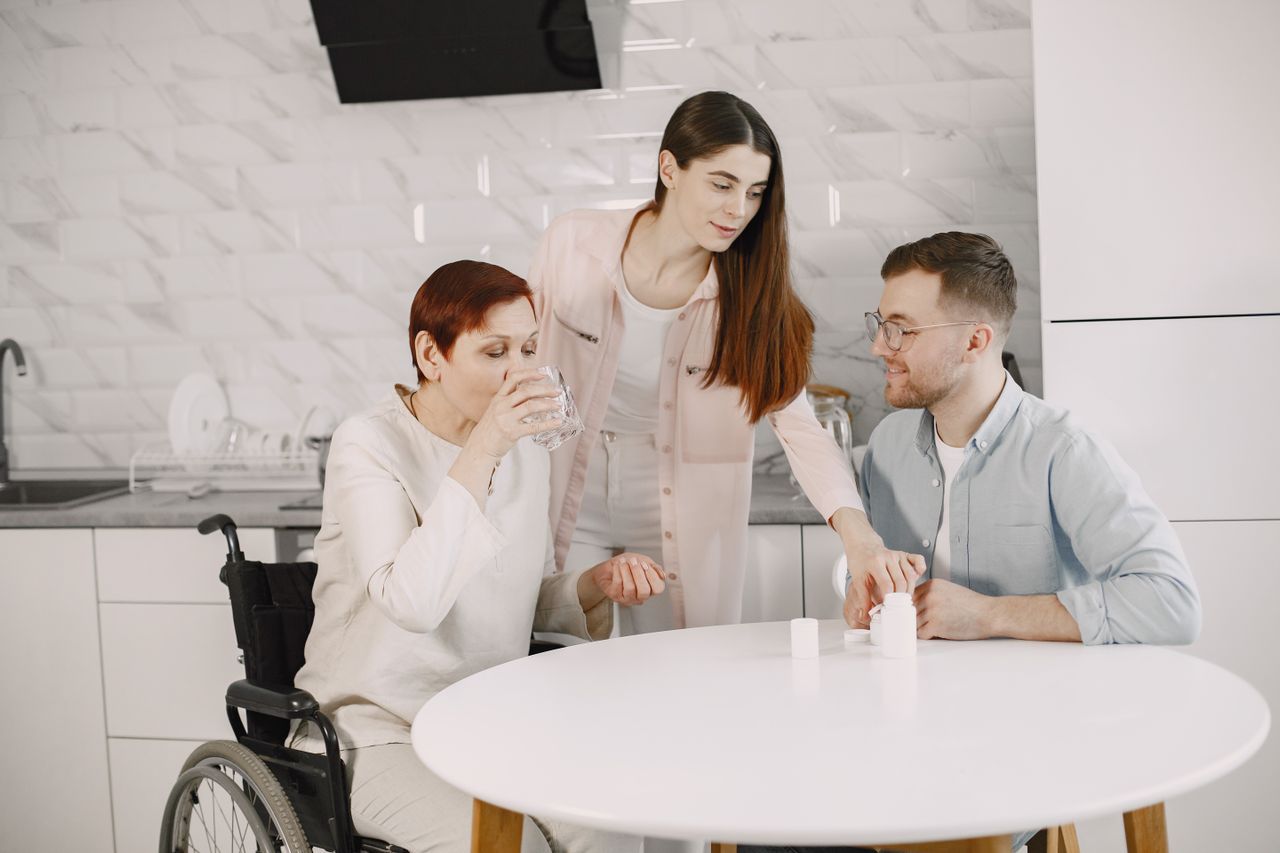
- Medication reminders and help with personal care, given with respect and dignity
The structure of the day can help kupuna feel calmer and more settled. Routines, friendly faces, and familiar activities can make a big difference.
Benefits for kupuna include:
- Time with peers, which can ease loneliness
- Music, crafts, gentle exercise, and cultural activities that honor their identity and history
- Cognitive stimulation that can support mood and help slow decline for those living with memory loss
- Reduced risk of falls or accidents during the day while family is at work or school
Families benefit too:
- Regular time to work, rest, or handle errands
- Peace of mind that trained staff are watching for changes in health or behavior
- A flexible support layer that often helps kupuna stay at home longer, rather than moving quickly to full-time residential care
Instead of replacing family care, adult day services add strength to it.
Finding Kupuna Caregiver Support in Oahu That Fits Your Ohana
Support can look different for each family. On Oahu, many options can work together over time.
Common resources include:
- Adult day care centers
- Caregiver education workshops
- Support groups
- Community programs focused on seniors and family caregivers
In-home care focuses on support in the home. Adult day care supports kupuna during set daytime hours in a community setting. Residential care provides full-time housing and care. Families often use a mix of these, adding more support as needs grow.
Organizations like Hale Hau’oli Hawai’i focus on both daytime care and caregiver education, which can be a strong base of kupuna caregiver support in Oahu.
When you explore adult day care, helpful questions include:
- What is the staff-to-participant ratio and training, especially with dementia or complex medical needs?
- What does a typical day look like? How are activities, meals, rest, and cultural or language needs handled?
- How do they respond to emergencies, and how do they keep families informed?
To plan a smooth transition, you can:
- Talk with kupuna about the social side, like friends, activities, and safety
- Start with one or two days a week, then adjust as everyone feels more comfortable
- Involve the whole family, so decisions are shared and the kupuna’s voice is heard
A thoughtful start can make the change feel less scary and more like an expansion of care, not a loss.
Taking the Next Step to Support Your Kupuna and Yourself
Spring is a natural time to pause and look at how things are going. The busy winter months are behind us, school and work schedules are clearer, and families can better see what is working and what is not.
Planning ahead helps reduce emergency room visits, caregiver breakdown, and rushed decisions about long-term care. Asking for help is an expression of aloha and respect, not a sign that family care has failed. By blending family love, adult day services, and community resources, kupuna can age with dignity, safety, and joy, and caregivers can feel supported instead of alone.
Find Trusted Support For Your Kupuna Caregiving Journey
If you are feeling overwhelmed or unsure of the next step, we invite you to explore our dedicated services for
kupuna caregiver support in Oahu. At Hale Hau’oli Hawai’i, we walk alongside you so your kupuna can stay safe, engaged, and cared for while you find balance in your own life. Reach out to us with your questions or to talk through your situation by using our
contact us page today.