How to Talk With Your Kupuna About Starting Elderly Day Care on Oahu
Talking with your kupuna about starting elderly day care in Oahu can feel hard, emotional, and even a little scary. You may worry they will think you are giving up on them or trying to take away their independence. At the same time, you might be tired, stressed, and unsure how to keep them safe and happy all week long. That is a lot for any family to carry.
We want to help make that conversation calmer and more loving. We will walk through how to talk with respect, how to listen for hidden fears, and how to introduce adult day care as a positive part of your kupuna’s routine. With some planning and patience, it can feel less like a fight and more like a shared family decision.
Start the Conversation with Care and Confidence
Before we talk about schedules or programs, we have to honor the feelings involved. For many kupuna, the idea of elderly day care in Oahu can bring up worries about losing control, being “put away,” or becoming a burden on the family. If we skip past those emotions, they may shut down or push back even harder.
Try starting with empathy and honesty. You might say you notice it is getting harder to keep up with everything, and you want to make sure both of you stay healthy. Then, frame adult day care as extra support, not surrender.
You can gently highlight that:
- Day care adds more joy and company to their week
- It gives you a break so you can keep caring with patience and love
- It can help them stay at home and in the community longer
Connect this idea to local values they already care about. Many kupuna have a deep love for ʻohana, church, and their community. They want to stay close to familiar beaches, parks, and shops. Adult day care can be a way to keep them on Oahu, near family and favorite places, while still getting more care and social time.
Understand Your Kupuna’s Fears Before You Suggest Solutions
It is tempting to jump right into “Here is the plan,” but the better first step is to listen. Your kupuna may not say their fears directly, so gentle questions can help bring them out into the open.
You might ask:
- What worries you most about getting more help?
- What do you picture when you hear “adult day care”?
- What would make you feel more comfortable during the day?
As they talk, repeat back some of what you hear, in your own words. This shows you are taking them seriously, not just waiting for your turn to talk. If they say they are afraid of being sent away, explain clearly that adult day care is not a care home. It is a place they go for the day, then they come home in the afternoon or evening, just like someone going to work or to a club.
It can also help to connect the program to their identity. If they are a retired teacher, talk about activities where they can share wisdom or help others. If they are a veteran, church member, or a kupuna who loves hula and music, mention how programs can honor their background and keep them engaged in ways that feel familiar and respectful.
Present Elderly Day Care in Oahu as a Positive New Routine
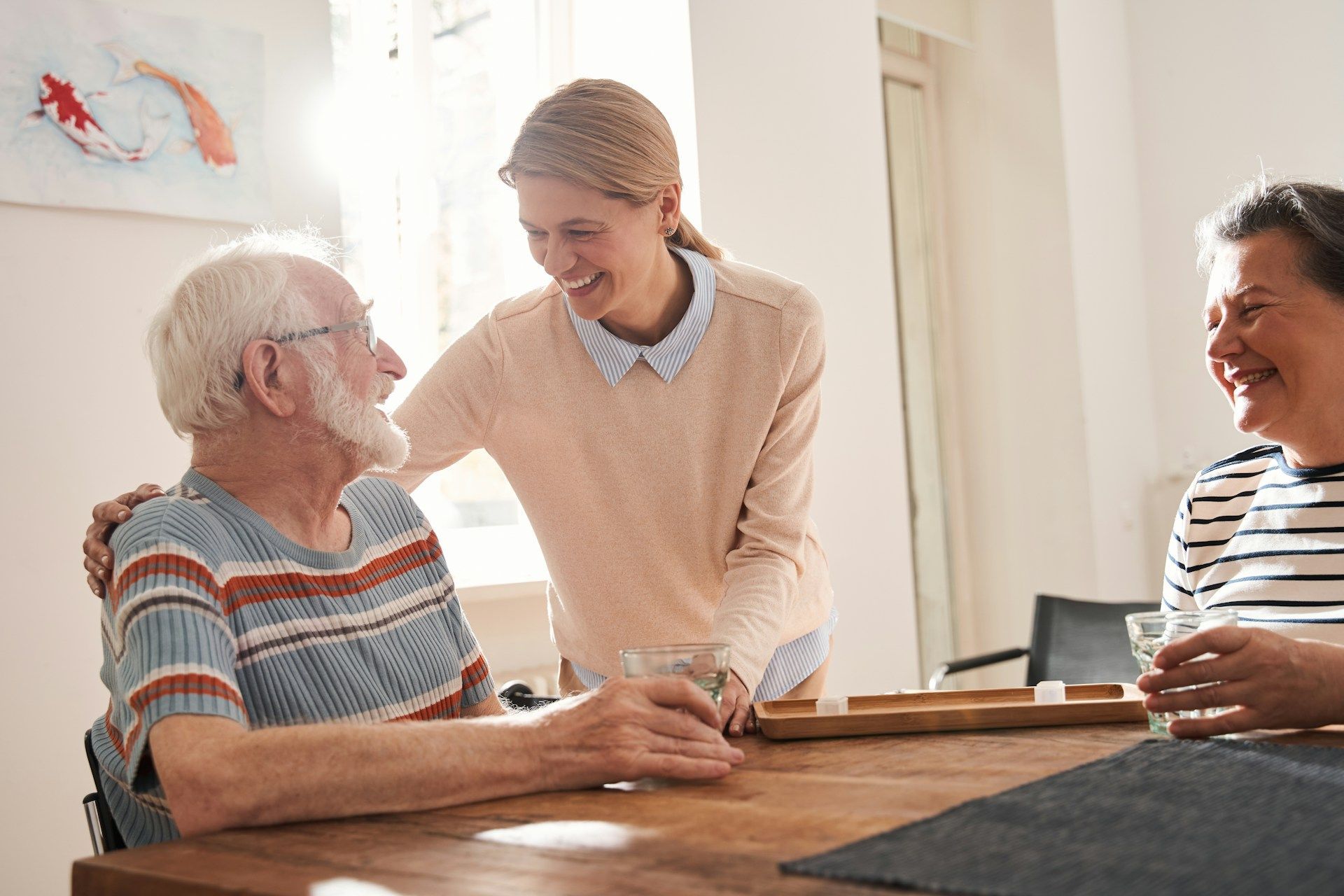
Next, try to paint a clear picture of what a day at an adult day center might look like. Sometimes kupuna resist because it feels unknown or “too medical.” When we make it concrete, it can feel more like a club or community center.
You can describe things like:
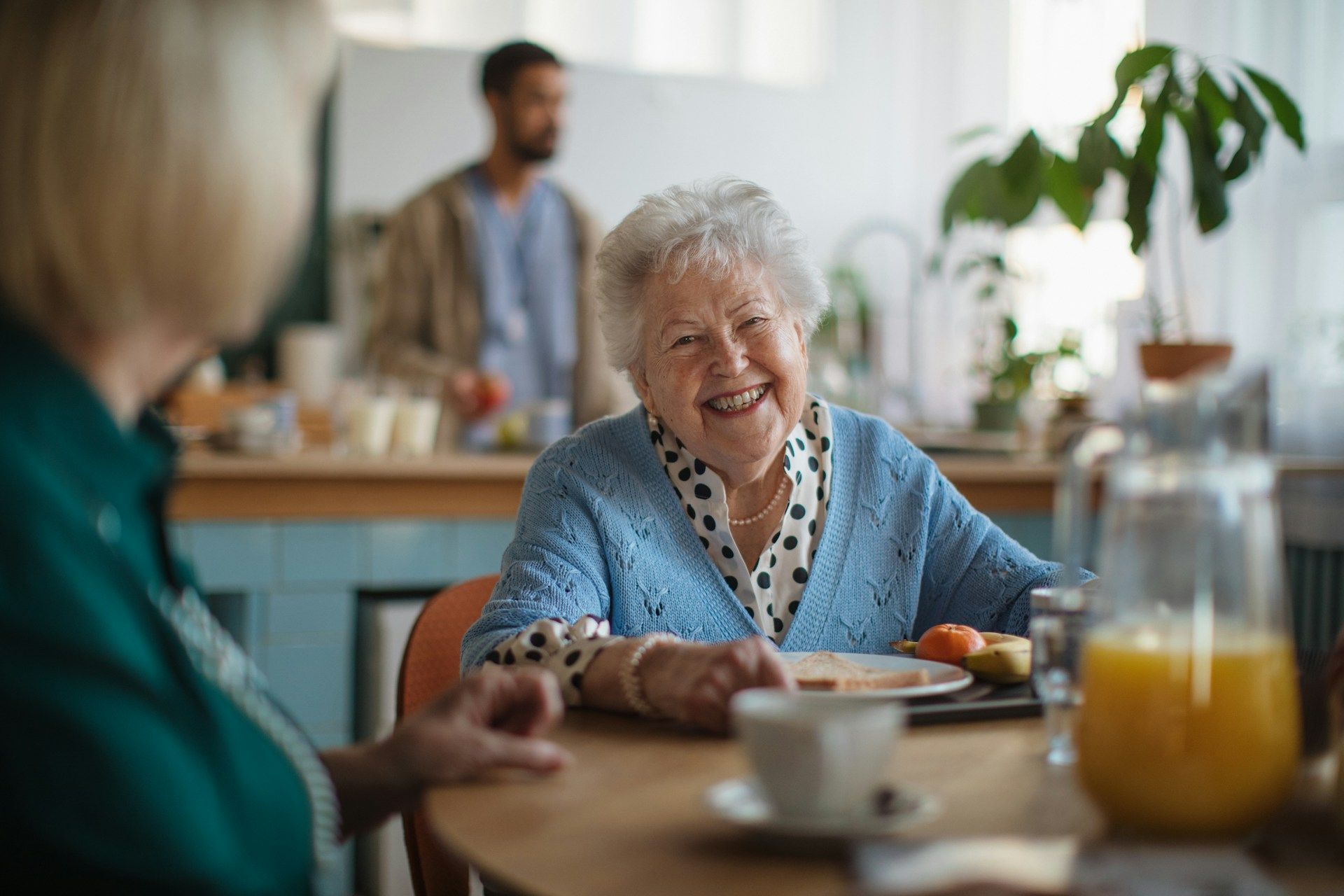
- Shared meals and snacks
- Gentle exercise or stretching
- Music, arts, and simple games
- Cultural and social activities
- Quiet times to rest or relax
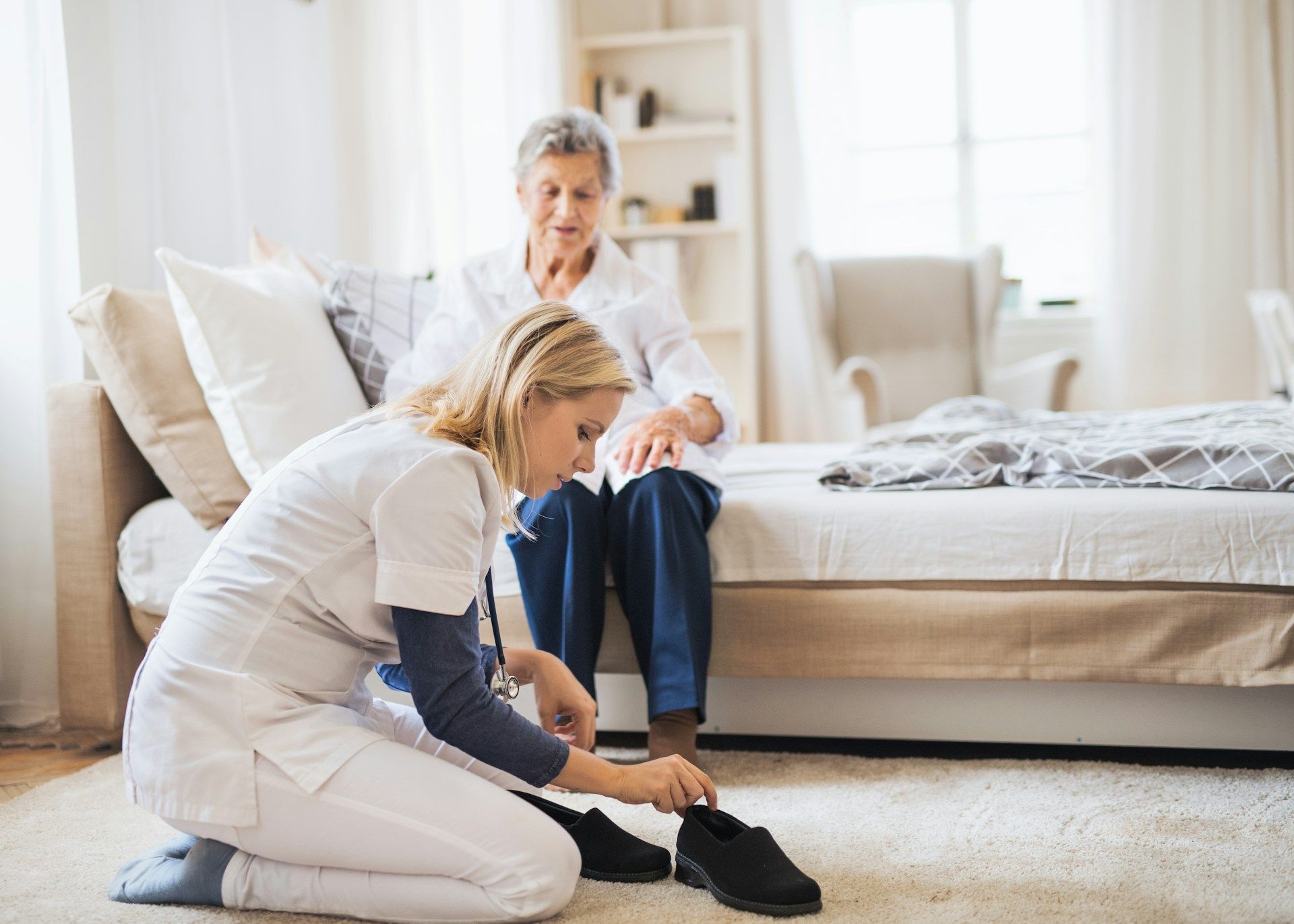
Connect these pieces to your kupuna’s real challenges. If they feel lonely, talk about the chance to have friends to talk story with. If they have trouble remembering medications, mention staff who can help with reminders. If you worry about falls at home, explain that a center can give them safe spaces to move around and stay active.
On Oahu, many adult day programs also include local touches, like Hawaiian values, local foods when possible, and activities that focus on community. This can help it feel like an extension of home rather than a clinic. Share that you want them in a place where people understand island life and respect kupuna.
Use Gentle Communication Strategies to Reduce Resistance
How you talk can matter as much as what you say. Try to choose a time when your kupuna is rested and not rushed, maybe after breakfast or after a calm afternoon. Pick a quiet, familiar place where they feel comfortable and not “on the spot.”
A few simple communication shifts can lower the tension:
- Use “we” instead of “you,” like “We could use more support”
- Avoid blaming phrases like “You can’t do this anymore”
- Keep your tone calm and steady, even if they get upset
- Take breaks if the conversation feels too heated
Offer choices whenever you can. Instead of saying, “You have to go three days a week,” you can ask, “Would you feel better starting with one day or two days?” Talk about different activities they might enjoy and which days fit best with their routine. When kupuna feel they still have control, they are more likely to try something new.
Involve Family and Professionals as Allies, Not Enforcers
Before bringing it up with your kupuna, it helps to talk with siblings, adult children, or other close ʻohana. Agree on a calm, respectful message so they are not hearing different stories from different people. That unity can feel comforting instead of overwhelming.
You can also ask if they would like a trusted voice involved, such as:
- Their primary care provider
- A pastor or faith leader
- A long-time friend or neighbor
Sometimes hearing that elderly day care in Oahu can support their health and spirits, from someone they already trust, makes a big difference. If they are open to it, a friendly visit to a center can also help. A no-pressure tour, where they can walk around, meet staff, watch activities, and maybe share lunch, can replace fear with real images of smiling faces and relaxed spaces.
Turn a Trial Visit Into a Comfortable New Habit
Big changes can feel scary, but small steps feel easier. You can suggest a short trial period, maybe one day a week for a few weeks. Praise their courage for just trying it, instead of pushing for a long commitment right away.
After each visit, keep the tone light and curious. Instead of “Did you like it?” which can feel like a test, try questions like:
- Who did you talk with today?
- What activity felt the most fun or interesting?
- How did you feel when you came home?
Listen carefully if they share any discomfort or worries, and let them know you will talk with the staff so things can be adjusted. As seasons on the calendar shift and family events come up, you can keep working with the center to tweak the schedule or focus on certain kinds of activities. Over time, many kupuna start to look forward to their days there, and it becomes a natural part of their week.
Taking the Next Step with Hale Hau’oli Hawai’i
At Hale Hau’oli Hawai’i, we understand how personal these conversations are for families on Oahu. Our goal is to support positive aging through senior adult day services, caregiver education, and community support, so kupuna can stay connected to ʻohana and island life. Choosing adult day care is not about stepping away from your kupuna; it is about building a circle of care around both of you.
When you feel ready, you can talk with our team to learn more about how elderly day care in Oahu works, what a day might look like for your kupuna, and what support is available for caregivers. Together, we can help you shape a gentle plan, so your kupuna can ease into a routine that brings safety, joy, and peace of mind for the whole family.
Help Your Loved One Stay Active, Safe, and Connected
Choosing care for an aging parent or family member is a big decision, and we are here to support you every step of the way. At Hale Hau’oli Hawai’i, our
elderly day care in Oahu offers engaging activities, social connection, and attentive support in a warm, island-style setting. If you are ready to explore whether our program is a good fit, reach out anytime through
contact us so we can talk about your family’s needs and schedule a visit. We look forward to partnering with you in caring for someone you love.