Elderly Day Care vs. In-Home Care on Oahu: Costs and Best-Fit Scenarios
Find the Right Care Fit for Your Kūpuna on Oʻahu
Choosing care for an aging loved one on Oʻahu can feel heavy. Many families are juggling work, school, traffic, and caring for kūpuna under one roof. It is easy to feel pulled in many directions at once. You want your loved one to be safe and happy, but you also need to protect your own health and schedule.
For a lot of families, the main choice comes down to elderly day care on Oʻahu or in-home care. Both can be kind, respectful options that honor local values and keep kūpuna close to family. We will walk through how each option works, what kind of schedules they fit, how they support our island lifestyle, and which setups tend to work best for different family situations, from part-time workers to those with long commutes or interisland relatives visiting during school breaks.
Understanding Elderly Day Care on Oʻahu
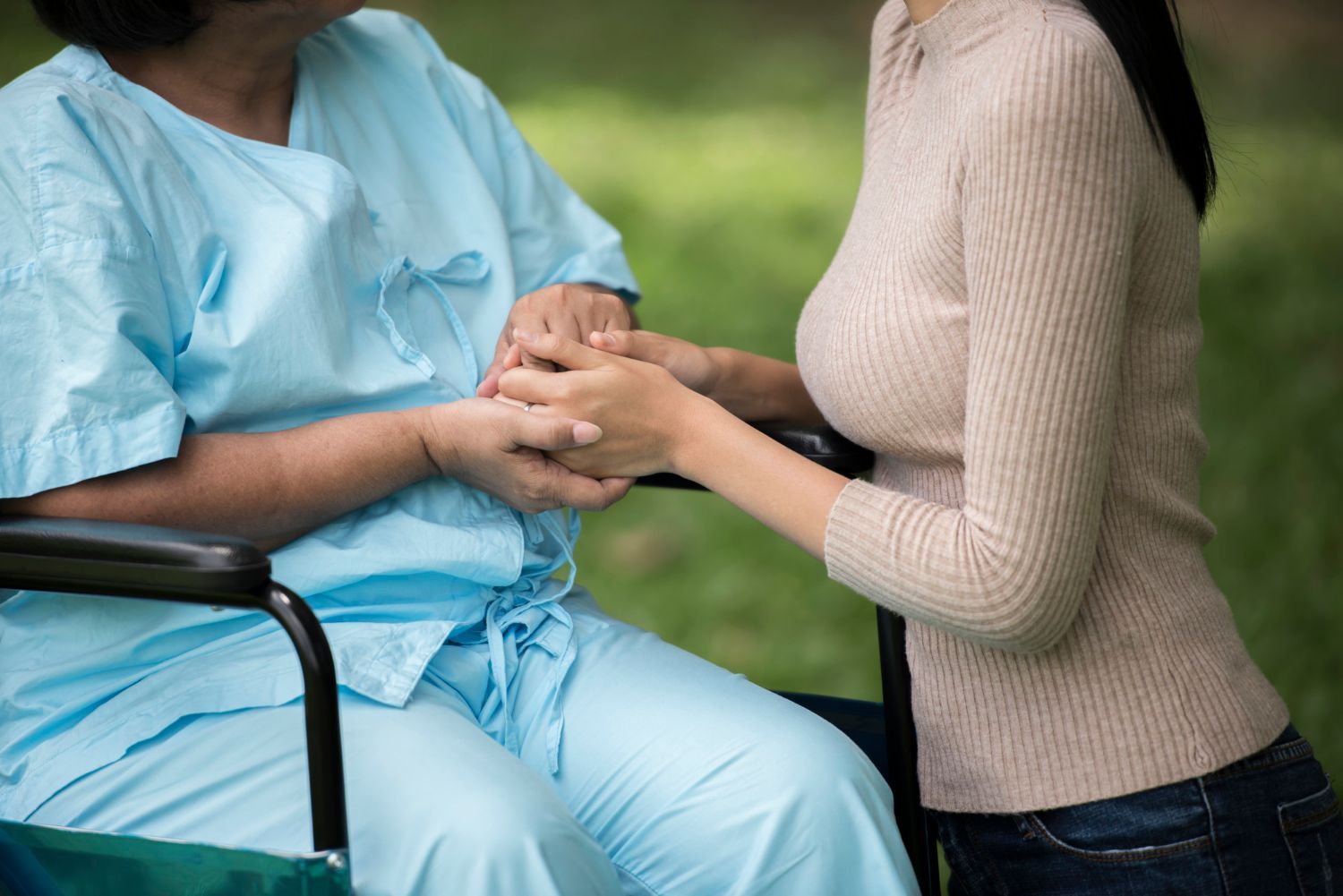
Adult day care is center-based care during the daytime. Kūpuna spend part of the day at a safe, supervised program, then return home to sleep in their own beds at night. On Oʻahu, this can be a good match for families who want help during work hours while keeping strong ties at home.
Programs like ours at Hale Hau’oli Hawai’i focus on positive aging and daily structure. A typical day may include:
- Social time and group conversation
- Cognitive activities such as memory games and simple problem-solving
- Gentle exercise or movement
- Personal care help, like toileting and grooming
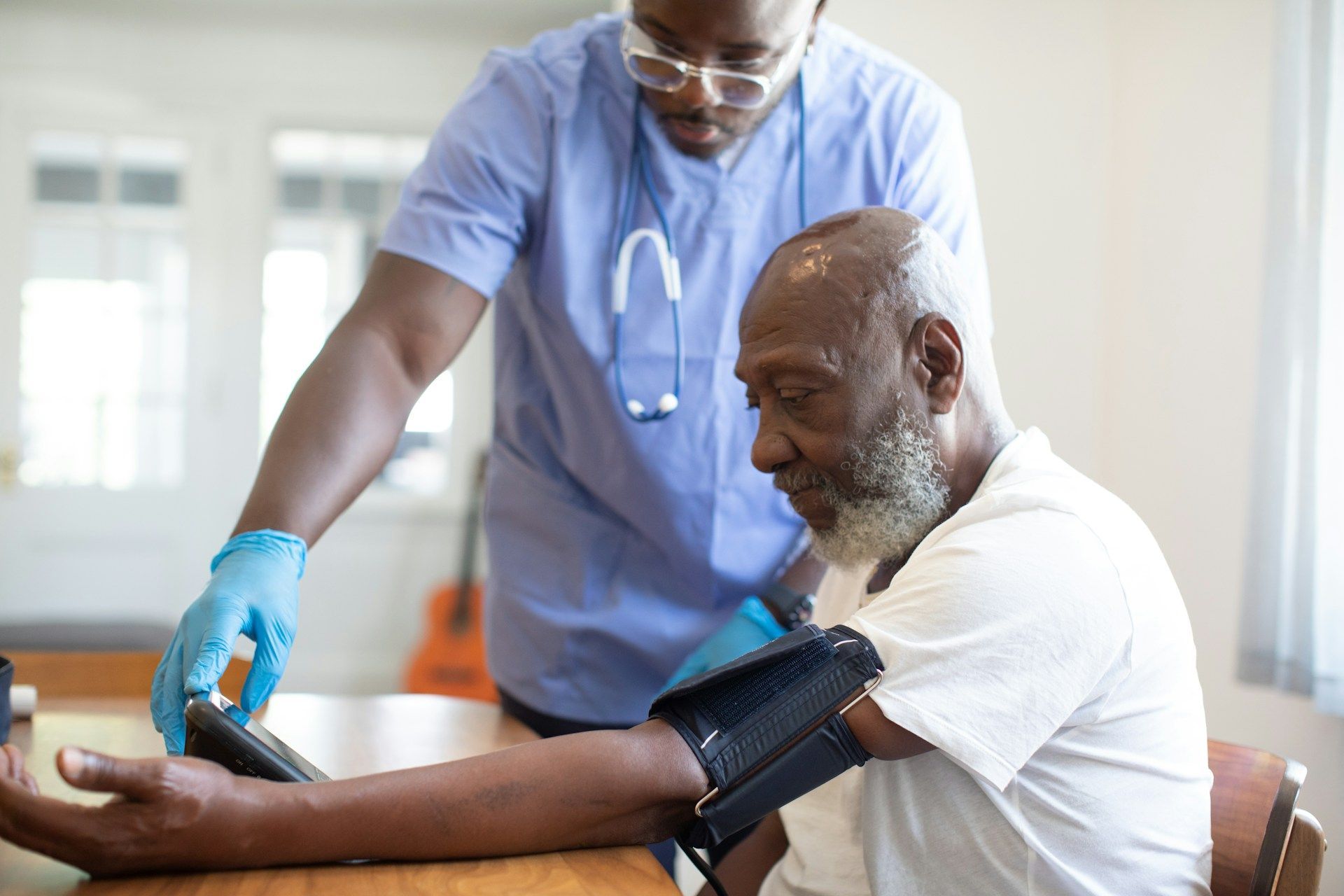
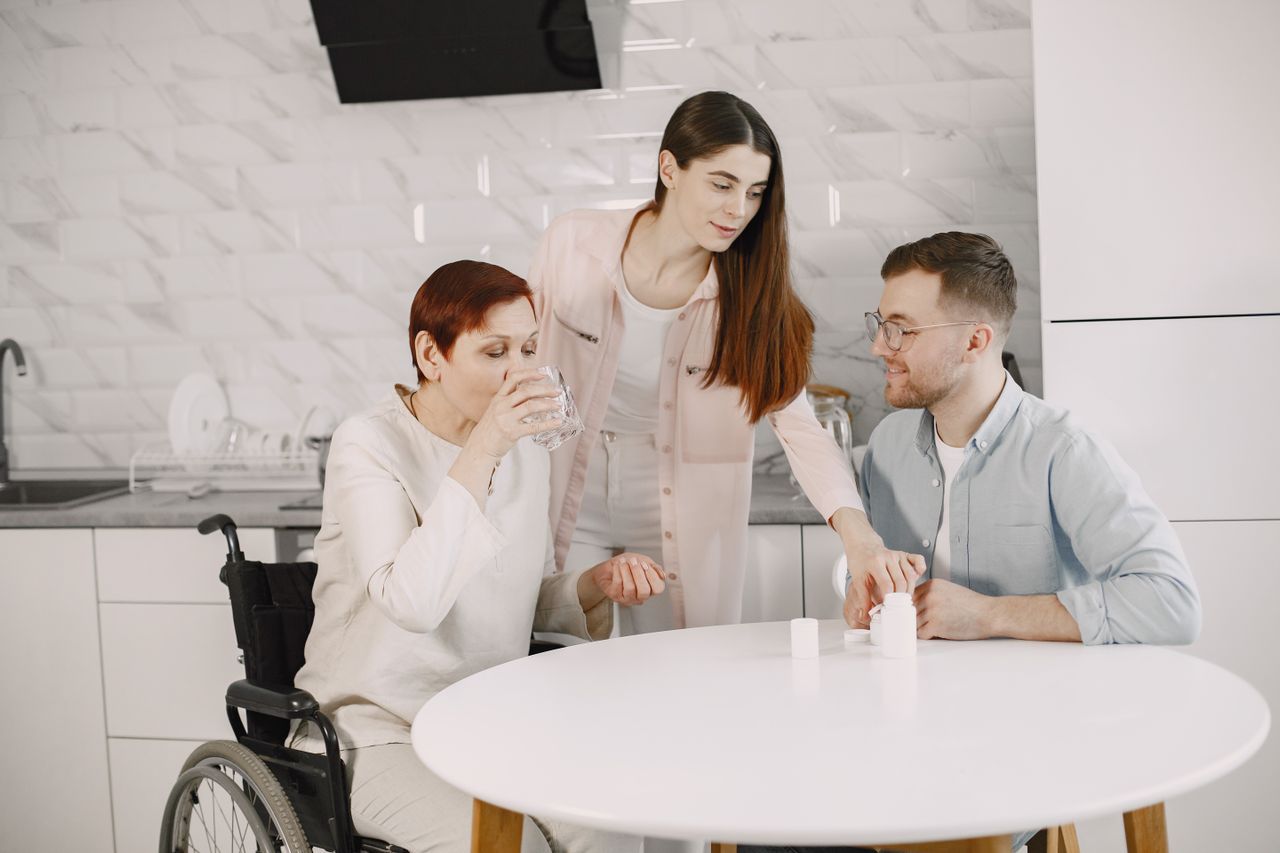
- Medication reminders and general health monitoring
Many centers also offer caregiver support and education, which can ease some of the stress for the family at home.
Adult day care often fits kūpuna who:
- Are generally safe in a group setting
- Benefit from routine and purpose in their day
- Enjoy music, local foods, and activities with peers
- Need some supervision, but not constant one-on-one care
Caregivers who work regular daytime hours, go to school, or manage busy morning and afternoon schedules often find that day care gives them reliable respite while still keeping their loved one close.
What in-Home Care Really Provides
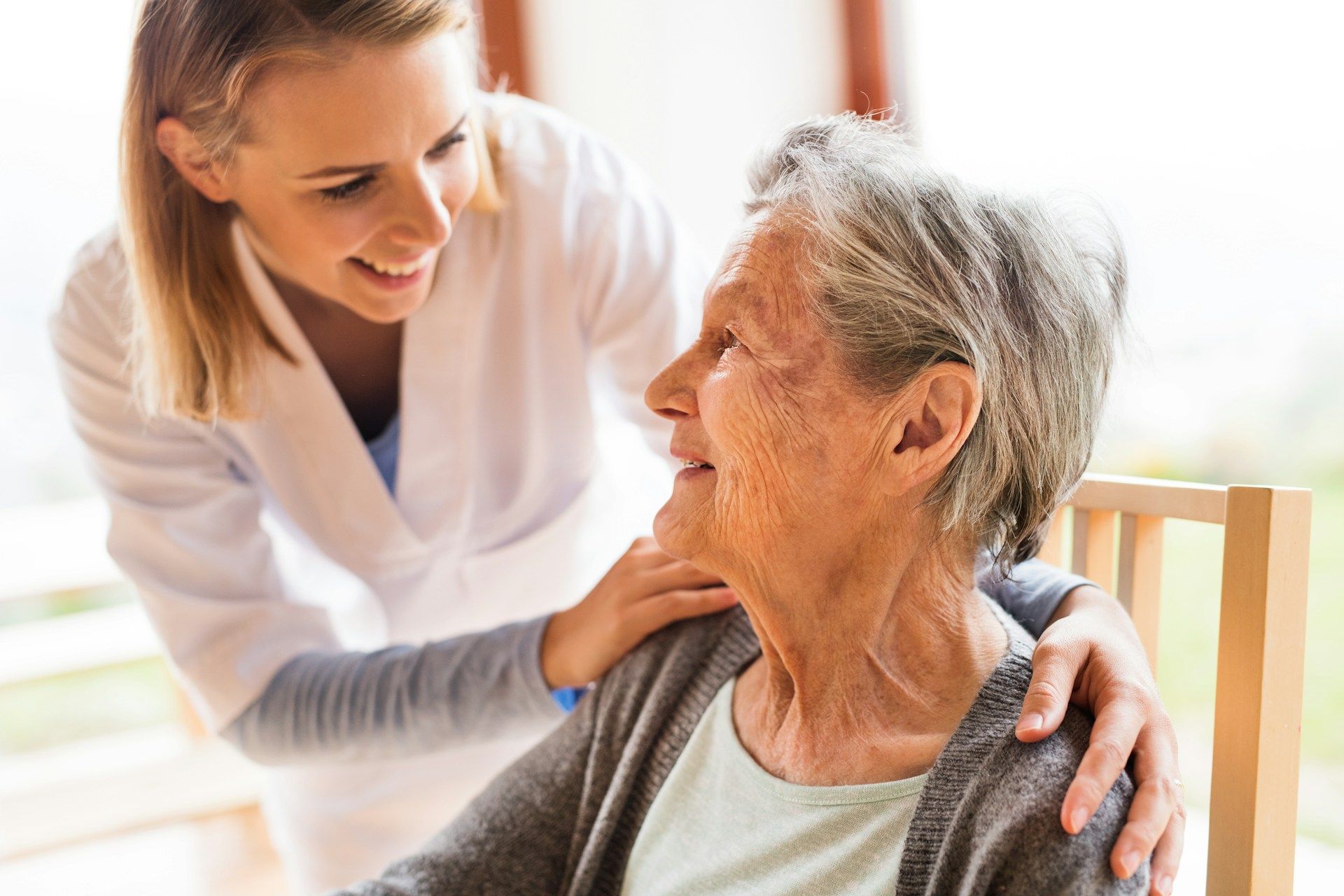
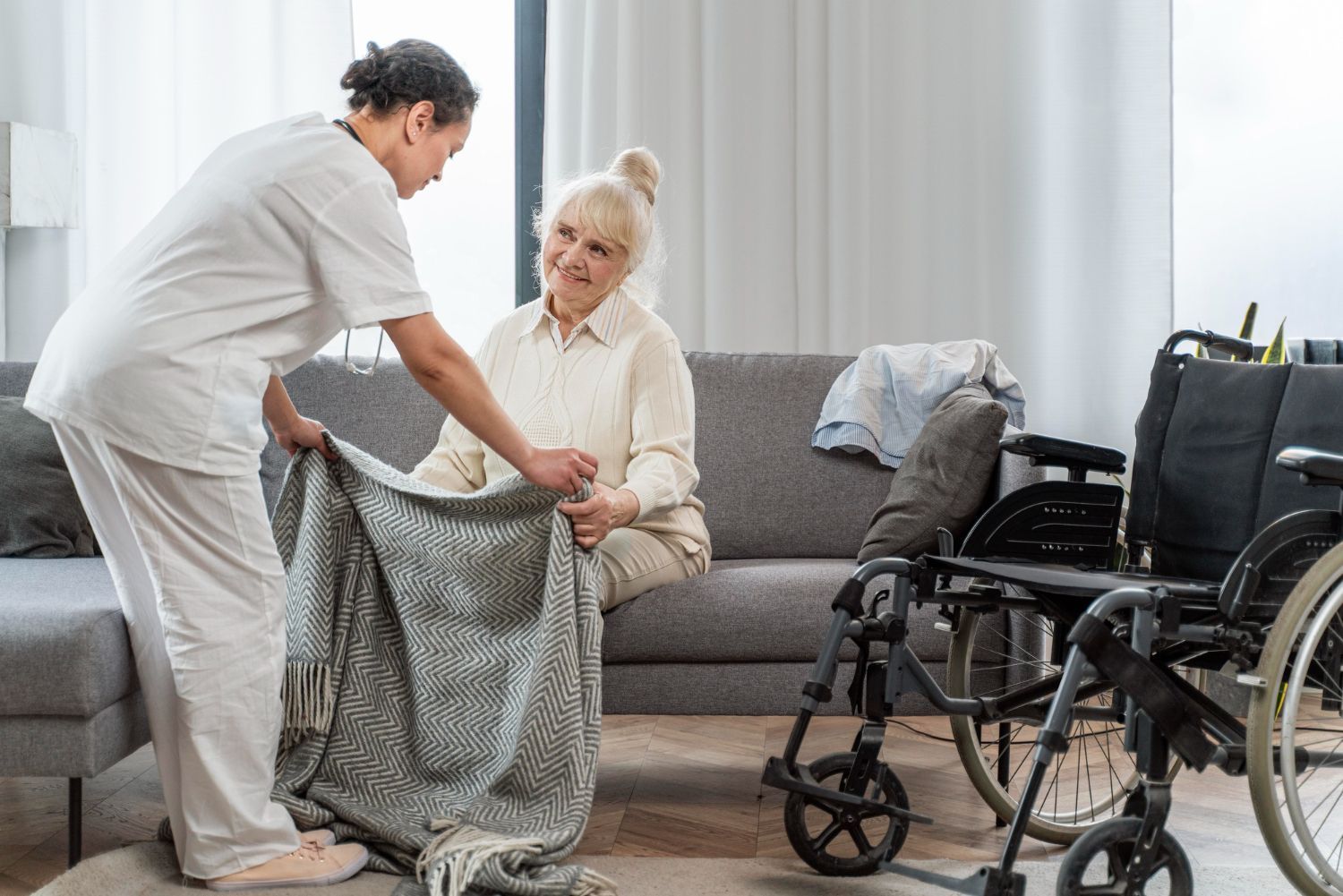
In-home care brings a caregiver into the home to support your kūpuna where they live. This is usually non-medical help, focused on daily living and comfort, rather than clinical treatment.
Typical in-home care can include:
- Personal care, like bathing, dressing, and toileting
- Light housekeeping and laundry
- Meal prep and simple cooking
- Companionship and conversation
- Help with short walks and sometimes transportation
Some caregivers may also offer evening or overnight support, depending on their availability and your arrangement.
There are limits to in-home care. Most private caregivers are not nurses or therapists. Families often:
- Manage the schedule and coordinate changes
- Plan for backup when a caregiver is sick or out of town
- Make home changes to improve safety, such as clearing walkways or adding grab bars
In-home care tends to fit kūpuna who are homebound, tire easily, or feel stressed leaving the house. It can also work well if they need one-on-one help because of high fall risk or advanced mobility needs.
Costs and Schedules in Real-Life Scenarios
The cost setups for elderly day care on Oʻahu and in-home care are usually different. Adult day centers commonly charge by the day or by part of a day. In-home care is often priced by the hour and may have minimum hours per visit.
Instead of thinking only about the number, it helps to look at how you plan to use the care:
- Five full days a week at a day center versus many hours of in-home care
- A few mornings of day care versus short, focused visits from a home caregiver
- Occasional support for errands, appointments, or caregiver breaks
Schedules also feel different. Adult day centers usually have set hours on weekdays. This is helpful if you work fairly standard shifts or want a solid routine. In-home care is often more flexible, which can help if you:
- Work evenings, nights, or split shifts
- Need early morning or later evening help
- Have school-age kids with changing activities
Here are a few common patterns we see:
- Part-time worker: A caregiver who works three days per week may choose adult day care on those workdays and manage care at home on off days.
- Full-time worker with long commute: A mix of day care plus some in-home support for early mornings or evenings can help bridge the gap.
- Interisland family visiting on school breaks: Short-term day care can give visiting relatives time to help with errands, appointments, or family gatherings, while kūpuna enjoy familiar activities and routine.
The right choice often depends on how many hours of help you truly need and when those hours fall in your week.
Social Connection, Safety, and Cultural Comfort
Care is not just about tasks. It is also about human connection, safety, and joy in daily life.
At an adult day center, kūpuna can:
- Join group activities like music, art, or light exercise
- Build friendships with peers facing similar life stages
- Enjoy staff-led programs that keep the day interesting
This can be especially helpful if your loved one feels lonely or watches TV most of the day at home. A center is built with safety in mind, with staff watching for falls or behavior changes and spaces set up for older bodies.
In-home care offers quieter, one-on-one time. This can feel comfortable for someone who is shy or easily overwhelmed by noise, or who has trouble moving around. Safety at home depends on the setup of the house and the attention of the caregiver, so families often need to think through things like lighting, rugs, and bathroom access.
On Oʻahu, cultural comfort also matters. Many kūpuna respond well to local music, familiar foods, and respect for island values. A day center like ours can weave in local touches and honor kūpuna in ways that feel natural and warm. That kind of environment can support dignity, pride, and a sense of belonging.
How to Decide What Is Best for Your Family Now
Your decision today does not have to be forever. It helps to look at a few key areas with clear eyes.
Start by asking yourself:
- How is my kūpuna moving around the house?
- Do they wander, forget to eat, or get confused about day and night?
- Am I able to sleep, work, and care for others in the home?
- When during the day do I feel most stressed or worried about their safety?
From there, you can begin talking with adult day care programs and in-home care providers. Helpful questions include:
- Are you licensed or accredited, and how are staff trained?
- What is your backup plan if a staff member is sick?
- Do you offer transportation, and how does that work?
- Can we try a short trial period or sample day before deciding?
- How are in-home caregivers screened and supervised?
It also helps to think ahead by season. Before busy times like graduation parties, summer travel, or year-end holidays, many families adjust their care plan. Some use adult day services during the workweek and add in-home care when relatives visit or when schedules change.
You are allowed to mix and match. Adult day care plus occasional in-home support can give structure to your kūpuna and more breathing room for you. Over time, you may shift the balance as your loved one’s needs and your own life change.
Whatever you choose, the goal stays the same: keep your kūpuna safe, engaged, and respected, while giving yourself enough rest and support to keep showing up with love.
Help Your Loved One Thrive With Compassionate Daily Care
Choosing the right daytime support can bring peace of mind to your whole family, and at Hale Hau’oli Hawai’i we are here to guide you every step of the way. Explore how our
elderly day care in Oahu can provide social connection, engaging activities, and attentive care tailored to your loved one. If you are ready to talk through your questions or schedule a visit, please
contact us today. Together, we can create a safe and uplifting routine that supports both your loved one and your family.