What You Should Know Before Starting CNA Classes in Oahu This Spring
Spring in Oahu often means more sun, a little more movement, and the feeling that it’s a good time to start something new. If becoming a caregiver has been on your mind, this might be the season to take that first step. Starting CNA classes in Oahu can help build the skills needed to support others, whether you’re planning to work in healthcare or assist a loved one at home.
But jumping into training without knowing what’s ahead can feel overwhelming. We want to help make the process feel less uncertain. From time commitments to learning styles, there are a few things worth thinking through before signing up. Here’s a closer look at what to expect and how to prepare.
Are You Ready for Hands-On Learning?
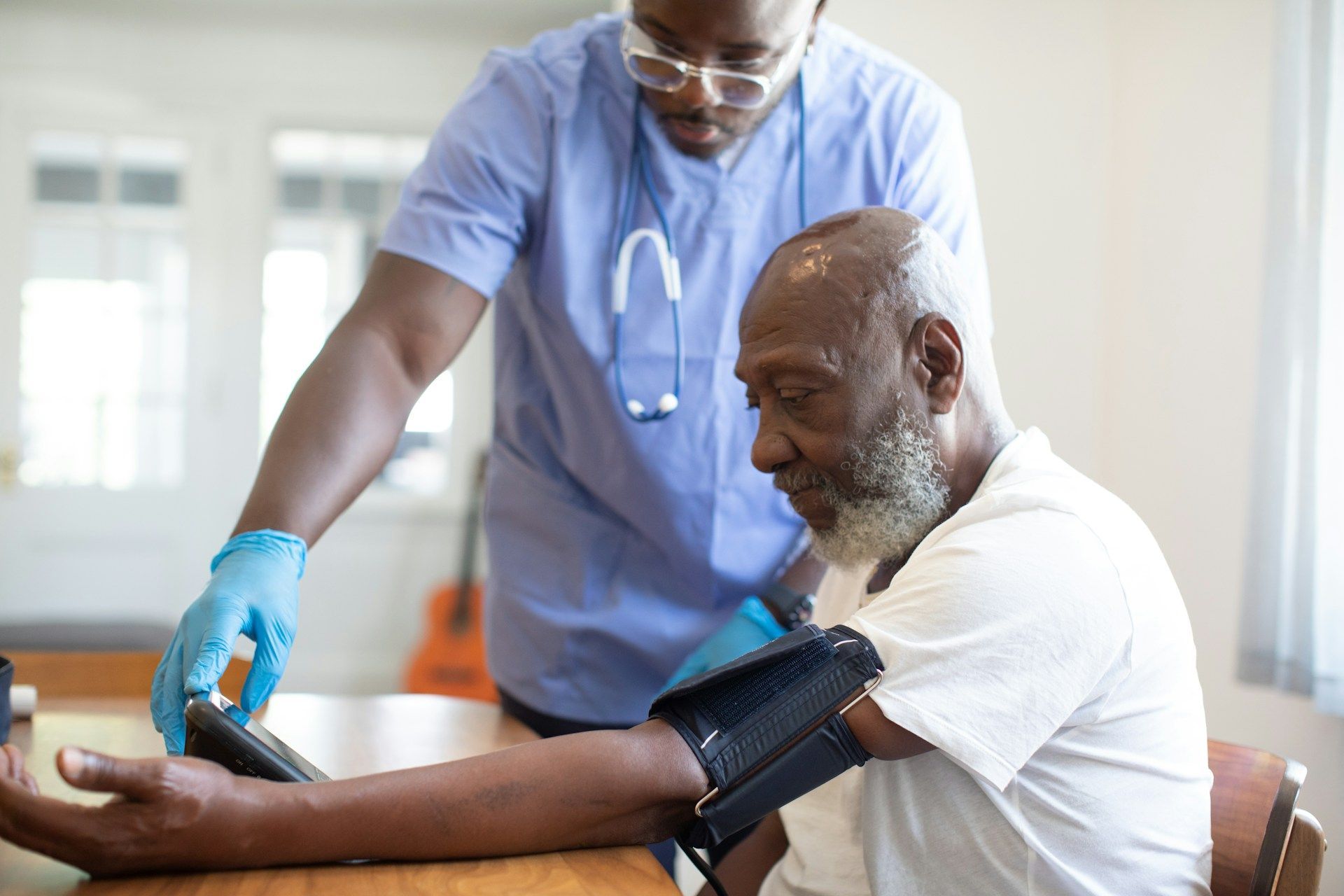
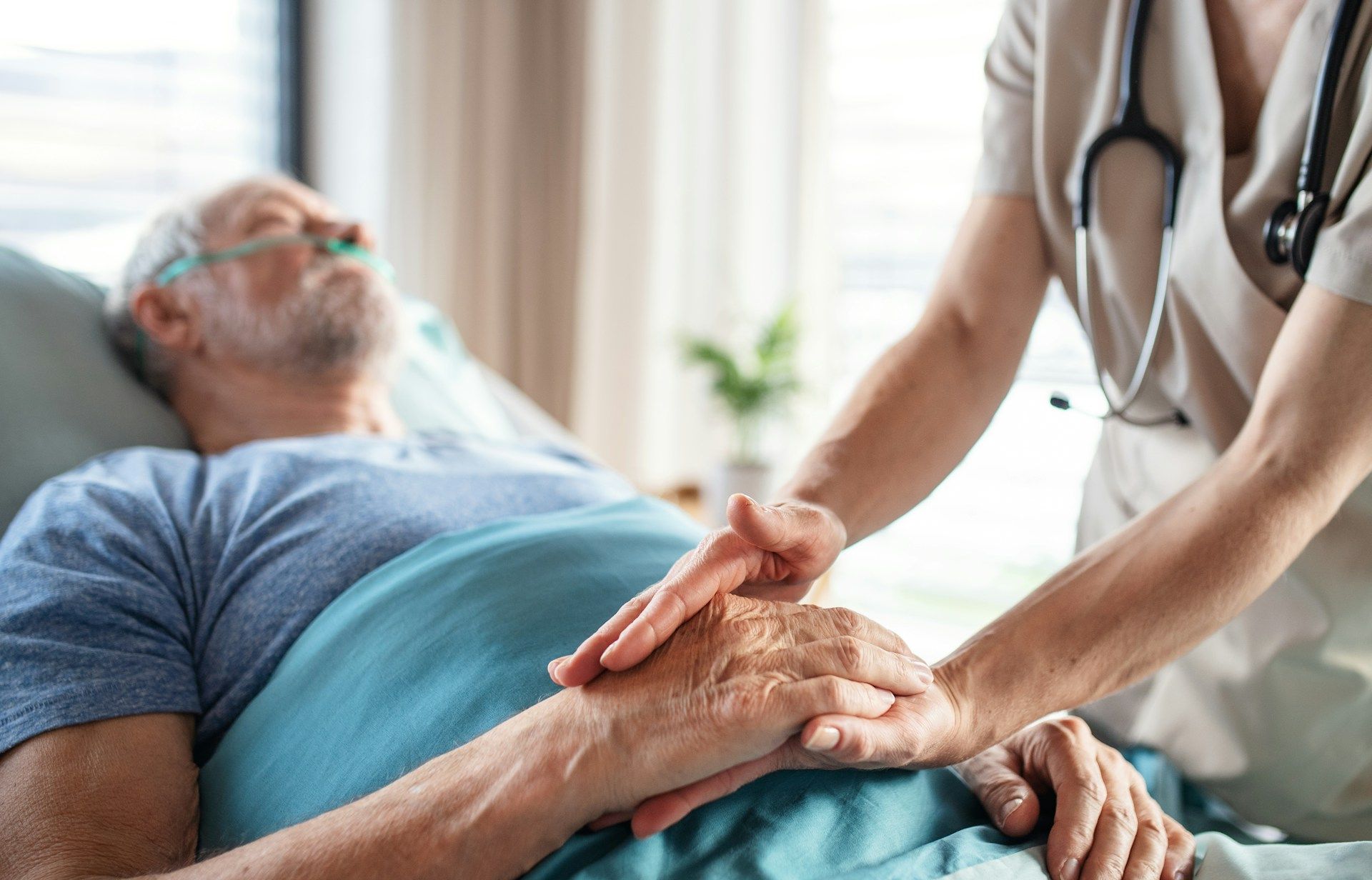
CNA programs aren’t just about reading books or taking notes in class. They tend to focus on real experiences, and that means getting into the details of hands-on care. If you're more of a “learn by doing” kind of person, that’s a good match.
During training, you’ll start to build important caregiving skills like:
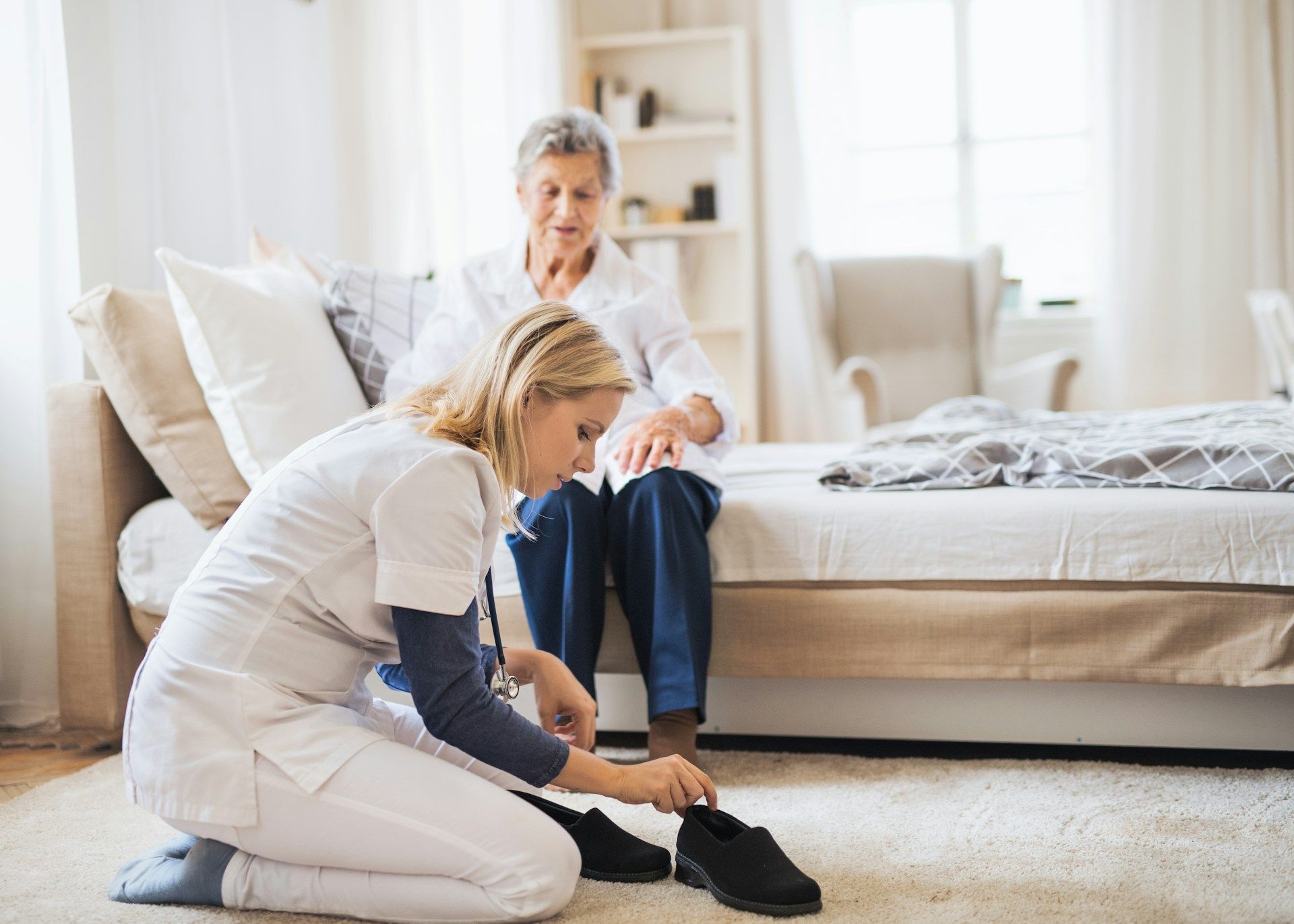
- Helping with bathing, dressing, and feeding
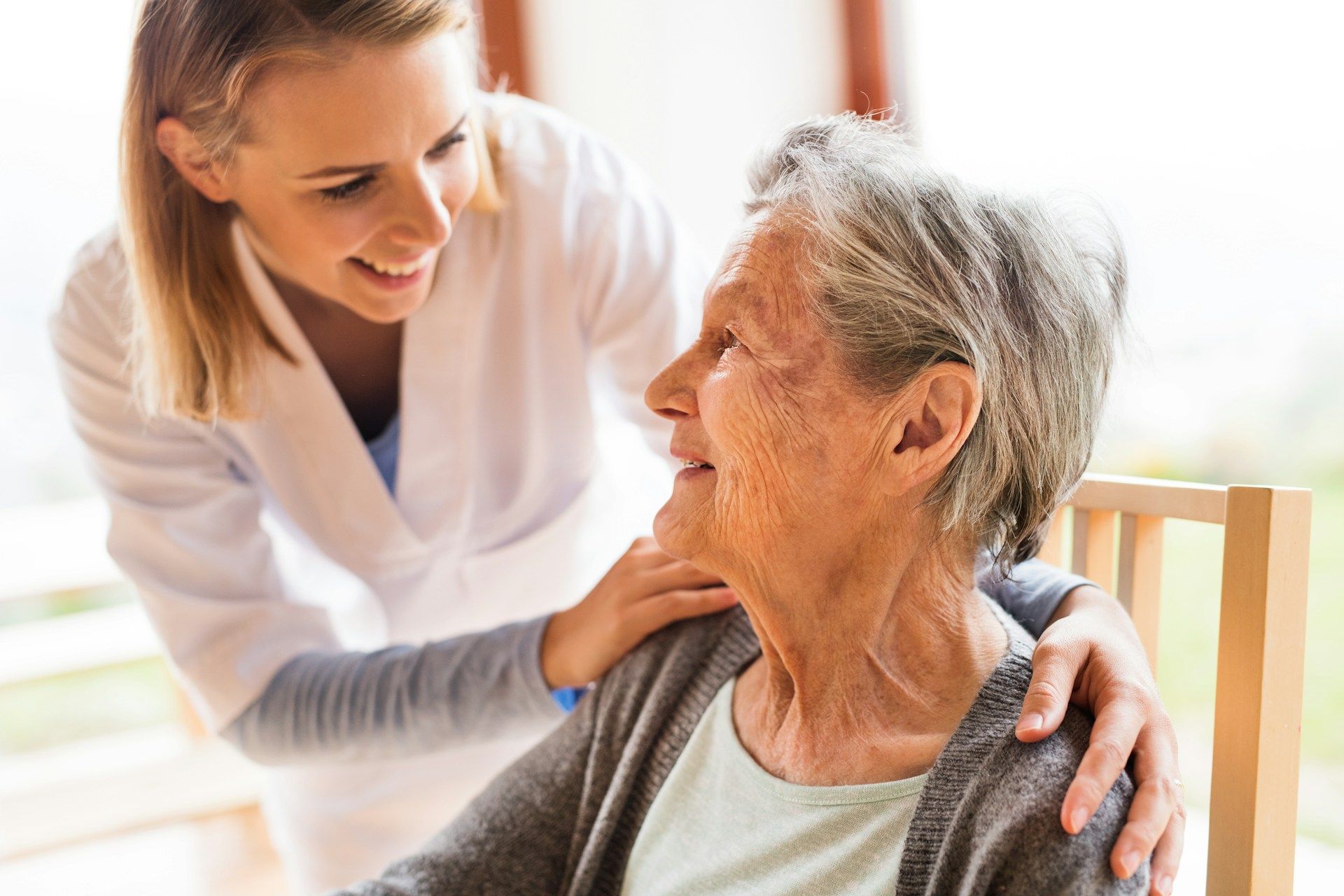
- Speaking clearly and kindly with people who need care
- Moving individuals safely or helping them walk with support
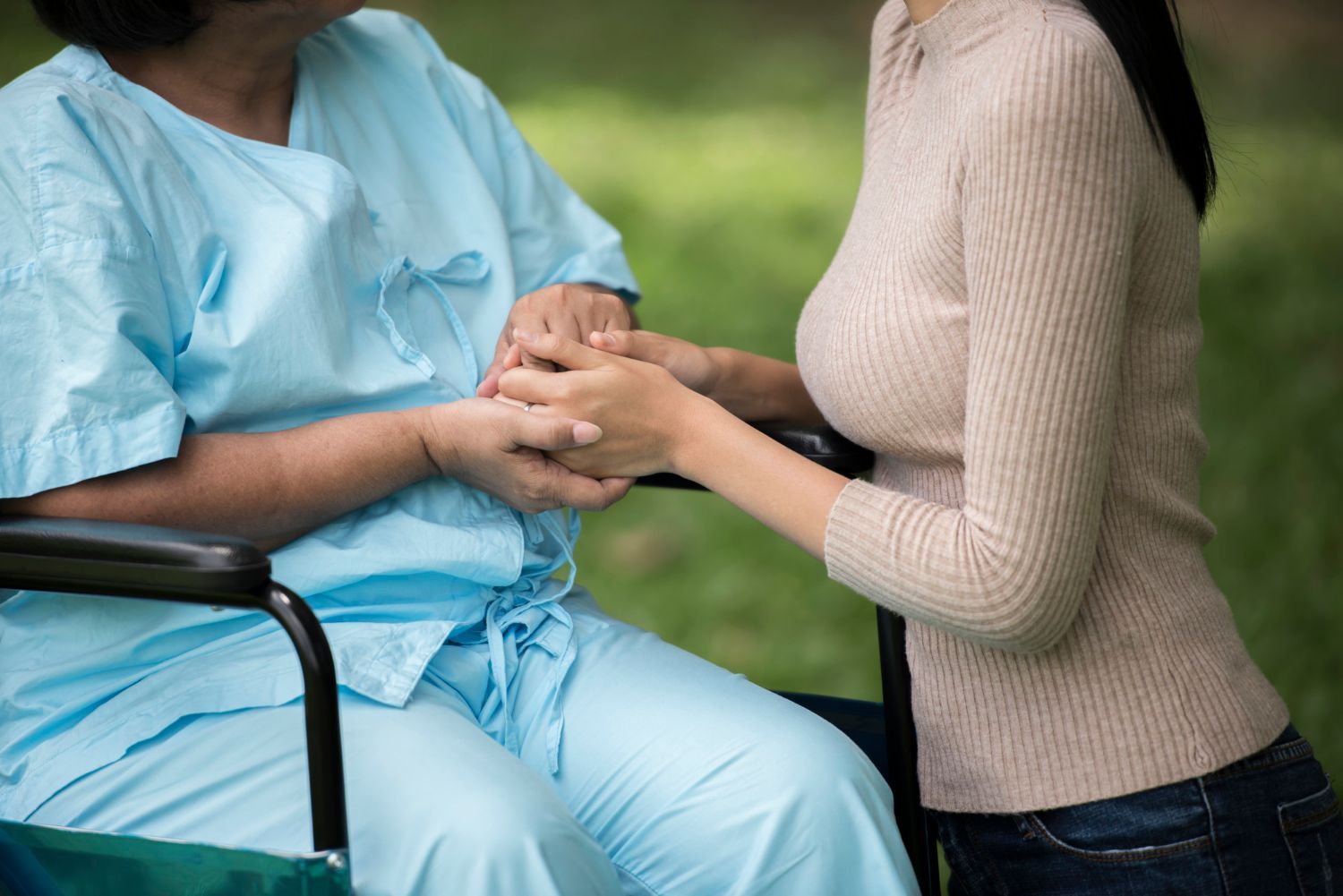
Many CNA programs include time both in the classroom and in local care settings. That real-world practice helps you get comfortable not just with the tasks, but with the pace, sounds, and emotions that can come with caregiving work. If you tend to keep calm under pressure and enjoy helping people feel heard, this kind of training may feel like a good fit.
What to Know About Time and Scheduling
Before you start, take a close look at your weekly routine. Most CNA courses are scheduled with a mix of daytime or evening sessions, and keeping up with both class time and outside responsibilities can be a puzzle if you don’t plan ahead.
Spring can be a useful time to begin. The holidays are behind us, and many of us haven’t yet started summer travel or new activities. That breathing room can make it easier to focus.
Here are a few things to think about before committing:
- What days or times are you consistently available each week?
- Will someone be able to help with family or work responsibilities while you’re in class?
- Are you more focused during morning or evening hours?
Nobody’s schedule is perfect, but a little planning goes a long way. Look for quiet moments or blocks of time in your week that you can keep just for training. Giving yourself that space makes it easier to do your best in class.
Local Training Programs and What to Look For
When looking at CNA programs in Oahu, one detail that matters a lot is location. It helps to choose a spot that’s realistic for your schedule, whether it’s near home, work, or transit. Getting to class shouldn’t feel like a struggle before the learning even begins.
Beyond that, look for programs that offer:
- Support from instructors who have experience and patience
- Time in labs and local care settings, not just lectures
- A learning space where asking questions feels encouraged
A good group makes a big difference. Everyone learns at their own pace, especially when training includes emotional challenges or unfamiliar routines. Being part of a calm, helpful space makes it that much easier to keep going, even on the days when energy runs low.
At Hale Hau’oli Hawai’i, our programs are designed for hands-on, practical experience in real-life settings. Classes offer a supportive environment where questions are welcomed, and small group learning helps encourage skill-building.
Health and Safety Expectations in Training Environments
From the first day of class, you’ll likely be expected to follow basic health and safety rules. These help protect you, your classmates, and eventually the people you’ll care for.
That starts with what you wear. Most CNA programs ask students to dress in comfortable but neat clothing. Closed-toe shoes are usually required, and some programs suggest scrubs or layers you won’t mind moving around in.
You might also be asked to learn and practice safety habits right away, like:
- Hand washing steps that meet care-level standards
- How to keep your space clean when working with others
- How to use gloves and masks the right way
These habits can feel like a lot at first, but they quickly become second nature. Building them into your daily rhythm now makes them easier to keep up once you finish training and start helping others more directly.
Our center pays special attention to health policies, cleaning practices, and supports students with reminders and feedback as these routines become a regular part of daily care.
A Good Start Can Lead to a Great Future
Spring is often a time of new energy. In a place like Oahu, where outdoor routines shift gently with the season, it’s a good time to pick up a steady plan and follow it through. If you’ve been thinking about CNA training, learning what’s expected upfront can make the whole process feel much less overwhelming.
Starting CNA classes in Oahu should feel like a step forward, not a leap into the unknown. Whether you're drawn to caregiving for work or personal reasons, understanding the structure, pace, and expectations ahead of time can make your efforts go farther. With quiet preparation and the right support, we're better able to learn, grow, and help others do the same.
At Hale Hau’oli Hawai’i, we understand how valuable it is to learn new caregiving skills within our community. Whether you’re caring for a family member or starting a healthcare career, the right training is important. Our programs offer hands-on experience to help you prepare to serve others and meet your goals. For more information on how
CNA classes in Oahu can support your caregiving path, reach out today to ask questions or get started.