Why Aging in Place in Oahu Requires More Than Just a Safe Home
More and more older adults are choosing to stay in their own homes as they age. The comfort of familiar spaces, treasured routines, and a sense of independence make that choice feel right for many families. But when we think about aging in place in Oahu, it’s not just about adding safety bars or updating bathrooms. A safe house is a good start, but it can’t meet every need that comes with growing older.
Aging in place means looking at the bigger picture. Seniors need connection, routine, and a support network they can count on. For families considering this path, the question becomes not just “Is the house safe?” but “Is this life still full?” That’s what we’ll walk through here, what really matters when someone chooses to age at home.
More Than Safety: What Aging in Place Really Means
Aging in place is about more than avoiding falls or making sure the stove gets turned off. Those details matter, of course, but the broader goal is to help older adults feel good, mentally, socially, and emotionally, as the years go on.
• Staying healthy doesn’t just mean doctor visits. It includes being active, eating well, and getting fresh air.
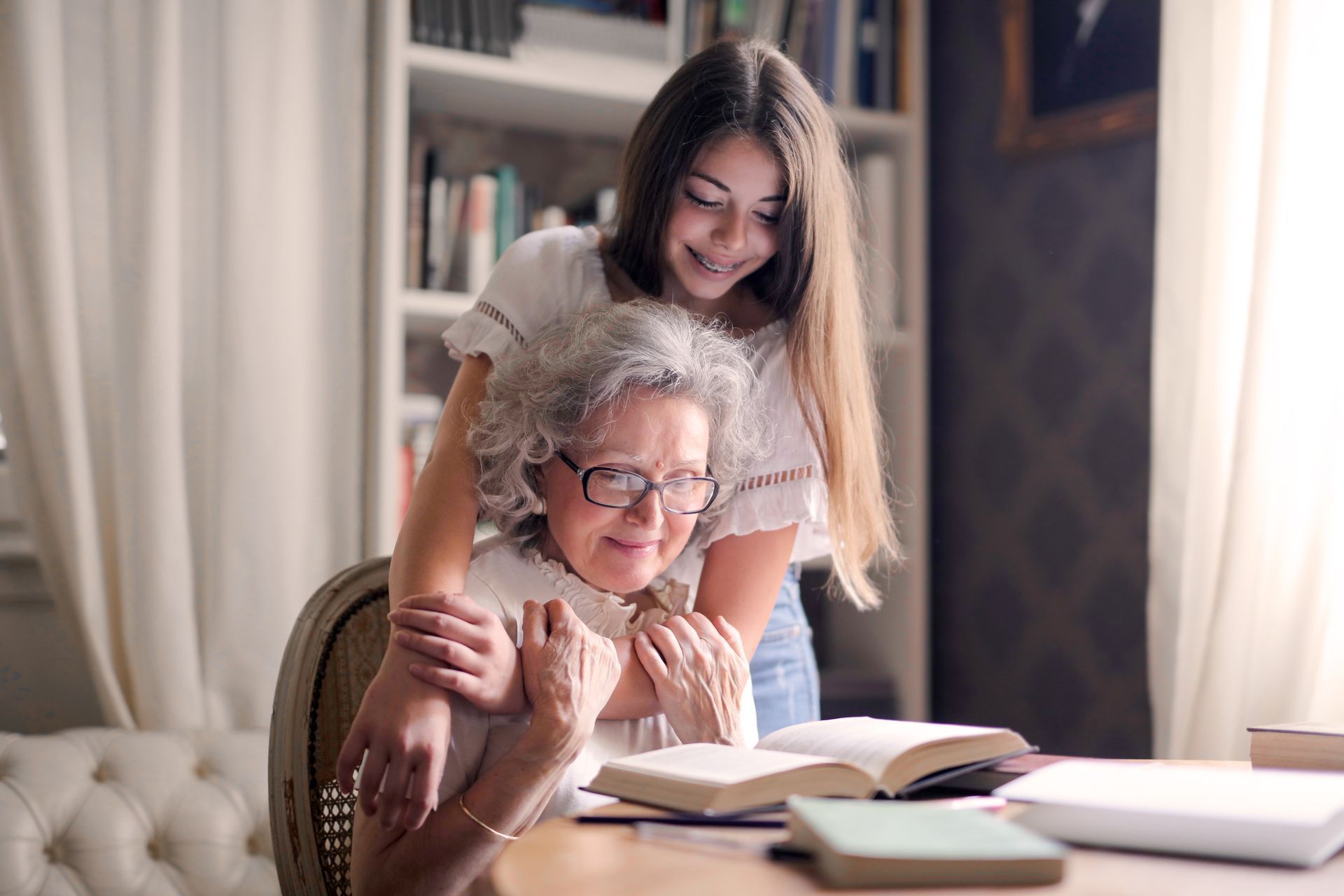
• Feeling connected is just as important as being safe. Regular visits, meaningful conversations, and feeling seen can change someone’s whole experience.
• Having help doesn’t have to mean giving up control. It’s about making the day smoother, whether that’s with dressing, meals, or remembering a daily schedule.
The homes we age in are only part of the puzzle. How we keep people engaged and supported every day matters just as much.
The Role of Daily Structure and Purpose
We all do better with a little rhythm in our day. That’s especially true for older adults living at home. Knowing what happens next builds confidence, and a regular routine can bring a quiet kind of peace.
• Meals at the same time each day give structure and make sure nutrition doesn’t slip.
• Hobbies, phone calls, or light chores add a sense of accomplishment.
• Group activities, whether in-person or virtual, can spark joy and break through loneliness.
Structure gives purpose, and purpose creates momentum. Without any anchor points, the days can blur together. That leaves people feeling stuck or low, even when everything around them seems fine.
Staying Connected in a Changing World
It can be easy to get isolated, especially if driving isn’t an option or close friends move away. But that doesn’t mean social life is over. It might just look a little different now.
• Libraries, churches, and senior centers often offer group activities that keep relationships alive.
• Regular check-ins from family or friendly neighbors make a big difference in how safe and supported someone feels.
• In places like Oahu, community ties tend to run deep. Families often live nearby, and there’s a strong tradition of respecting and caring for elders. That local pride is something to lean into, not take for granted.
Connection supports the heart just as much as the brain. Without it, even the safest home can feel too quiet.
Helping Hands: Why Caregiver Support Matters
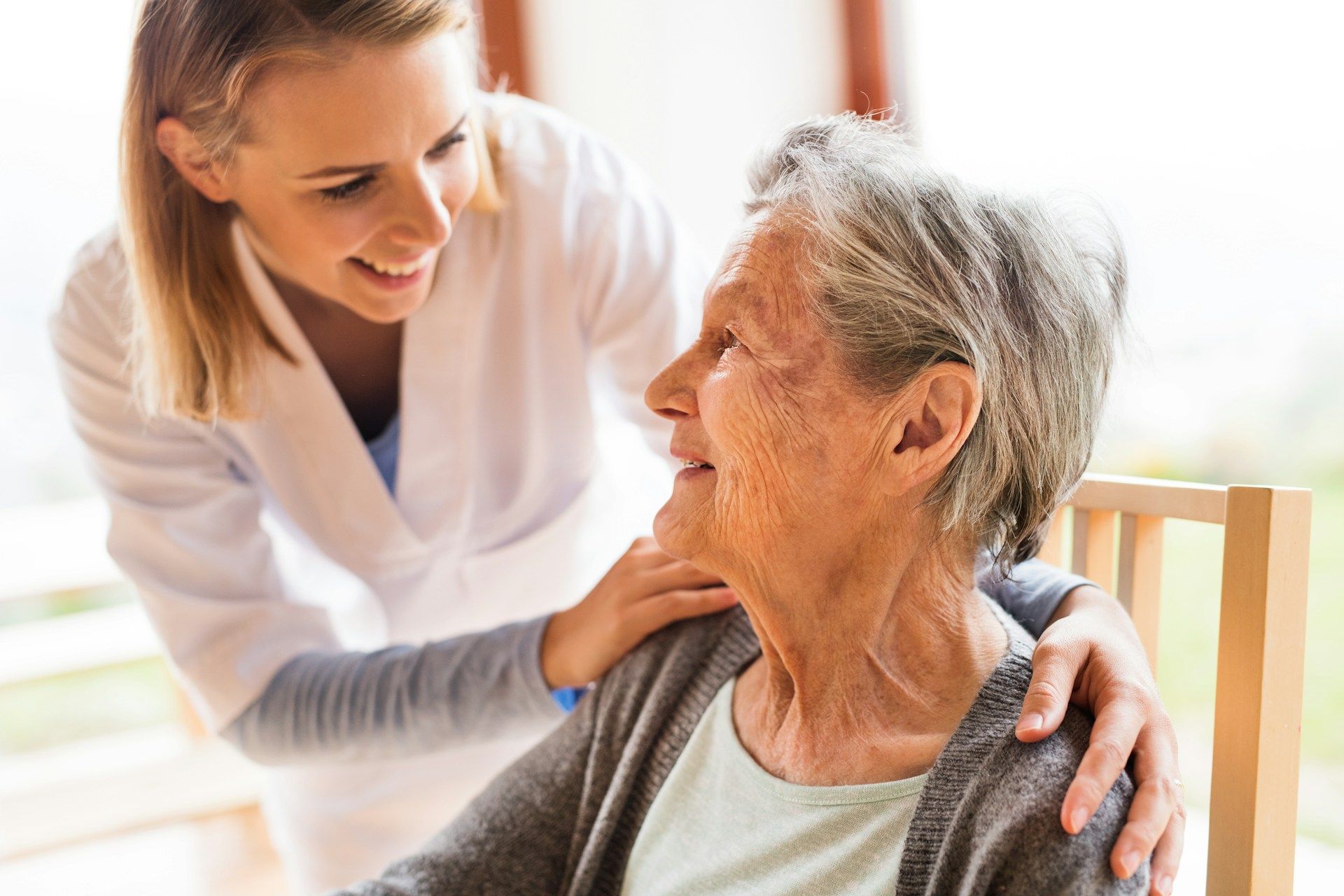
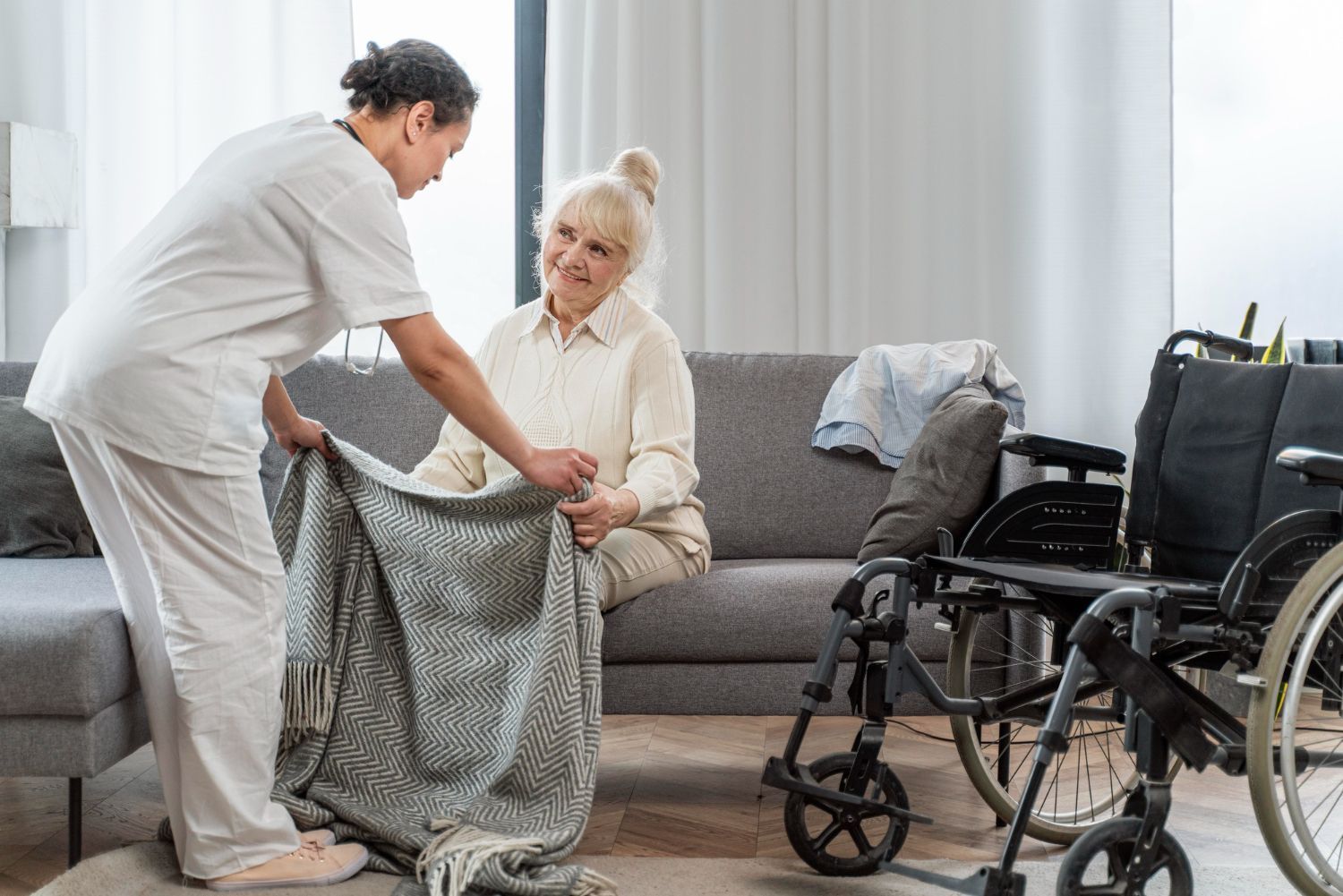
Caring for someone aging at home is rarely a solo job, even if it starts out that way. Over time, needs can grow. That’s where caregivers, family, friends, or outside helpers play a huge role.
• Caregiving comes with real demands, like driving to appointments, helping with meals, or just being there every day.
• Nobody can do it all without a break. Caregivers need time to breathe, take care of their own health, and rest.
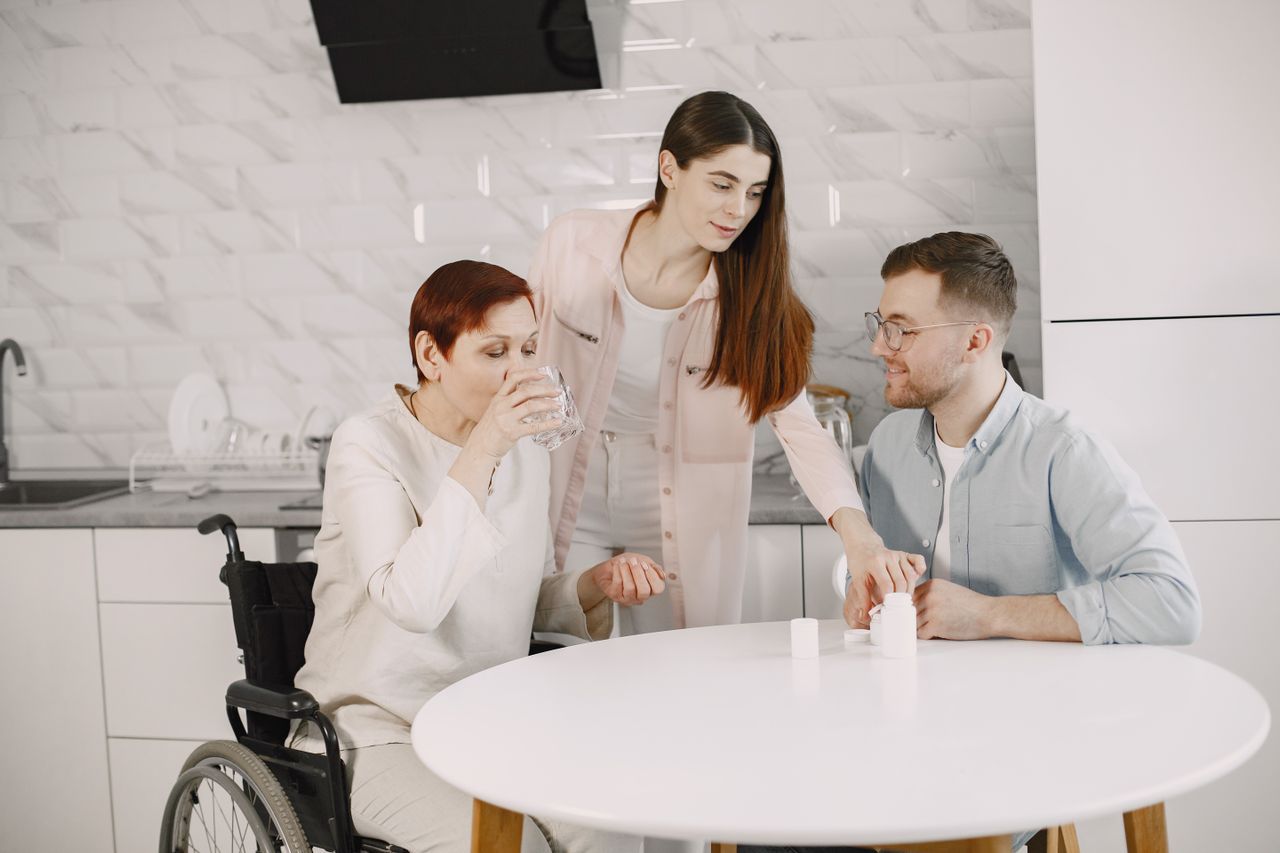
• Having reliable help available, whether for an hour or a day, makes long-term care more sustainable for everyone.
We see it often. The better supported the caregiver feels, the more stable things become for the person aging at home.
When Aging in Place Needs a Little Extra
Sometimes staying home works best when there’s a little added care mixed in. This doesn’t mean giving up independence. It means folding in services that help keep things running smoothly.
• Adult day programs give structure, activities, and company during parts of the day when family might not be available.
• Short-term respite care offers relief during times of caregiver illness, travel, or burnout.
• Regular home visits to check on health, mobility, or emotional wellness can catch small issues before they grow into emergencies.
With these supports, seniors can enjoy their home while staying engaged, active, and safe. Caregivers feel less pressure, and everyone rests a little easier. At Hale Hau’oli Hawai’i, older adults can join daily group activities like music, arts and crafts, and gentle exercise, all designed to build connection and keep the mind and body active.
Building Comfort at Home and in the Heart
Safety matters, but so does spirit. For aging in place in Oahu to work well, families need more than upgraded kitchens or stair-free entries. They need peace of mind, steady routines, and trusted care to lean on when things get tough.
When we talk with families about planning ahead, we encourage them to think wider than the house itself. Does the day have flow? Are meals shared, laughter heard, or small goals reached? These are the signs of real comfort, the kind that grows from connection, not just surroundings. Our staff help families get set up for success by offering bilingual support and serving local-style meals that honor community traditions.
Aging at home can be a beautiful thing when the right pieces come together. It starts with safety, but it lasts with meaning.
Balancing independence and daily support for your loved one in Oahu is at the heart of what we do. Creating a safe home environment while fostering meaningful social connections is important for well-being. Incorporating structured daytime programs can bring added community, routine, and peace of mind for families. To see how we support
aging in place in Oahu, contact Hale Hau’oli Hawai’i today.