Loneliness vs. Depression vs. Dementia in Kupuna: How to Tell the Difference
When Is It More Than “Just Getting Older”?
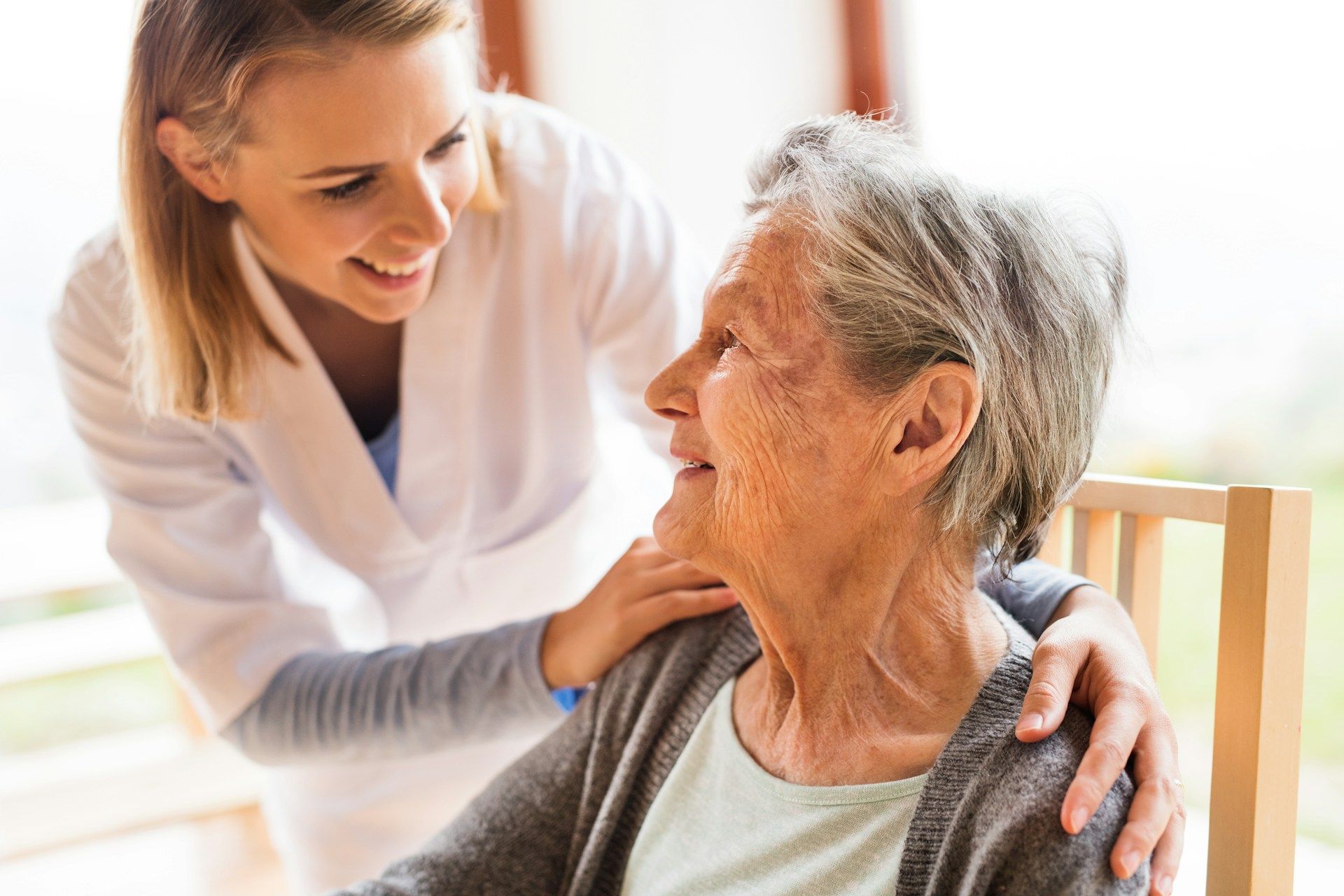
When a kupuna starts sleeping more, skipping church, or turning down family luaus, it can feel confusing. Family may wonder: Is this just age, or is something more serious happening? Many caregivers worry about three big things: loneliness, depression, and dementia.
These can look similar on the surface, but they are not the same. Each one calls for different kinds of support, from simple social time to medical care. Telling them apart early can help our kupuna stay safer, more engaged, and more at peace.
Here in Hawaiʻi, care is not just about doctors. It is about our families, neighbors, church groups, and community programs like adult day care in Oʻahu. When we understand what we are seeing, we can choose the right kind of help and keep our kupuna connected to what they love.
How Loneliness Shows Up in Kupuna
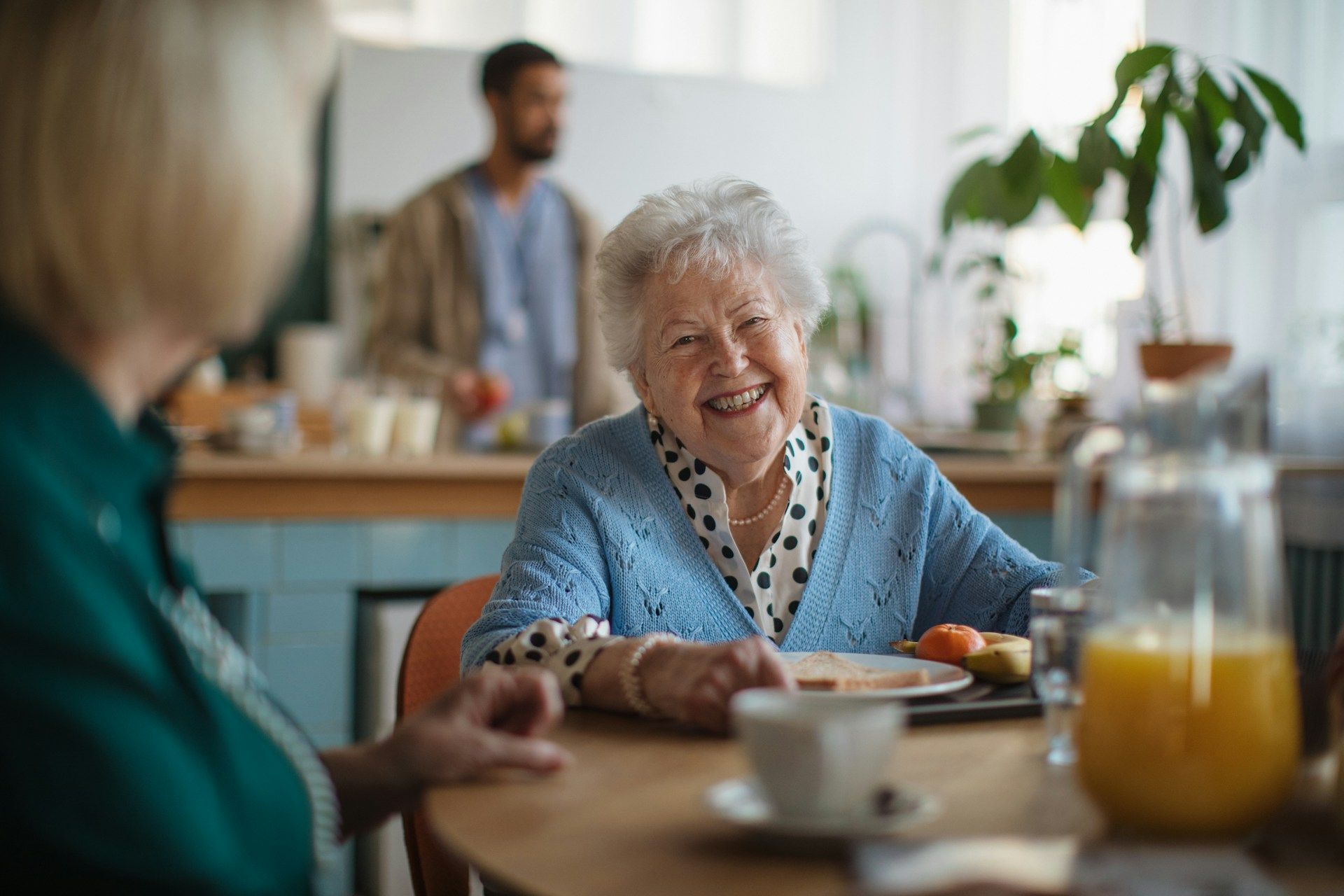
Loneliness is about how a person feels inside, not just how many people are around. A kupuna can feel lonely even in a full house. Social isolation is when they are actually spending most of their time alone or away from regular contact.
Common signs of loneliness in kupuna include:
- Spending long hours watching TV or scrolling on their phone
- Saying no to family parties, church, or club meetings
- Stopping activities like hula, music, or card games they once enjoyed
- Making comments like “I do not want to bother anyone” or “Everyone is busy”
Major life changes often make this worse. Losing a spouse, moving to a new home, or giving up driving can shrink a kupuna’s world. Times that should feel happy, like graduations, summer trips, and holidays, can sting when they feel left out or like a burden.
Helpful supports for loneliness often come from simple, steady connection:
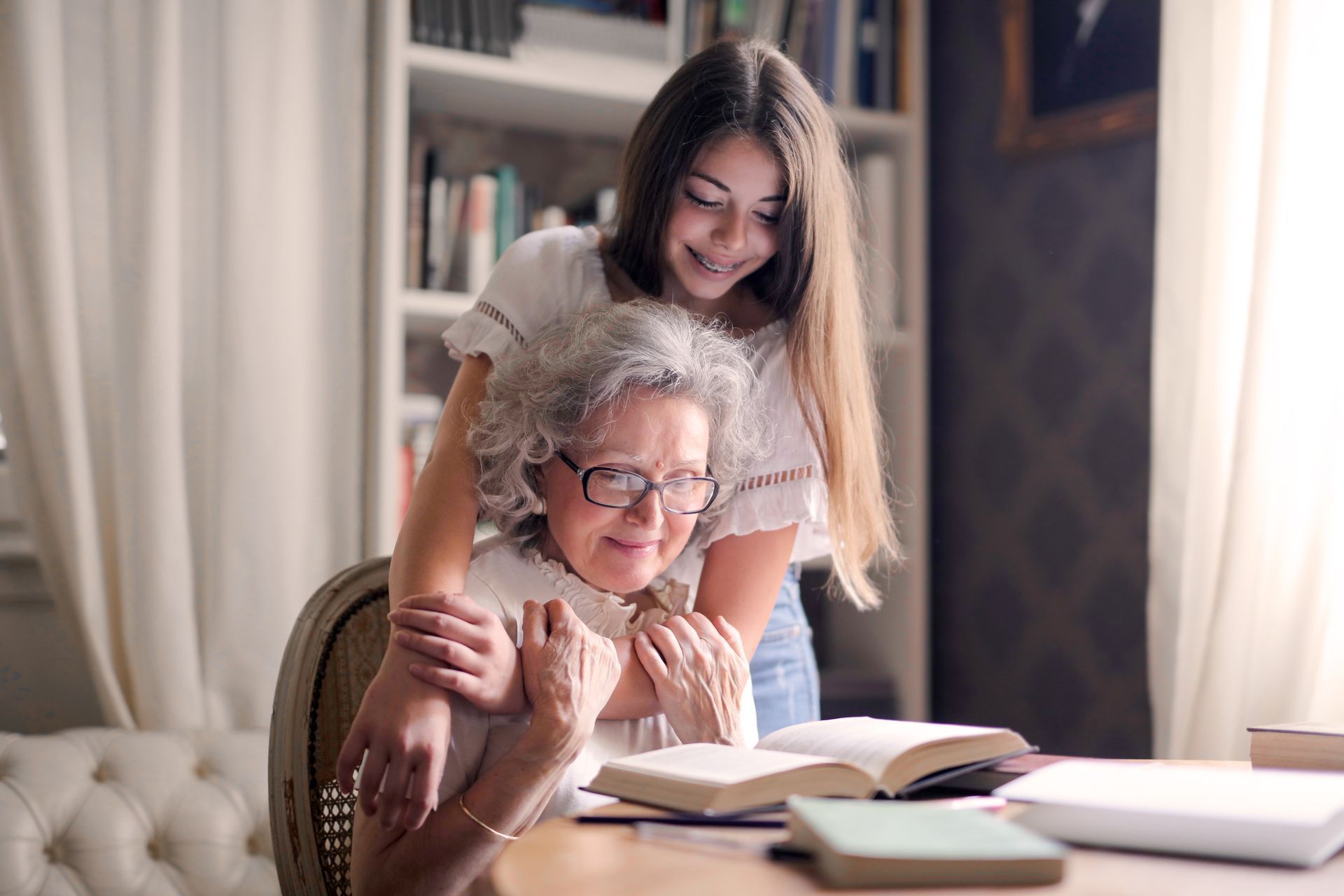
- Regular check-ins from family, neighbors, or church friends
- Senior centers or kupuna programs that offer games, crafts, and exercise
- Cultural or faith gatherings where kupuna feel they belong
- Adult day care in Oʻahu, which can offer structured social time, safe supervision, and a predictable routine during the day
When loneliness is the main issue, memory and thinking are usually still OK. The kupuna may feel down at times, but their mood often lifts after a good visit, a phone call, or a day of engaging activities.
Recognizing Depression Beyond “Old Age Blues”
Depression is different from loneliness. It is not just being sad once in a while, and it is not a normal part of getting older. Depression is a medical condition that affects mood, thoughts, and even the body.
Signs of depression in kupuna can include:
- Ongoing sadness, emptiness, or frequent crying
- Irritability or anger that seems out of character
- Sleeping much more or much less than usual
- Eating much more or much less, or losing interest in food
- Losing interest in hobbies, music, or family time that used to bring joy
- Complaints about body pain or discomfort without a clear cause
- Comments about feeling hopeless, tired of living, or wanting to “give up”
Depression and loneliness can overlap, but there are some differences. A lonely kupuna might cheer up with company. A depressed kupuna may still feel heavy and unhappy even when someone is there. They may avoid phone calls and visits, or seem distant even while sitting at the dinner table.
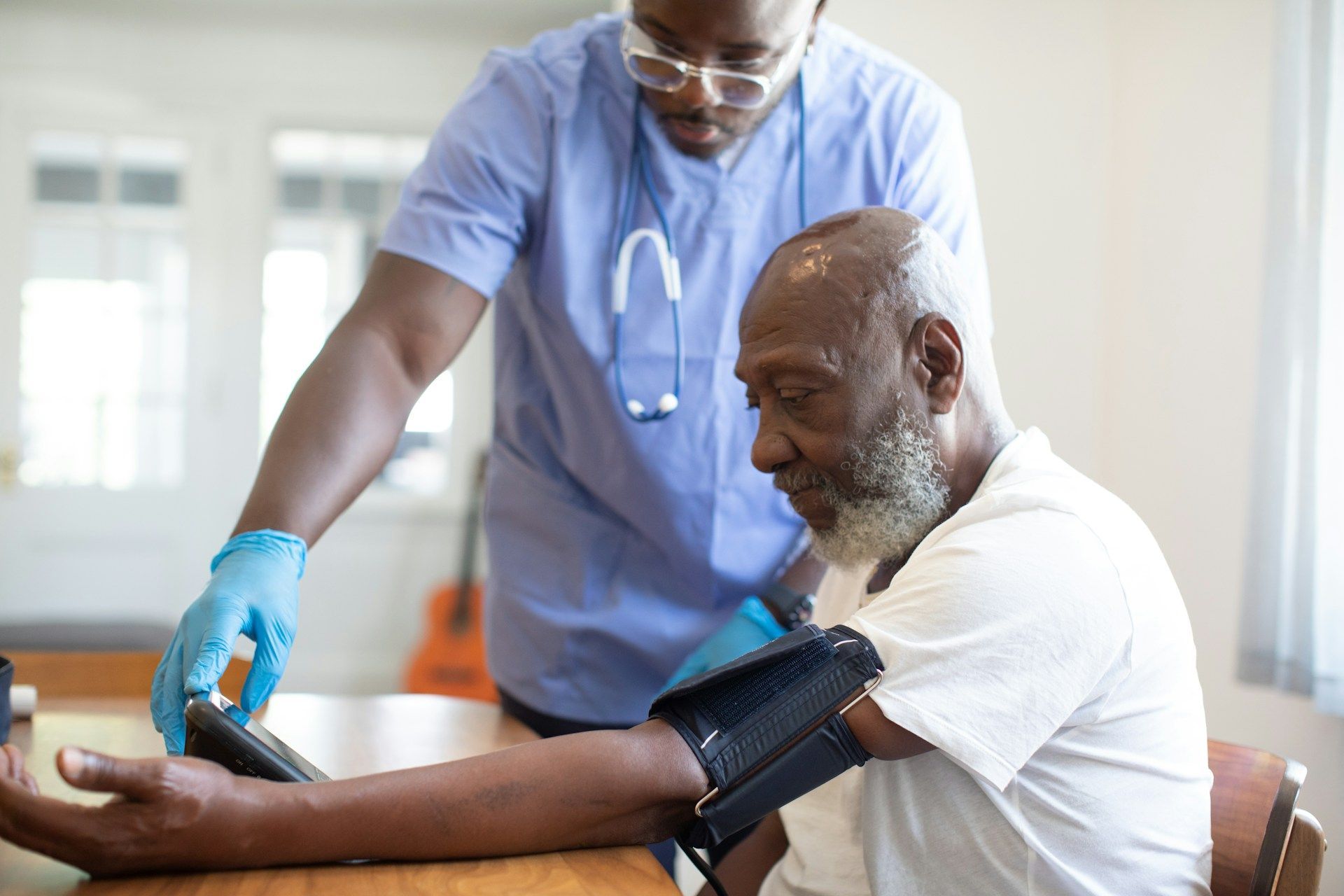
When depression is suspected, a primary care provider should usually be the first step. A doctor can:
- Screen for depression with simple questions
- Check if medications, sleep problems, or health issues are adding to mood changes
- Offer treatment options, like counseling referrals or medication
Adult day care can sometimes support a depressed kupuna by giving structure to the day, social contact, and a sense of purpose. Caregiver support groups on Oʻahu can also help families learn what to watch for and how to respond without feeling alone.
Early Signs of Dementia and When to Worry
Dementia is a word for a group of conditions that affect memory, thinking, and daily life. It is more than normal forgetfulness or “senior moments.” With dementia, changes in the brain start to affect how a person functions from day to day.
Early signs to watch for include:
- Asking the same question over and over
- Getting lost in familiar places, like the neighborhood or church
- Struggling to manage bills, appointments, or medications
- Using the wrong words or having trouble finding simple words
- Misplacing items in strange spots, like keys in the fridge
- Personality changes, such as increased suspicion or sudden poor judgment
Unlike loneliness or depression, dementia affects thinking skills in a more direct way. The kupuna may not notice a problem, or may deny anything is wrong. Family might see unpaid bills stacking up, spoiled food in the fridge, or safety issues in the kitchen.
Dementia can also cause social problems. A kupuna might pull away from others, not because they do not want company, but because they feel confused, embarrassed, or overwhelmed in groups.
Urgent support steps usually include:
- Contacting the primary care provider for memory checks and exams
- Asking about referrals for more detailed testing, if needed
- Considering structured daytime settings, like adult day care in Oʻahu, to provide safe activities and watchful support
Early community support can ease the path for both the kupuna and the caregiver, helping them plan ahead and find strength in routine and connection.
Matching the Right Support to Your Kupuna’s Needs
It can still feel confusing, so it helps to think in simple patterns. Here is a basic way to sort out what you are seeing:
- Mostly emotional and social changes, with clear thinking and memory: loneliness is more likely, so focus on social and community support.
- Ongoing sadness, withdrawal, or changes in sleep and appetite, but the kupuna knows where they are and who people are: depression may be present, so a primary care visit is important.
- Noticeable memory or thinking problems that affect bills, safety, or daily tasks: dementia might be starting, and a prompt visit to the primary care provider is important.
Different challenges call for different help:
- For loneliness: community programs, senior centers, cultural groups, and faith communities can offer connection.
- For depression: medical care, mental health providers, and caregiver education can guide treatment and support.
- For dementia: medical providers, neurologists, and programs designed for memory needs can support safety and daily function.
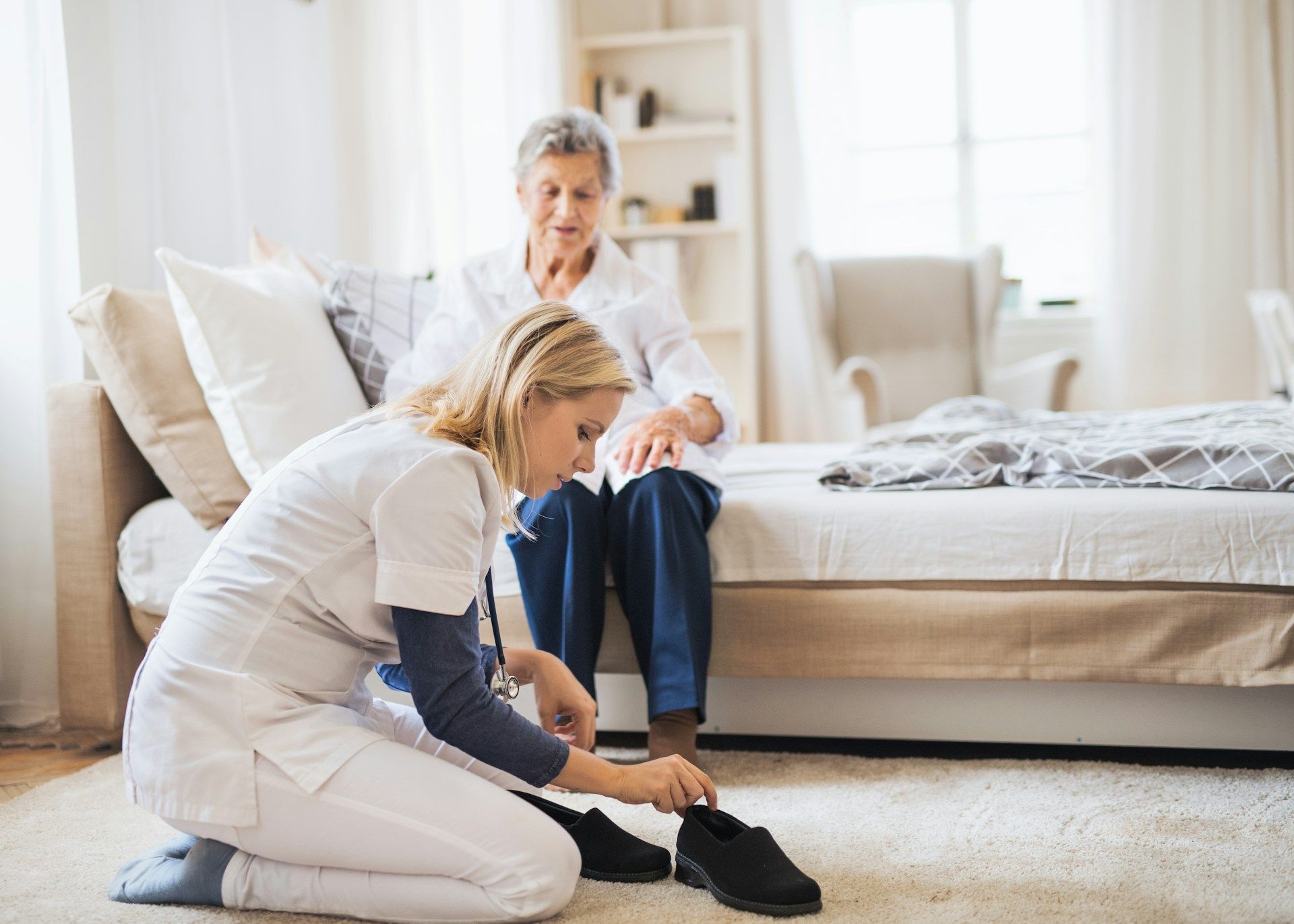
Adult day care programs can play a helpful role across all three, by offering routine, social time, and a safe place during the day. Staff in these settings get to know kupuna over time and can notice changes that may need medical follow-up.
Taking the Next Step with Hale Hauʻoli Hawaiʻi
No family wants to wait until a crisis to act. Early support, whether through a check-in with a doctor, a trial day at a structured program, or joining a caregiver group, can make everyday life smoother and more joyful for everyone.
At Hale Hauʻoli Hawaiʻi on Oʻahu, we focus on positive aging through daytime care, community programs, and education for seniors and their families. Our day programs are designed to support kupuna who may be dealing with loneliness, depression, dementia, or a mix of changes. We also offer caregiver workshops and support that help families feel more prepared and less alone.
When we learn the difference between loneliness, depression, and dementia, we can respond with clarity and compassion. With the right mix of medical care, community support, and safe daytime programs, we can honor our kupuna and strengthen the whole ʻohana.
Help Your Loved One Enjoy Safer, Happier Days
If you are exploring options for supportive daytime care, our team at Hale Hau’oli Hawai’i is ready to help your family find the right fit. Learn how our personalized activities, compassionate staff, and secure environment make our
adult day care in Oahu a reassuring choice for caregivers. Reach out to us with questions or to discuss your loved one’s needs through our
contact us page. Together, we can create a daily routine that promotes comfort, safety, and connection.