Recognizing Summer Behavior Changes in Kupuna on Oʻahu
Recognizing Summer Behavior Changes in Kupuna on Oahu
Summer on Oahu can feel a little different for our kupuna. The days feel longer, the sun feels stronger, and family schedules often get busier. For older adults, these changes can affect mood, energy, and daily habits in ways that younger family members might not expect.
When we notice behavior changes in our kupuna during summer, it can be confusing or even scary. Some shifts are normal, but others may be early signs of health, safety, or emotional concerns. In this article, we will talk about what to look for, why these changes may happen, and simple ways to support kupuna so they can enjoy a calmer, safer summer at home and in the community.
Spotting Summer Shifts in Your Kupuna’s Mood and Health
On Oahu, the weather is warm all year, but summer still brings its own rhythm. There are more social events, school breaks, visitors, and outdoor gatherings. All of this can affect older adults differently than younger family members.
You might notice your kupuna:
- Getting tired faster at family parties
- Saying they want to stay home more often
- Seeming a bit off in their usual routine
These changes are common, but they are also messages. They might be telling us that our kupuna is too hot, too tired, overwhelmed, or not feeling well. When we pay attention early, we have a better chance to prevent small problems from becoming big crises.
As a local adult day-care and caregiver support organization on Oahu, we see how summer patterns affect kupuna and family caregivers. We know these shifts can be subtle, and we know it helps to have extra eyes and ears during this season.
How Island Heat and Sun Impact Kupuna’s Daily Life
Heat and humidity affect older bodies in different ways. Many kupuna have health conditions like heart disease, diabetes, or memory loss. Their bodies may not handle strong sun and warm nights as easily as before.
Common effects of heat and humidity include:
- Dehydration, which can cause headaches, confusion, or dizziness
- Fatigue, making kupuna want to nap more or move less
- Irritability or short tempers, even in usually calm people
You might notice behavior changes such as:
- Napping more during the day and staying awake at night
- Refusing to go outside, even for short walks
- Seeming confused about what time it is or what day it is
On Oahu, we also deal with trade winds, vog, and different microclimates. One part of the island may feel breezy and mild, while another feels sticky and still. For kupuna, even small changes in air quality or heat can make breathing harder, sleep lighter, and mood more tense.
Families can help by making gentle adjustments:
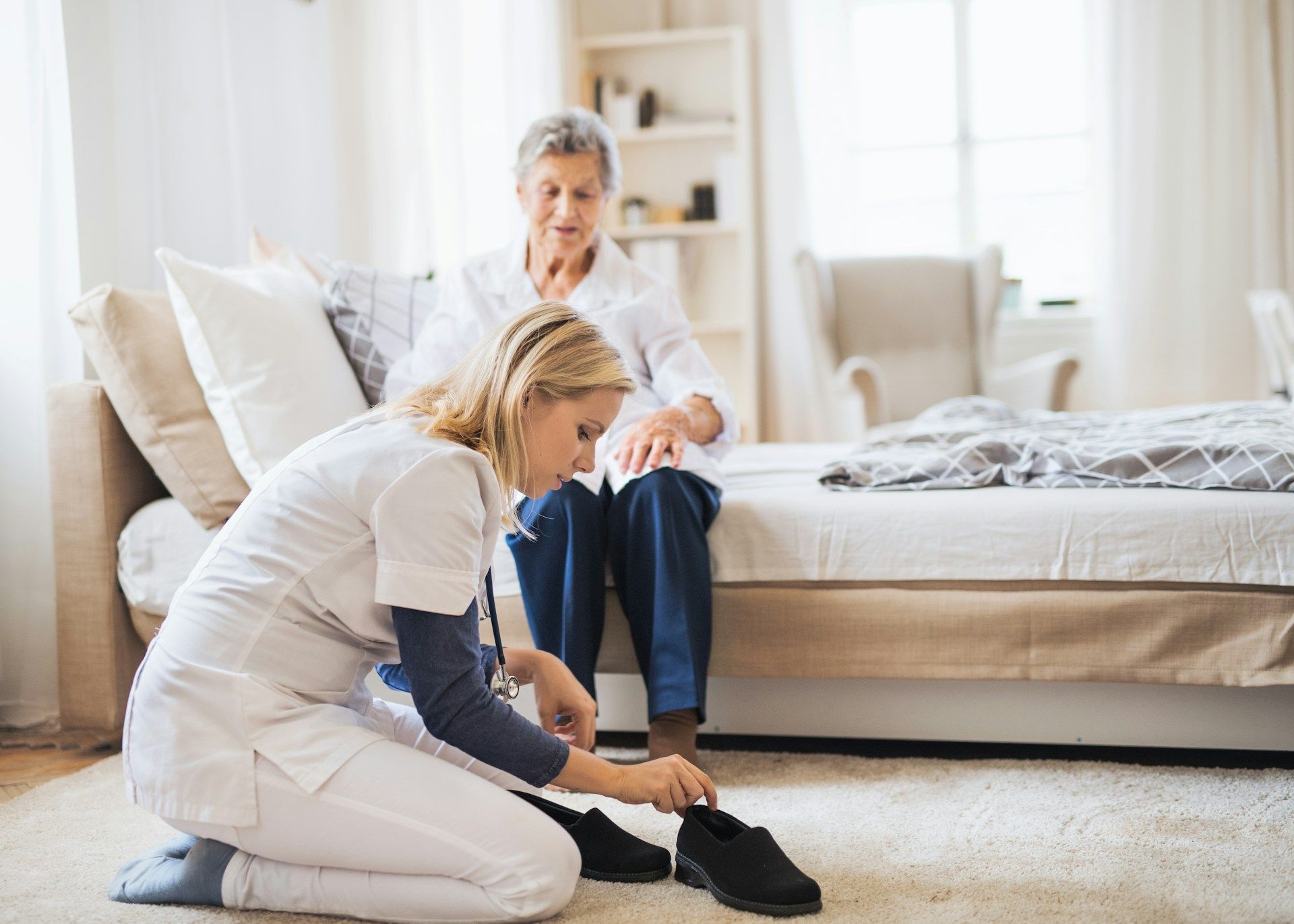
- Choose light, loose clothing and comfortable shoes
- Plan outings in the early morning or later afternoon
- Build in a quiet rest time during the hottest midday hours
- Look for shaded or indoor places when planning activities
These small steps can lower stress on the body and mind, which often leads to calmer behavior.
Recognizing Emotional and Social Changes in Summer
Summer is often full of graduations, parties, visitors, and trips. While these can bring joy, they can also feel like “too much” for some kupuna. Crowds, noise, and changes in routine can lead to agitation or withdrawal.
Emotional triggers might include:
- Feeling left out if family members are busy with travel or activities
- Grief when summer memories bring back thoughts of loved ones who have passed
- Worry about going into crowds after being home more often
Early signs to watch for include:
- Turning down invitations they used to enjoy
- Changes in appetite, eating much less or sometimes more than usual
- Sudden mood swings, such as snapping at family members
- Tearfulness, or seeming down without a clear reason
- Losing interest in favorite hobbies, TV shows, or social time
When we notice these changes, gentle conversation helps. A simple question like, “How are you feeling about all these summer plans?” can open the door. Sometimes kupuna just need reassurance, a quieter corner at a party, or a shorter visit instead of a full-day event.
When Behavior Shifts Signal a Bigger Health Concern
Not every behavior change is a serious problem, but some are strong warning signs. It is important to tell the difference between normal seasonal adjustment and behaviors that suggest a possible medical issue.
Red flags that should prompt a medical check include:
- Wandering or trying to leave home unexpectedly
- Seeing or hearing things that are not there
- Sudden confusion about where they are or who people are
- Major personality changes, such as sudden anger or fear
In summer, certain triggers can bring on fast changes in thinking and behavior. For example, low hydration can lead to urinary tract infections, which often show up as confusion or sudden changes in behavior in older adults. Heat can also interact with some medications, affecting sleep, balance, or mood.
Poor sleep from warm nights may make memory problems worse. A usually steady kupuna may begin to repeat questions, misplace items, or seem more unsteady on their feet. When families see these changes, it helps to involve health providers and, when possible, supportive programs that understand kupuna care in Oahu.
Working together with primary care providers, specialists, and adult day programs can make it easier to sort out what is happening and what steps to take next.
Practical Ways to Support Kupuna Through Summer
There are many simple, daily habits that can help kupuna feel more comfortable and stable during summer.
Helpful strategies include:
- Setting gentle reminders to sip water often, not just at meals
- Planning errands and appointments in the cooler morning hours
- Asking doctors if any medications should be taken at slightly different times in warm weather
- Building in quiet time after busy outings or visits
Families may also create a “summer comfort kit” for their kupuna. This can make leaving home easier and safer. A basic kit might include:
- A refillable water bottle
- A light jacket or cover-up for cool indoor AC
- A hat and sunscreen for outdoor time
- A small personal fan or hand fan
- Sunglasses
- A simple list of emergency contacts
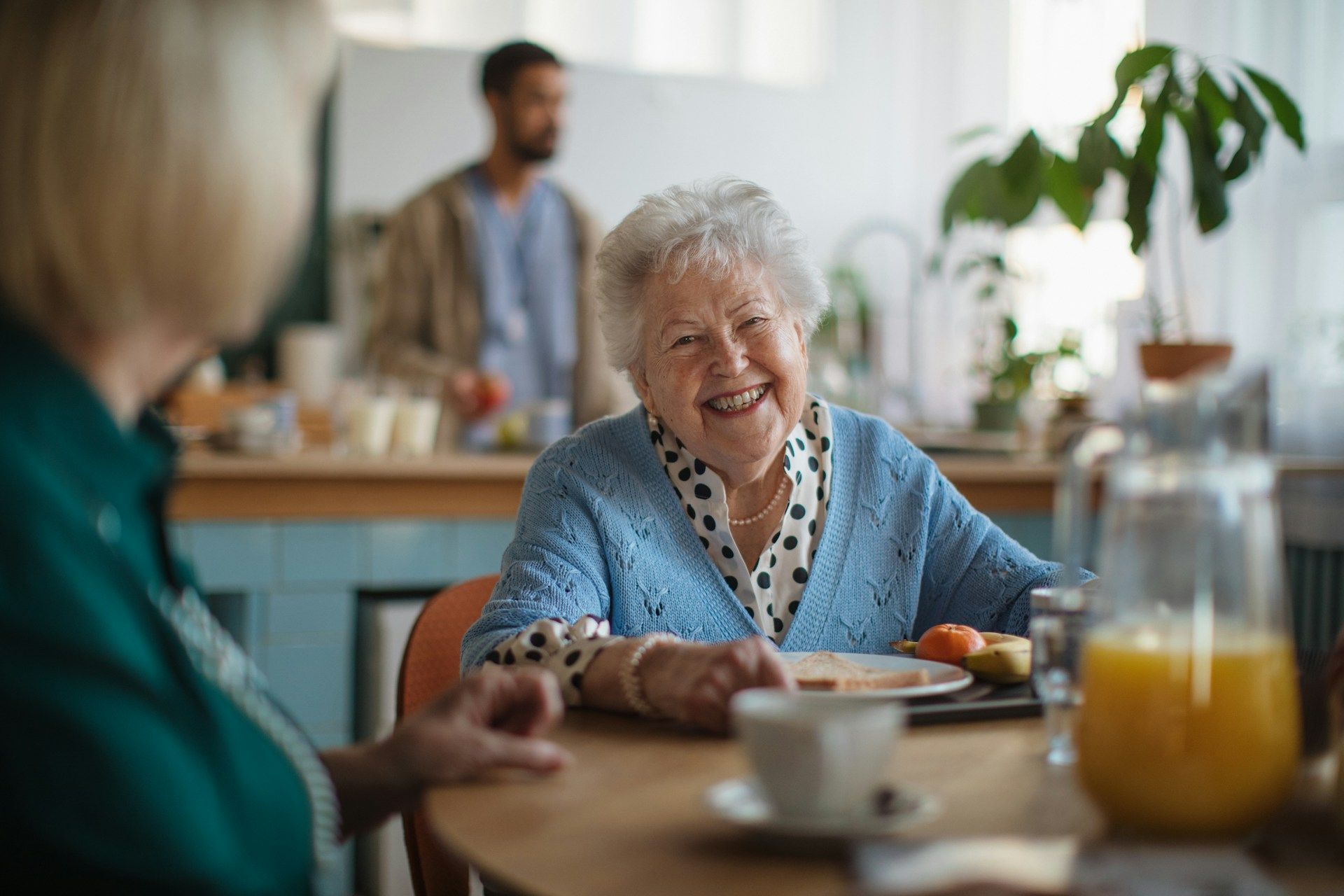
For many families, structured adult day-care is especially helpful on hot or busy days. Kupuna have a safe, air-conditioned space with planned activities, social time, and quiet breaks, while caregivers can work or rest with more peace of mind.
Partnering with Hale Hau’oli Hawai’i for Peaceful Summers
At Hale Hau’oli Hawai’i, we focus on positive aging and support for both kupuna and caregivers on Oahu. We encourage families to pay attention to behavior changes, write down what they notice, and share those notes with health providers and support staff. Patterns over time can tell an important story.
Our adult day programs, caregiver education, and respite services are designed to fit into family life, not add more stress. By building a steady summer routine with safe daytime care, chances to socialize, and time for rest, kupuna often feel calmer and more secure. Caregivers, in turn, can breathe a bit easier, knowing they are not carrying the load alone.
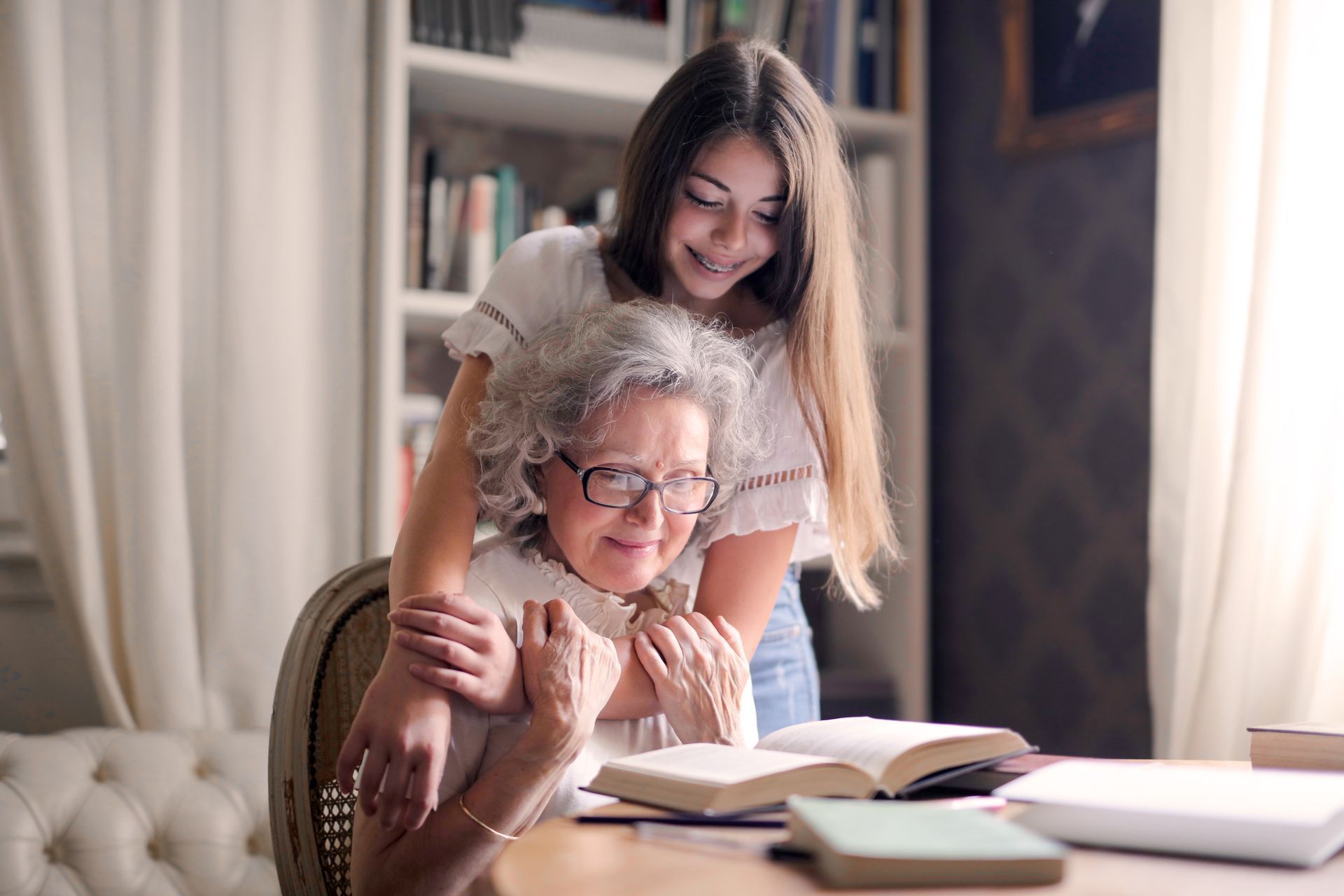
When we work together to notice summer behavior changes early, we can protect health, maintain dignity, and keep kupuna connected to the people and activities they love.
Help Your Kupuna Stay Safe, Comfortable, and Connected
If you are exploring options for compassionate support, our team at Hale Hau’oli Hawai’i is here to guide you through every step of
kupuna care in Oahu. We take time to understand your family’s unique needs so we can recommend care solutions that truly fit your kupuna’s lifestyle and preferences. Reach out today through our
contact us page so we can help you create a safe, dignified plan for the kupuna you love.