Recognizing Hidden Safety Risks When Kupuna Stay Home Alone
When Is It No Longer Safe for Kupuna to Stay Alone?
Many families on Oahu have a kupuna who proudly lives alone and says, "I am fine, I can manage." At first, everything really does look okay. Meals are simple but steady, the house is mostly in order, and conversations feel normal. Then small signs begin to show, like a few missed medications, a light fall that "was nothing," or a confused answer about a recent doctor visit.
These warning signs are easy to brush off, especially when we are busy with work and kids or live far from our loved one. Kupuna want to keep their independence, and family members do not want to upset them. Our goal is to help families notice these hidden safety risks, understand when it may be time for extra support, and see how kupuna care in Oahu can keep loved ones safer while still honoring their dignity and choices.
Subtle Warning Signs Families Often Miss
Trouble at home rarely starts with a big crisis. It often begins with quiet changes in daily life that are easy to overlook during a short visit or a quick phone call.
Some signs in daily routines include:
- Decline in grooming, such as not combing hair, wearing the same clothes for several days, or avoiding showers
- Unfinished meals, old leftovers, or expired food stacking up in the refrigerator
- A once tidy home becoming messy, with piles of unopened mail or unpaid bills
Cognitive and emotional shifts can also show up slowly:
- Increased forgetfulness, like missing appointments, losing keys, or asking the same question several times
- Mood changes such as irritability, anxiety, or losing interest in favorite hobbies or church activities
- Confusion about time of day or season, especially when schedules change around summer visits, parties, or medical appointments
Social isolation is another quiet warning sign. Kupuna may:
- Stop calling or visiting with friends, neighbors, or faith communities
- Avoid inviting anyone over because they feel embarrassed about the house or how they look
- Keep the TV or radio on late into the night just to feel less alone
Any one of these changes might not seem like a big deal. Together, they can show that living alone is getting harder and less safe.
Hidden Hazards in the Home You May Not Notice
Even when a home looks "fine," it can hold risks that grow as balance, eyesight, or memory change. These hazards are often in the most common spaces.
Fall risks in everyday areas can include:
- Slippery tile floors, loose area rugs, or cluttered walkways, especially if kupuna walk barefoot or in slippers
- Poor lighting in hallways, bathrooms, and entryways that makes nighttime trips to the restroom dangerous
- Stairs or step-up entrances without sturdy railings, which become harder to manage with weak muscles or joint pain
The kitchen and medication areas can be especially risky for kupuna living alone:
- Forgetting to turn off the stove or oven, or leaving small appliances plugged in and hot
- Mixing up medications, skipping doses, or accidentally taking them twice when routines change
- Keeping cleaning chemicals, sharp knives, or look-alike containers in easy reach without clear labels
Technology and home security bring their own concerns:
- Confusion using phones, emergency buttons, or remembering how to call for help
- Answering calls from strangers or giving personal information to possible scams
- Leaving doors and windows unlocked or wandering outside, especially in the evening or at night
Many of these risks can be reduced, but they do point to a bigger question: how safe is it for kupuna to be home completely alone for long stretches of time?
Seasonal Risks During Oahu’s Hotter Months
Our islands stay warm year-round, but the hotter summer months can be especially hard for older adults, even inside the home.
Heat-related problems can show up when kupuna:
- Forget to drink enough water or avoid it to cut down on bathroom trips
- Keep windows closed or forget to turn on fans and AC, making rooms stuffy and hot
- Struggle more with heart or breathing problems in warm, humid air
Summer often means school breaks, family visits, or trips off-island. These schedule changes can remove the usual support system, even for a short time. Kupuna may:
- Lose their normal routine when family helpers travel or kids are suddenly home all day
- Feel more confused when church, doctor, or adult day schedules shift
- Skip meals or medications when the timing of the day feels less structured
When kupuna try to stay active outside, other risks appear:
- Falls on uneven sidewalks, steps, or driveways
- Too much sun without a hat, sunscreen, or enough water, especially around midday
- Getting turned around on walks or when using public transportation, especially with early memory loss
Keeping a close eye on these seasonal challenges can help families plan safer support.
When Home Alone Is No Longer Enough
At some point, home alone, with only quick check-ins, may not be safe anymore. It can help to watch for red flags that show the current plan is not working.
Strong warning signs include:
- Repeated falls, trips to the ER, or serious "close calls" like leaving the stove on or getting lost
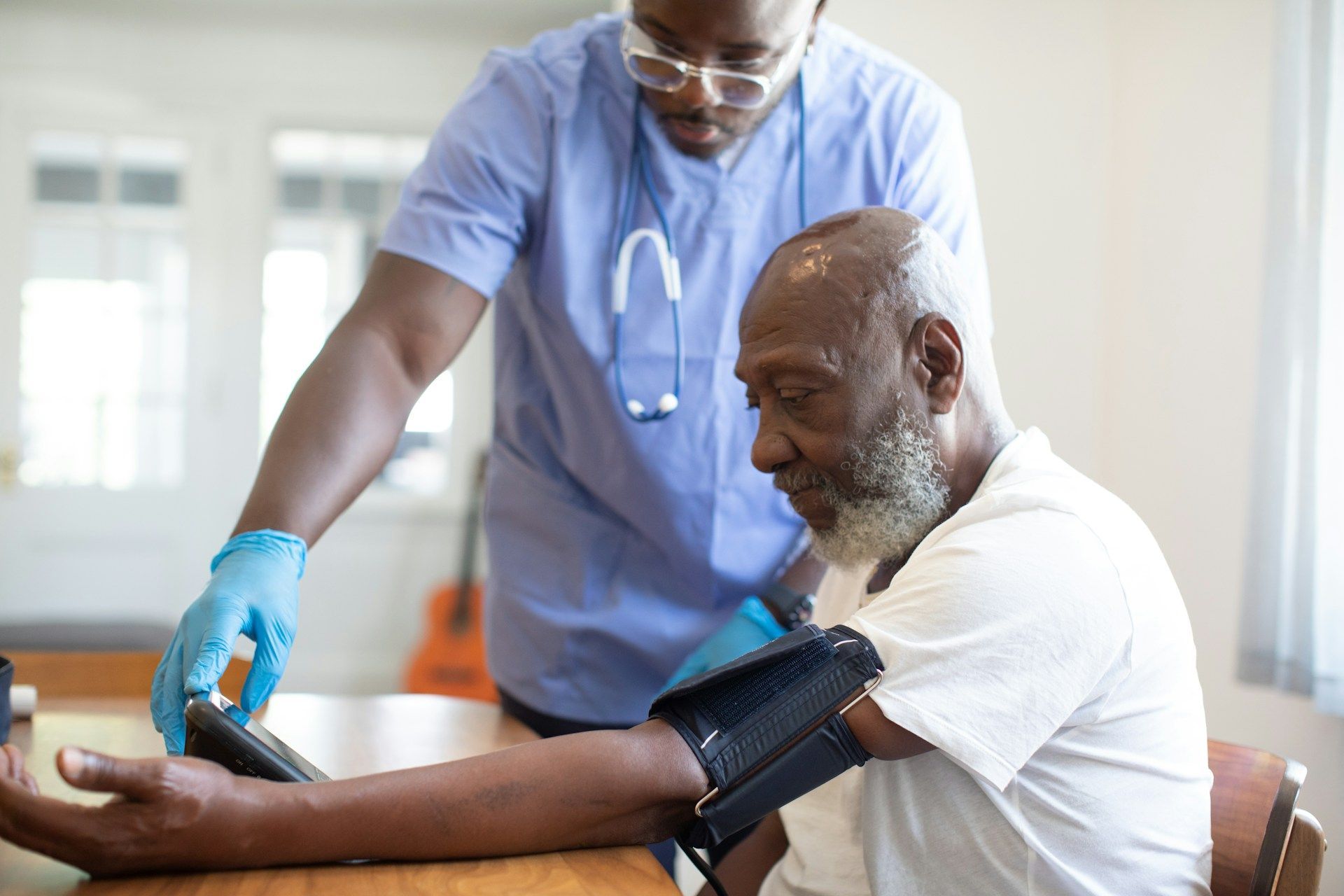
- Sudden weight loss, poor hygiene, or untreated health issues
- Family caregivers feeling worn out, stressed, or pulled between work, children, and kupuna care in Oahu
When these signs appear, families often start to look at added help. Some choices on Oahu include:
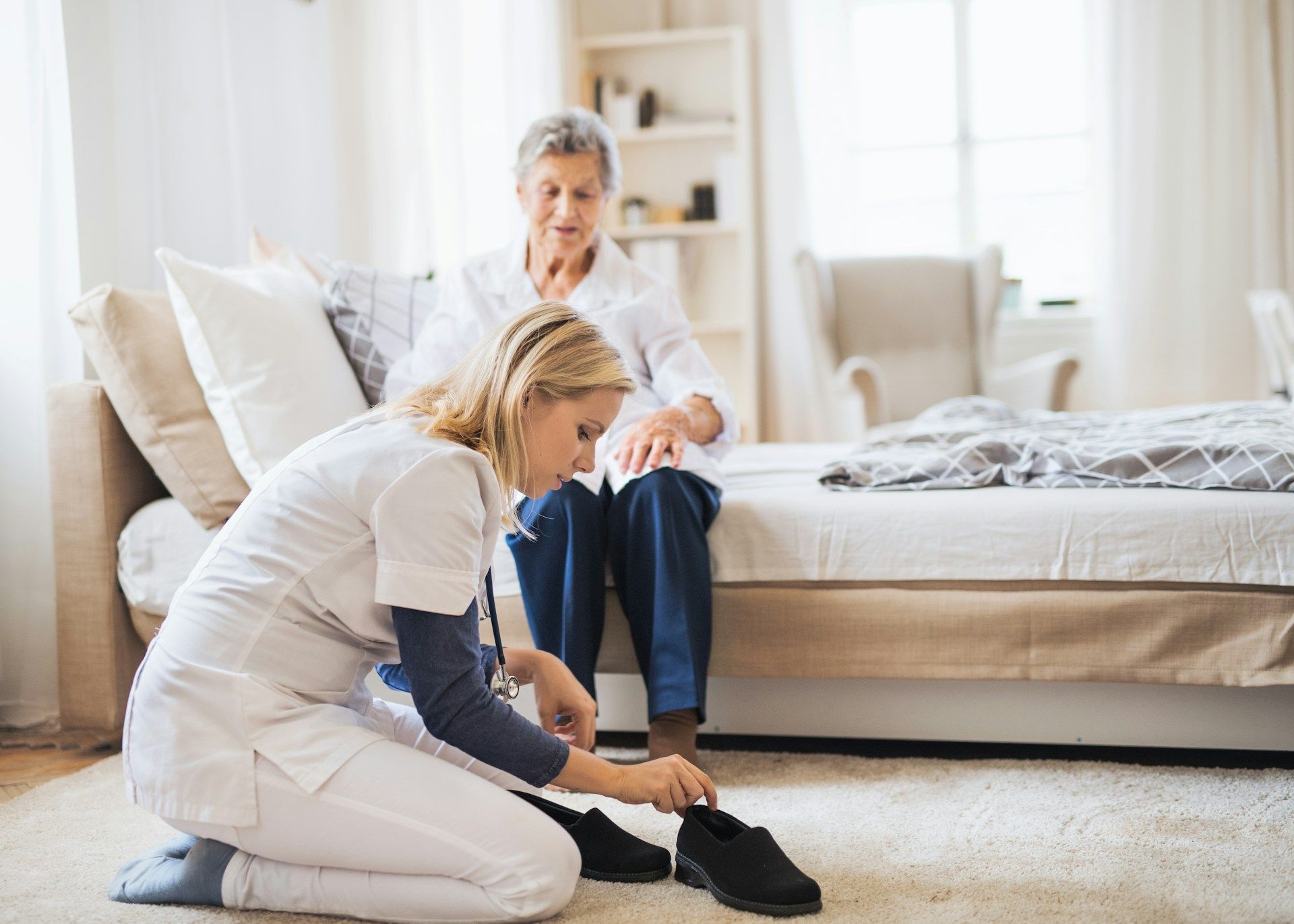
- In-home companions or aides who support with meals, light housekeeping, and personal care
- Community programs such as senior centers, wellness classes, or transportation services
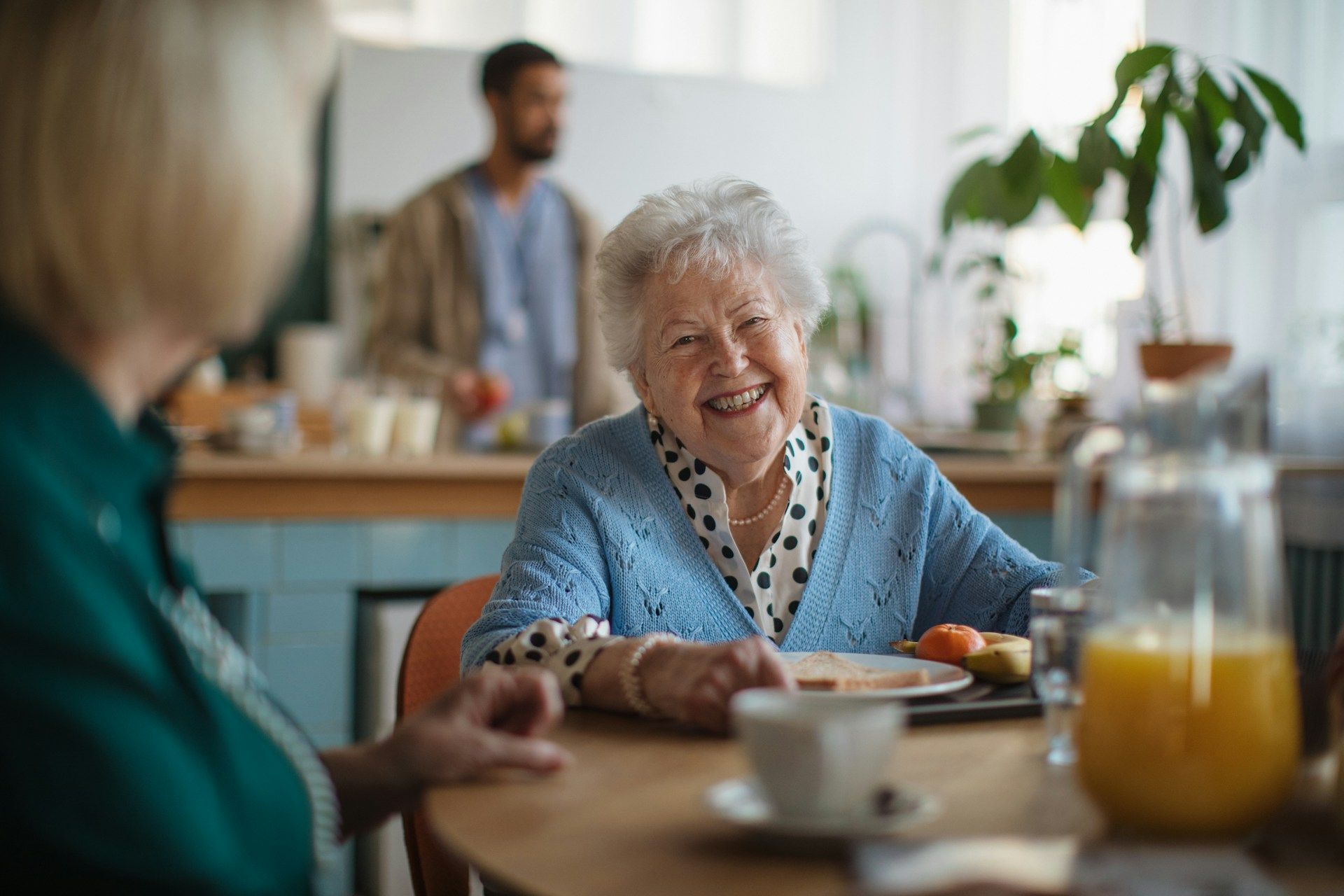
Adult day care is another important option. It lets kupuna stay in their own home, but spend the day in a safe, supervised, and social setting. During the day, they can receive:
- Regular supervision, social time, and activities that support memory, movement, and mood
- Help with medications, meals, and personal care while family members are at work
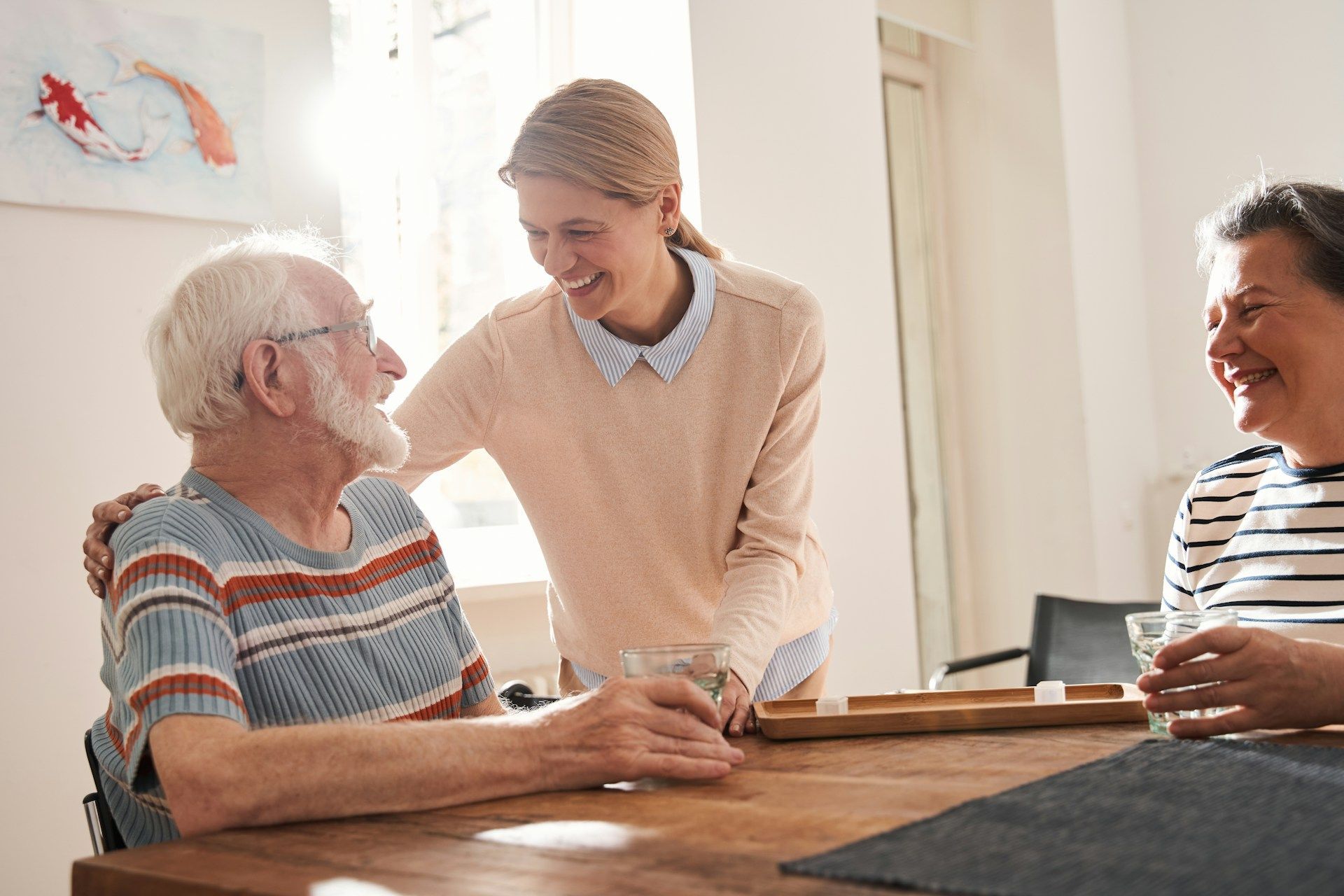
- A setting that respects local culture and values, which can help kupuna feel more at ease
This mix often reduces hidden risks at home, while still honoring a kupuna’s wish to sleep in their own bed at night.
Taking the Next Step to Keep Your Kupuna Safe
Talking about safety can be sensitive. Many kupuna fear losing control over their own lives. The way we start the conversation matters.
It can help to:
- Focus on love and safety, not on what they "cannot do"
- Ask open questions like, "What worries you about being home alone?"
- Involve siblings and extended family so one person does not carry the whole load
There are also simple safety steps families can begin this week:
- Walk through the home together and look for fall risks, poor lighting, and kitchen hazards
- Create or update a medication list and emergency contacts, and keep them posted near the phone
- Try a trial day of adult day services or in-home support to see how your kupuna feels
At Hale Hauoli Hawaii, we see how early planning can prevent crises and help kupuna stay safe, connected, and happy at home for longer. Talking as an ohana, watching for subtle signs, and adding the right support at the right time can make home a place of comfort instead of worry.
Give Your Kupuna the Personalized Support They Deserve
If you are exploring options for trusted
kupuna care in Oʻahu, we are here to walk this journey with you. At Hale Hau’oli Hawai’i, we listen carefully to your family’s needs so we can recommend services that truly fit your kupuna’s daily life and long-term well-being. Reach out today so we can discuss your situation, answer your questions, and create a supportive plan together. You can also
contact us to schedule a conversation at a time that works best for you.