Questioning Senior Programs on Oahu When Kupuna Say No
When Elders Say “No” to Senior Programs in Oahu
When a loved one starts to need more help, many families look at senior programs in Oahu as a way to keep their elders safe and connected. Then the conversation starts, and the answer is a firm, clear “No.” It can feel confusing, scary, and even a little personal. You may wonder if you are pushing too hard or not doing enough.
Many families across Oahu are in this same spot, especially as summer winds down, kids go back to school, and everyone’s schedule fills up again. The good news is that “no” usually has a story behind it. In this article, we will talk about why elders say no, how to talk about support in a kind way, what senior programs in Oahu really look like, and how our team at Hale Hauoli Hawaii walks with families through these hard choices.
When “No” Really Means “I’m Not Ready”
Caregivers often hear “I’m fine” or “I can manage” even when it is clear that things are getting harder at home. That “no” is often rooted in deep love for home, for routine, and for family. Leaving the house, even for a few hours, can feel like leaving a piece of themselves.
Many elders are thinking things like:
- If I go to a program, does that mean I am weak?
- Will my family stop visiting me as much?
- What if people there do not understand my culture or language?
- What will happen to my pet, my plants, or my daily habits?
Underneath the refusal, there can be fear of change, worry about becoming a burden, or shame about needing help. As fall events, sports, and holiday planning start to stack up, caregivers may feel pressure to solve everything quickly. It helps to pause and remember that this is a big emotional step for your elders too.
Our first job as caregivers, and as a community, is to listen for what the “no” is trying to protect, not just what it seems to block.
Why Elders Refuse Help Even When They Need It
There are many reasons elders may turn down help, even when daily tasks are getting harder. Some are emotional, some are cultural, and some are very practical.
Common emotional reasons include:
- Fear of losing independence or control
- Pride in having “done it myself” for a lifetime
- Anxiety about being around strangers
- Worry about looking weak or “forgetful”
Culture matters too. In local Hawaiian and Asian families, it is common to believe that family should care for family at home. Many elders do not want to “make trouble” or “be a bother,” so they say no to anything that feels like extra work for their children or grandchildren.
Practical worries also play a big role:
- How will I get there and back?
- Will anyone speak my language or understand local style?
- What will happen if I need to use the bathroom or rest?
- Will I be stuck there all day with nothing to do?
Seasonal changes can add more stress. Shorter days, more visitors, and holiday-related noise can increase confusion and tiredness. When a person already feels unsteady, any new thing can feel like “too much.” Often, “no” is really “I am scared” or “I do not understand what this is.”
Seeing Senior Programs in Oahu Through Their Eyes
Many people still picture senior programs as cold, medical places. From an elder’s point of view, that can be very frightening. The reality on Oahu can be very different.
Senior programs can be:
- Warm, homelike spaces with places to relax
- Social settings with small groups and familiar faces
- Centered on culture, music, and food that feel like home
- Focused on what elders can do, not what they cannot
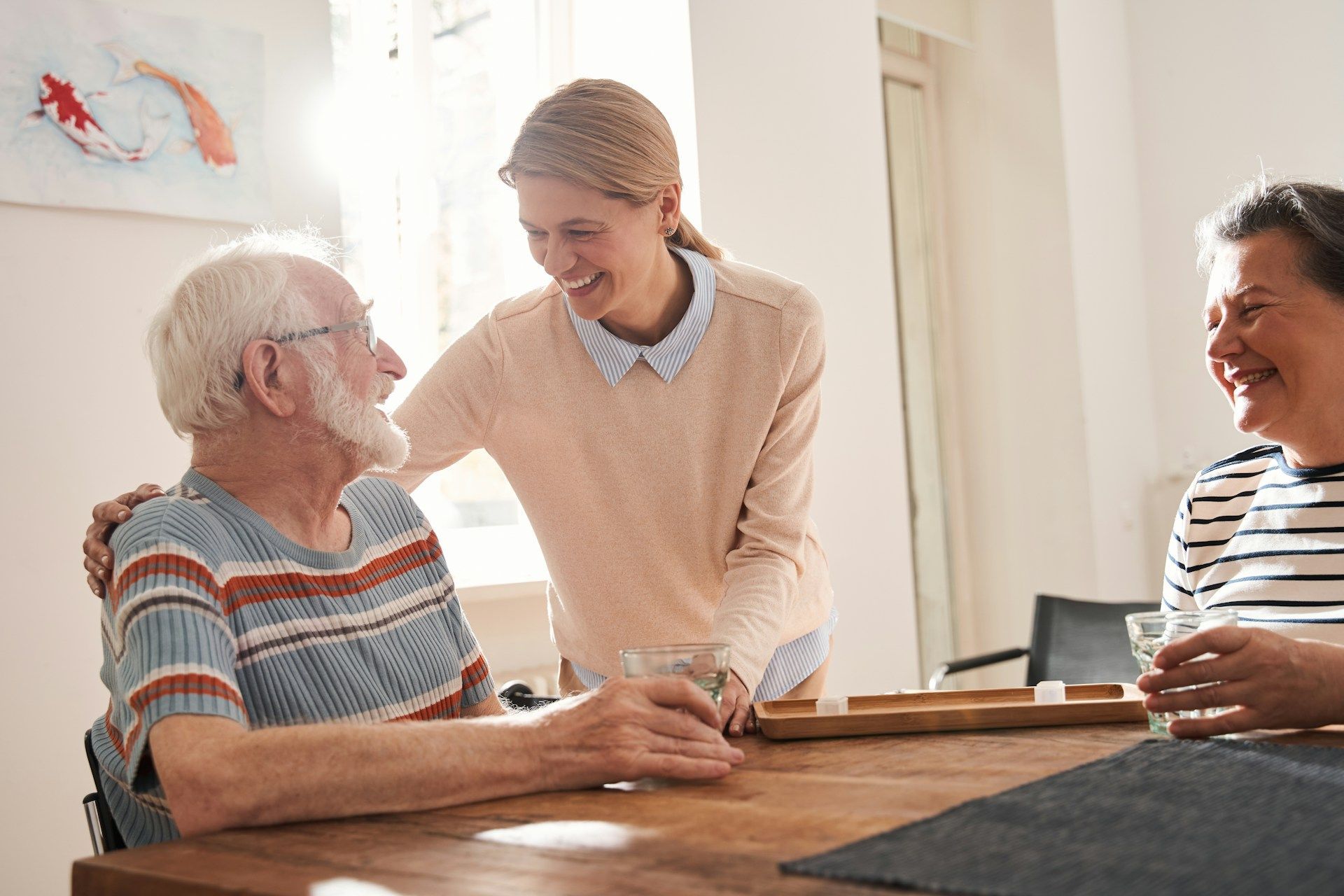
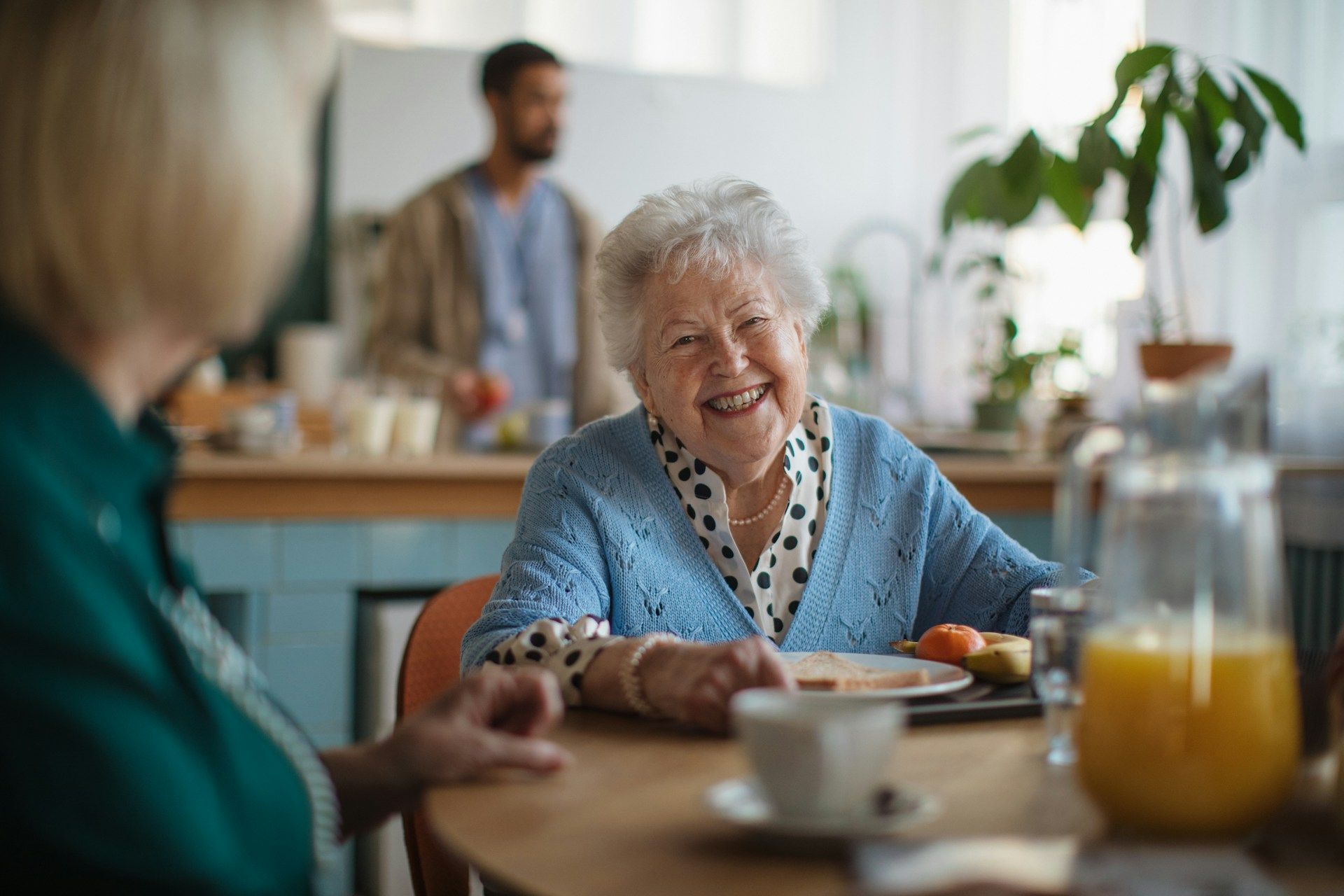
Activities might include Hawaiian music, traditional Hawaiian dance, local foods, crafts, gentle chair exercises, and time to talk story. For many elders, this can feel more like visiting extended family than “going to a facility.”
It also helps to clear up a big myth: adult day care is not a nursing home. Participants come for part of the day, then go back to their own homes and families. At Hale Hauoli Hawaii, we design our adult day care to feel like extended family, with respect for each person’s history, culture, and daily rhythm.
How to Talk with Elders When They Say “No”
The way we talk about support can change everything. Pushing, arguing, or deciding for your elders usually makes the “no” even stronger. Instead, try slowing down and making space for their feelings.
Helpful communication ideas:
- Listen first, speak second
- Ask open questions like “What worries you about trying a program?”
- Reflect what you hear: “It sounds like you are afraid we will stop visiting.”
- Thank them for sharing, even if you do not agree
Timing matters too. Choose a calm time of day, not when anyone is rushed, hungry, or tired. With back-to-school, sports, and fall events, it may help to bring up the topic for a few minutes at a time, then pause and come back to it later.
You can also:
- Visit a center together for a quick look, with no pressure to stay
- Meet the staff and see other elders enjoying activities
- Try a short trial day instead of a full schedule
- Involve a trusted doctor, faith leader, or longtime friend who can share their thoughts
Gentle phrases that keep dignity at the center include:
- “Let us just go look together and see how it feels.”
- “You are not deciding today, we are only gathering information.”
- “I want you to have more fun during the day, not less independence.”
- “We are on the same team, we both want you to stay at home as long as possible.”
Finding the Right Senior Support on Oahu
Not every program is right for every person. The good news is that Oahu has different kinds of support, so families can look for a good fit instead of trying to force one option.
Support options may include:
- Adult day care programs
- Short-term respite options
- Support groups for caregivers
- Community education and training for families
When you visit senior programs in Oahu, pay attention to:
- Safety and cleanliness
- How staff talk with elders, with kindness and patience
- Activities that match your loved one’s interests
- Cultural respect, language comfort, and island-style hospitality
- Transportation help or clear plans for drop-off and pick-up
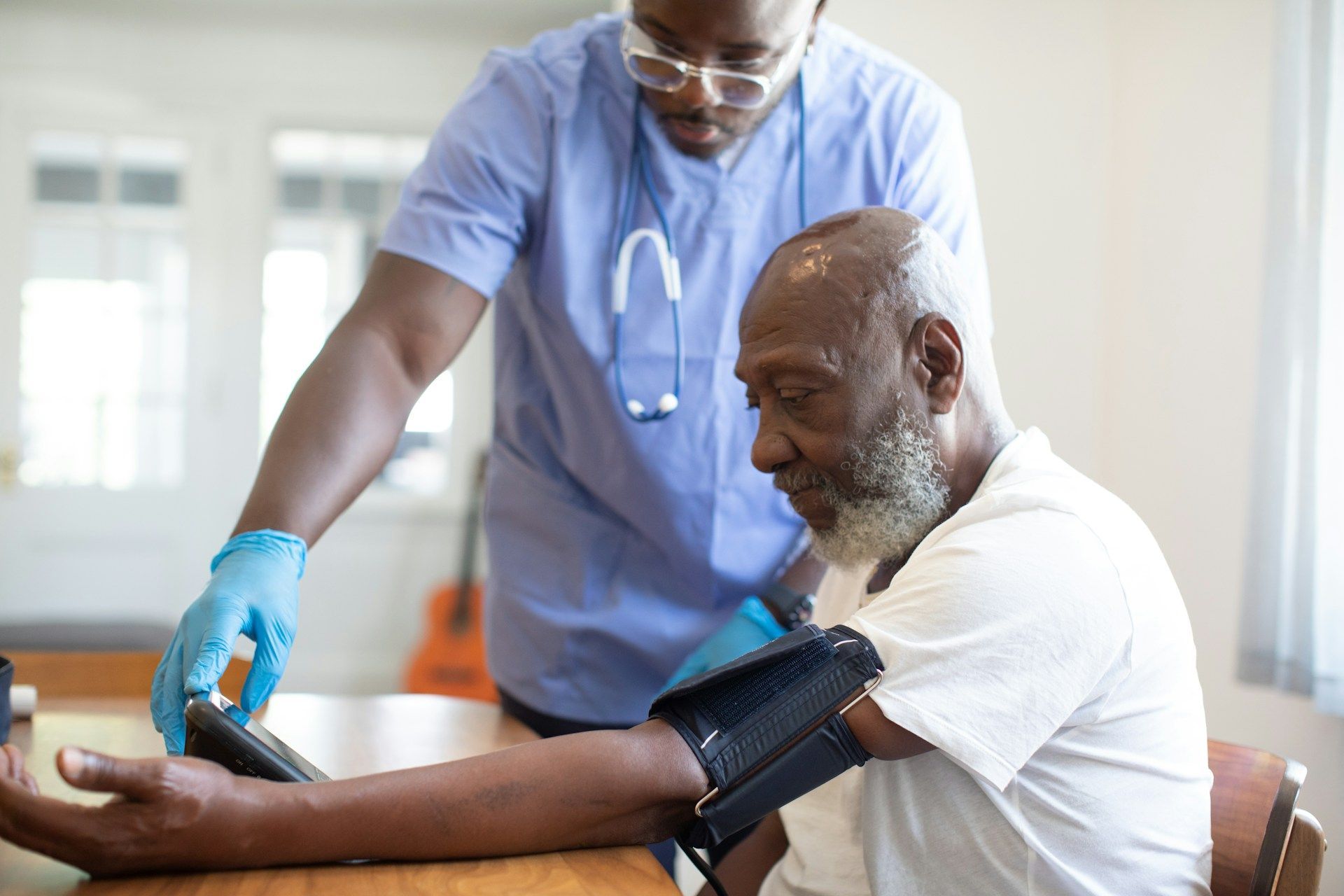
Think about your elder’s personality. Do they like quiet or lots of social time? Do they need memory support, help with walking, or closer health oversight? Late summer and the busy months that follow can bring more traffic, more events, and more caregiving stress. Having the right support can give both the caregiver and the elder breathing room.
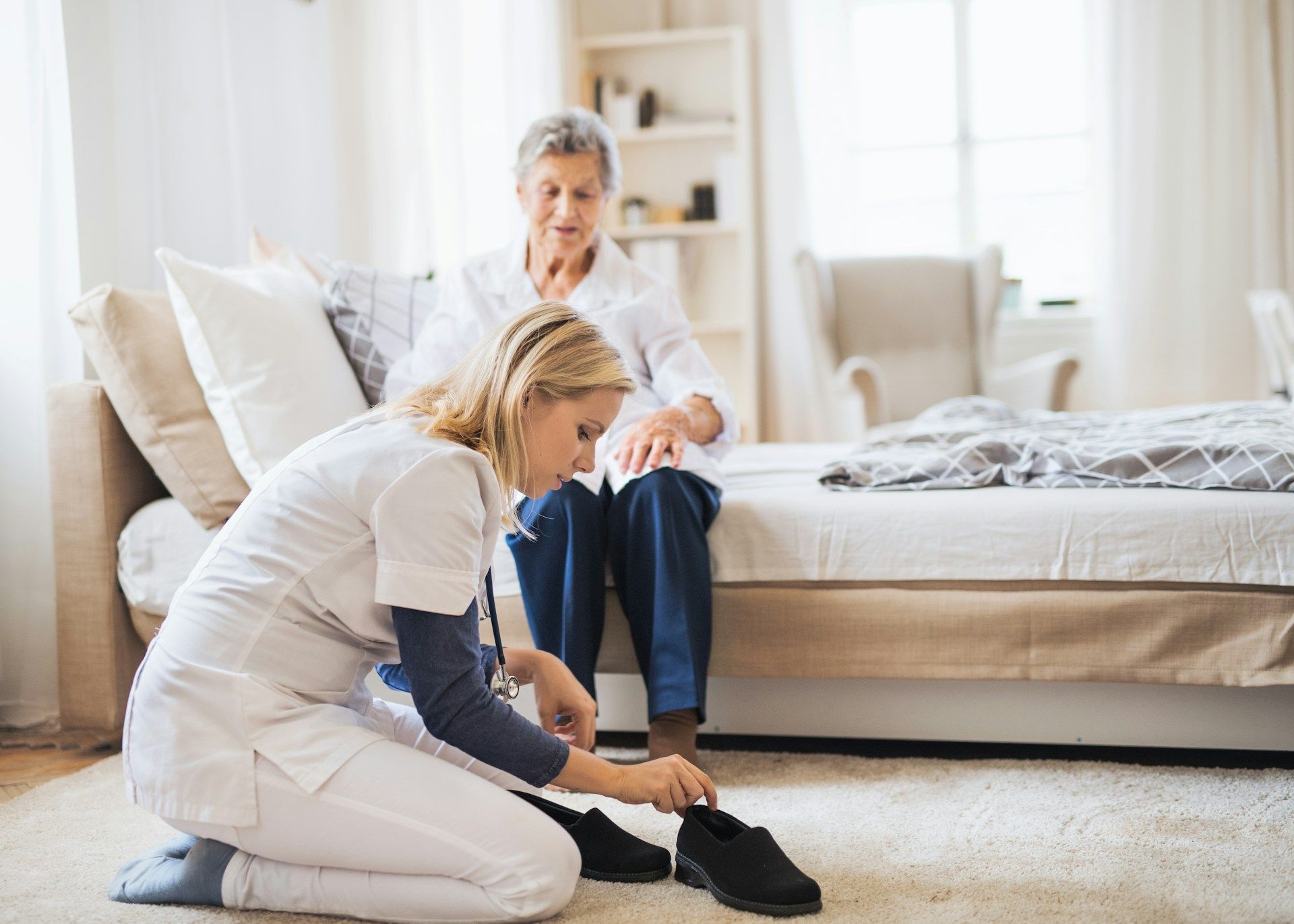
At Hale Hauoli Hawaii, we focus on both sides, the elder who needs a safe, engaging place during the day, and the caregivers who need education, support, and a chance to rest and recharge.
Taking the Next Step with Confidence and Compassion
A firm “no” from your elder is not the end of the story. It is the start of a longer, more careful conversation about what they value, what you see, and how you can meet in the middle. When we shift from “How do I get them to agree?” to “How can we walk together toward what keeps them safe and happy?” the pressure eases a little.
At Hale Hauoli Hawaii, our heart is to help elders thrive while staying connected to their homes, families, and communities. Senior programs in Oahu are not about taking someone away from family. With the right support, many elders can actually keep their independence longer. With patience, good information, and a strong circle of community support, families can find a path that honors both the wishes of elders and the well-being of the caregivers who love them.
Keep Your Loved One Engaged, Connected, and Cared For
At Hale Hau’oli Hawai’i, we make it easier for families to find meaningful daytime support that keeps seniors active and socially connected. Explore our
senior programs in Oahu to discover options that fit your loved one’s interests, abilities, and schedule. If you are ready to talk through the next steps or have questions about enrollment, please
contact us so we can help you plan the right level of care.