Life Transitions Care Map for Oʻahu Families After Discharge, Diagnosis, or Loss
Life Transitions Care Map for Oahu Families
Life can change very quickly for our elders. One day things feel steady, and the next there is a hospital stay, a new diagnosis, or the loss of a spouse. These moments touch the whole family and can leave everyone tired, worried, and unsure what to do first.
At Hale Hauoli Hawaii, we see how helpful it is when families have a simple plan for these changes. In this article, we will talk about how to build a “life transitions care map” for your elder. We will walk through the days after a hospital discharge, what to do after a new diagnosis, how to support a surviving spouse, and how to build a steady care team on Oahu.
Build a Care Map Before Crisis Hits
A life transitions care map is a simple, visual plan for your elder’s next season of life. It does not have to be fancy. Think of it as a one-page picture of how medical care, daily routines, cultural practices, emotions, and community resources all connect.
Common transitions for elders on Oahu include coming home from the hospital, getting a new diagnosis like dementia or a chronic illness, and losing a spouse or long-time partner.
Planning before or right after a big change can bring several clear benefits:
- Lower stress for everyone in the family
- Cut down on confusion about medications and appointments
- Make it less likely that your elder will end up back in the ER
- Help caregivers feel prepared instead of alone and overwhelmed
Late summer is a natural time to reset. Kids are going back to school, holidays are not far away, and schedules start to fill up. This is a good moment to pause and update your care map before life gets even busier. As a local nonprofit on Oahu, we focus on elder caregiver support in Oahu through daytime programs, caregiver education, and help finding community resources.
Map the First 72 Hours After Hospital Discharge
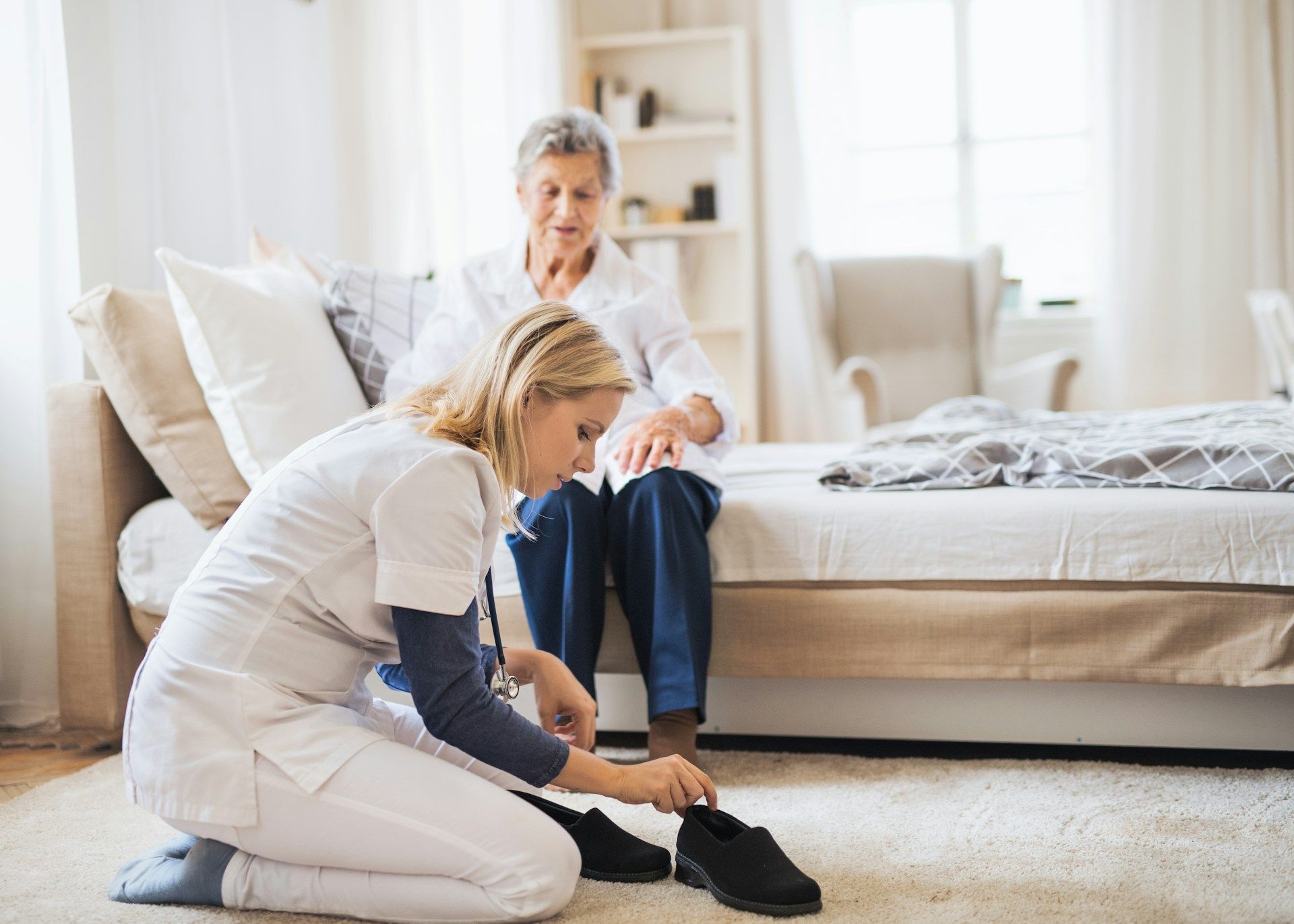
The first two or three days at home after a hospital stay can be very risky. Your elder may be weak, unsteady, or confused by new medicines. A clear plan for those first 72 hours can help prevent falls, wrong doses, and repeat hospital visits.
On discharge day, it helps to use a simple checklist and get clear, written answers before you leave:
- Ask about medications: what is new, what stopped, what changed, and when to take each one.
- Ask about activity: walking limits, lifting limits, and what is safe to do alone.
- Ask about warning signs: what is normal healing and what is an emergency.
- Confirm follow-up appointments and who to call 24/7 with questions.
- Get written instructions and a printed medication list to take home.
Before your elder comes home, aim to set up the space so daily movement and rest are safer and easier. That usually means arranging safe transportation (not just a quick drop-off at the curb), clearing walkways of clutter, loose rugs, or cords, and making the bathroom as safe as possible with grab bars or a stable chair if needed. It also helps to set up a resting area with water, tissues, and a place to keep medicines nearby so your elder is not repeatedly getting up and down.
For recovery to go smoothly, it also helps to think in advance about who will be on the “post-discharge team”:
- Primary care doctor
- Specialists, like a heart or lung doctor
- Pharmacist who can review all medicines together
- Home health nurse or therapist if ordered
- Trusted family or friends who can stay or check in often
Adult day care can also be part of recovery. A good day program offers social time, light activities, and supervision during the day. This can help elders stay active and engaged while giving family caregivers time to work, run errands, or rest.
Whenever you can, try to set up follow-up visits, therapy, and any home safety checks before the discharge date. That way you are not scrambling once your elder is already home.
Creating a Care Map After a New Diagnosis
Hearing “You have dementia,” “You have Parkinson’s,” or “You have heart failure” can shake a family. People often feel shock, sadness, fear, and sometimes even relief to finally have an answer. All of these feelings are normal.
You can start turning that new diagnosis into an action plan by taking a few practical first steps:
- Learning the basics of the condition from trusted sources
- Asking the doctor what to expect now and what may change later
- Writing down questions as they come up, so you remember to ask
From there, it often helps to sort what’s changing into two timeframes so the situation feels more manageable. The “immediate changes” might include new medicines, diet changes, safety issues at home, or driving limits. The “long-term changes” might include future housing needs, extra help at home, behavior changes, and support for the main caregiver.
It also helps to know clearly who does what on the medical and support side, so the family is not guessing or duplicating effort:
- Primary care provider handles overall health and coordinates care
- Specialists focus on the specific condition
- Therapists support movement, speech, or daily tasks
- Counselors or support groups help with emotions and stress
Written tools help keep everyone on the same page, especially when multiple family members are helping:
- A simple care map drawing that shows doctors, family, and community programs
- A medication chart with times and doses
- An emergency info sheet on the fridge
- A shared calendar for appointments, respite days, and classes
For elder caregiver support in Oahu, education and respite are very important. At Hale Hauoli Hawaii, we offer caregiver workshops on dementia and behavior changes, support groups, and daytime programs so caregivers can keep their own appointments or simply rest.
Early legal and financial planning is also kind to your future self. While your elder can still share their wishes, it helps to talk through a few key areas:
- Advance directives and who should speak for them
- Powers of attorney for health and money decisions
- How adult children or other family members can help in a way that feels respectful
Life After the Loss of a Spouse
When an elder loses a spouse, the change reaches every corner of life. Routines shift, the house feels quieter, and paperwork and bills can be confusing. Health can also be at higher risk because of stress, poor sleep, and loneliness.
A gentle, phased approach can help. In weeks 1 to 4, focus on stabilizing daily life and making sure the basics are covered:
- Focus on safety first: Is the home safe? Are there regular check-ins?
- Make sure basic needs are met: food, water, medications, and clean clothes
- Keep bills and important papers in one simple folder
- Offer presence more than advice; sit, listen, and be there
In months 2 to 6, families often have a bit more breathing room to reassess what support will make life feel sustainable:
- Reassess the living situation and transportation needs
- Look at social connections: friends, neighbors, faith groups
- Keep up with health appointments and medicine routines
- Consider extra support like adult day care, home help, or counseling
On Oahu, family and culture are strong. Still, family members may be working, raising children, and carrying their own grief. When that happens, it can help to widen the circle so support does not depend on just one person. That circle can include the following:
- Faith and community groups
- Bereavement counselors or support groups
- Day programs that give structure, fun activities, and new friendships
A regular adult day program can become part of the surviving spouse’s new routine. It gives them purpose and connection during the day, and brings peace of mind to their family.
Building Your Oahu Care Team and Resource Network
No caregiver should carry everything alone. A healthy care team shares the load so one person does not burn out. On Oahu, your care team might include:
- Family and close friends
- Doctors, nurses, and therapists
- Social workers and case managers
- Senior centers and elder clubs
- Adult day care and transportation services
- Spiritual leaders and cultural practitioners
Once you’ve identified the people and programs involved, it can be easier to manage them by grouping resources by purpose:
- Medical and rehab: hospitals, clinics, home health, and therapy
- Daily living support: meals, rides, in-home help, medical equipment
- Emotional and spiritual care: counseling, faith communities, traditional healing
- Community programs: senior activities and programs such as those at Hale Hauoli Hawaii
Elder caregiver support in Oahu is not just direct care. It also includes caregiver training, short breaks, and help connecting to the right programs at the right time. A few simple tools can make coordination easier:
- A shared contact list with doctors, neighbors, and key services
- A central binder or digital folder for medical papers and legal forms
- A “who to call first” list for health problems, transportation issues, money concerns, or emotional crises
Late summer and early fall are good times to review a few seasonal planning areas that can affect routines:
- Hurricane and emergency plans
- Transportation plans for days with less daylight
- Holiday schedules that might change routines or caregiver availability
Take the First Step and Personalize Your Care Map
You do not have to create a perfect care map all at once. Start with the transition that feels most pressing right now: a recent hospital stay, a new diagnosis, or the loss of a spouse. One small step can already ease stress.
If you want a simple place to begin, this starter checklist can help you turn concern into action:
- Write down three current concerns about your elder’s safety or daily life
- List three people or groups on Oahu you can call for support this month
- Choose one day on the calendar to review your plan with Hale Hauoli Hawaii or another trusted resource
Most of all, try to include your elder in decisions as much as possible. Ask about their values, cultural practices, and favorite routines. When we listen and plan together, the care map becomes more than a list of tasks. It becomes a path that honors who they are, keeps them as safe as possible, and gives the whole family more peace.
Find Personalized Support For Your Caregiving Journey
If you are feeling overwhelmed or unsure of the next step, we are here to walk alongside you with compassionate guidance and practical resources. Learn how our
kupuna caregiver support in Oahu can help you care for your loved one while also caring for yourself. At Hale Hau’oli Hawai’i, we listen to your unique situation and tailor options that fit your family’s needs. Reach out through our
contact page to start a conversation today.