O‘ahu Aging-in-Place Activity Plans: Match Supports by Mobility and Safety
Aging in place on Oahu means our kupuna can stay in the homes and neighborhoods they love, close to family, church, and familiar beaches and parks. Medical care is important, but a thoughtful daily activity plan is just as important for keeping kupuna safe, calm, and joyful at home.
At Hale Hauoli Hawaii, we see how the right mix of activities, support, and rest can make the difference between a stressful week and a smoother one. This guide walks through what we call activities-to-supports matching. That means choosing senior activities in Oahu based on mobility, memory, transportation, caregiver schedule, and home safety. As we head into fall and the holiday season, we know traffic, events, and darker evenings can make planning even harder, so let us keep things simple and practical for you.
Help Your Kupuna Stay Home Safely and Joyfully
Aging in place works best when daily life feels predictable and peaceful. That is where activity plans come in. They give structure, social time, and purpose, not just empty hours in front of the TV.
A good plan pays attention to how steady your kupuna moves, how well they remember and follow steps, and how they get around the island. It also needs to reflect when caregivers are home, at work, or stuck in traffic, and how safe the home is during both busy and quiet times.
When we match activities to these areas, we lower risk and raise the chances for happy moments, even on long days. You will also see clear red flags that tell you it might be time for adult day care or in-home help.
Start with a Clear Picture of Your Kupuna’s Needs
Before picking activities, pause and look closely at what each day actually looks like. Five key factors guide your choices:
- Mobility, walking, getting in and out of chairs or bed, balance, stairs
- Cognition, memory, judgment, ability to follow directions and stay on task
- Transportation, driving, TheBus, Handi-Van, ride-share, or family rides
- Caregiver schedule, work hours, school runs, shift work, church and errands
- Safety, fall risk, wandering, cooking and appliance use, home layout
A simple home check-in can help you see patterns you might otherwise miss. On one weekday and one weekend day, loosely track the following:
- When your kupuna is active or moving
- When they seem bored, sleepy, or restless
- Any moments of confusion, like not knowing what time it is
- Any near-misses, like tripping, leaving water running, or door left open
Then talk together about what you noticed. Ask how they feel about being alone, whether they want more company, and how they feel about going out as holidays and evening events pick up. Many kupuna will say they are “fine,” so share what you observed gently and listen for worries behind the words.
Matching Safe Activities to Mobility and Cognition Levels
Once you have a clear picture, you can choose activities that fit instead of forcing things that feel tiring or confusing. The goal is to keep days engaging without increasing fall risk, frustration, or exhaustion.
For kupuna with strong mobility and mild or no memory issues, try:
- Neighborhood walks during cooler hours
- Senior activities in Oahu like community center classes, hula, tai chi
- Cultural or church groups with flexible attendance
- Light volunteer roles such as greeting, folding bulletins, or simple prep
For those with limited mobility but good thinking skills, focus on purpose from a chair:
- Seated stretching or gentle exercise with music
- Music programs or sing-alongs with familiar Hawaiian songs
- Zoom church or club meetings from the living room
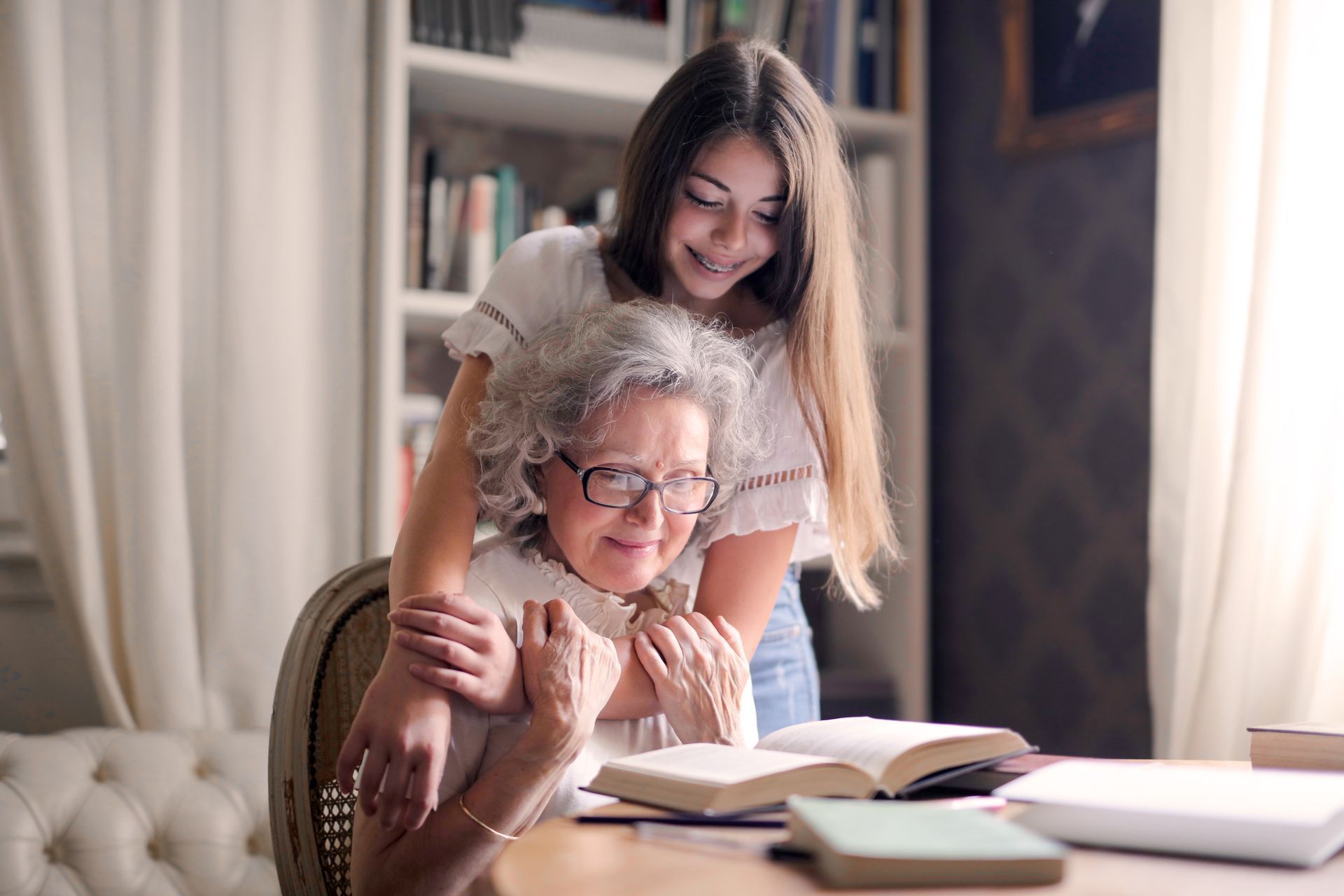
- Simple crafts, card writing, or photo and memory book organizing
For kupuna with dementia or significant memory loss, keep things calm and repetitive:
- Folding towels or washcloths, matching socks, sorting shells or buttons
- Listening to Hawaiian music or old favorites from their youth
- Looking at family photo albums or picture books of local places
- Very simple “helping” jobs like wiping a table or sorting plastic utensils
Red flags in this area include:
- Frequent falls or near-falls, even with help
- Getting lost on familiar walks or in the building
- Forgetting to use walkers or canes they need
- Agitation or anger during very simple tasks
When you see these signs, it is time to add more supervision, such as adult day care where activities and safety are guided by trained staff.
Planning Around Transportation and Busy Caregiver Schedules
On Oahu, traffic, long bus rides, and limited parking all shape what is realistic. A great senior class does not help if no one can get your kupuna there safely and on time. This is why many families do best with different plans for weekdays and weekends, based on who is available and what travel is manageable.
For example, a weekday might look like:
- Morning, light stretching, breakfast, personal care at home
- Midday, adult day care program or in-home companion visit
- Evening, quiet time with family, simple games, or TV together
On weekends, caregivers may be home more, so outings can shift to:
- Short drives to favorite parks, farmer’s markets, or church
- Family visits earlier in the day, before everyone gets tired
- Afternoon rest with music, movies, or phone calls to relatives
Transportation options to consider include:
- TheBus and Handi-Van for those who qualify and can manage the ride
- Rides shared between family, neighbors, and faith communities
- Ride-share services, if getting in and out of cars is safe
Adult day care programs often help families think through safe transportation plans and timing, especially when caregiver schedules are tight.
Red flags here include:
- Missed medical or therapy appointments
- Cancelled outings because caregivers are too exhausted
- Kupuna sitting alone most of the day with no real interaction
- Driving incidents, tickets, fender benders, or getting lost in traffic
These are strong signs that a structured daytime program or in-home support is needed.
Safety First: Home Modifications and When Home Alone Is Not Enough
Even the best activities will not work if the home itself is not safe. Simple changes can lower fall risk and prevent emergencies, and they often make daily routines less stressful for both kupuna and caregivers.
Basic home safety steps:
- Clear walkways and remove clutter from floors
- Add grab bars in bathrooms and non-slip mats
- Improve night lighting in hallways and bathrooms
- Remove or secure loose rugs and cords
- Use shower chairs, raised toilet seats, or other adaptive tools as needed
Technology can provide extra support:
- Medication reminder systems or pill boxes
- Stove shut-off devices or covers for knobs
- Door alarms or alerts if wandering is a concern
- Regular check-in calls or cameras, used with respect and consent
During fall and winter holidays, homes get busier, and routines can shift. Extra visitors, decorations, cords, and later nights can confuse kupuna and raise fall risk, so it helps to plan quieter spaces and stick to simple routines when possible.
Red flags that home alone is no longer safe:
- Leaving the stove on or food burning
- Burns, unexplained bruises, or frequent bumps
- Wandering outside or trying to leave at odd hours
- Repeated 911 calls or neighbors finding your kupuna disoriented
These signs call for an immediate safety review and likely daily adult day care, in-home supervision, or both.
How to Tell When It’s Time for Adult Day Care or In-Home Help
Beyond physical safety, emotional strain is a clear signal. Watch for increased loneliness, sadness, or anxiety in your kupuna, as well as irritability or impatience from caregivers. If you notice frequent arguments about staying home versus getting more help, that tension is often your system telling you it needs more support.
Practical warning signs include:
- Unpaid bills or stacks of unopened mail
- Spoiled food in the fridge, or no simple meals ready
- Poor hygiene, strong body odor, or wearing the same clothes for days
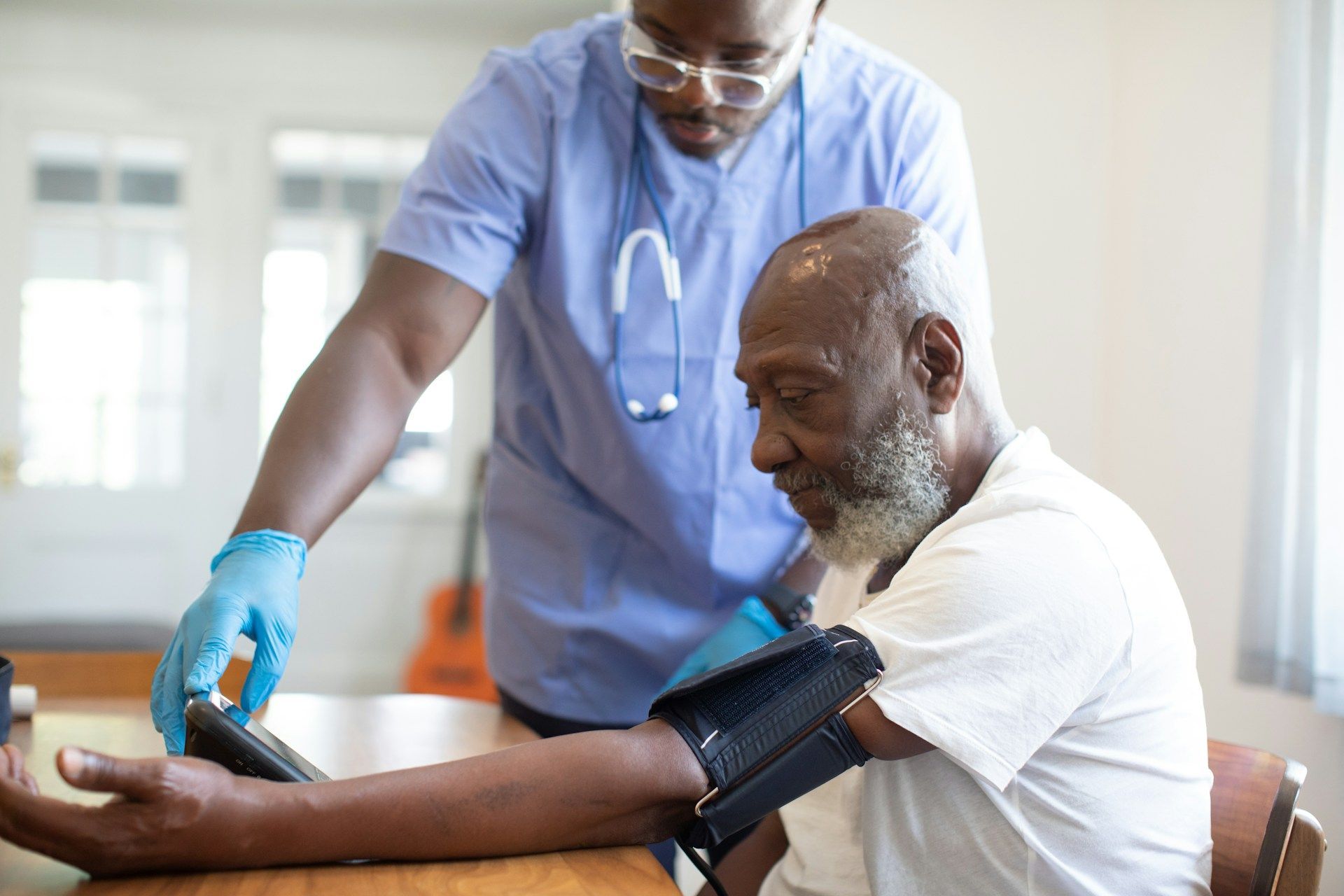
- Missed or doubled medications
- Evening restlessness or wandering, sometimes called sundowning
Adult day care is often a good fit when:
- Your kupuna is mostly safe at night
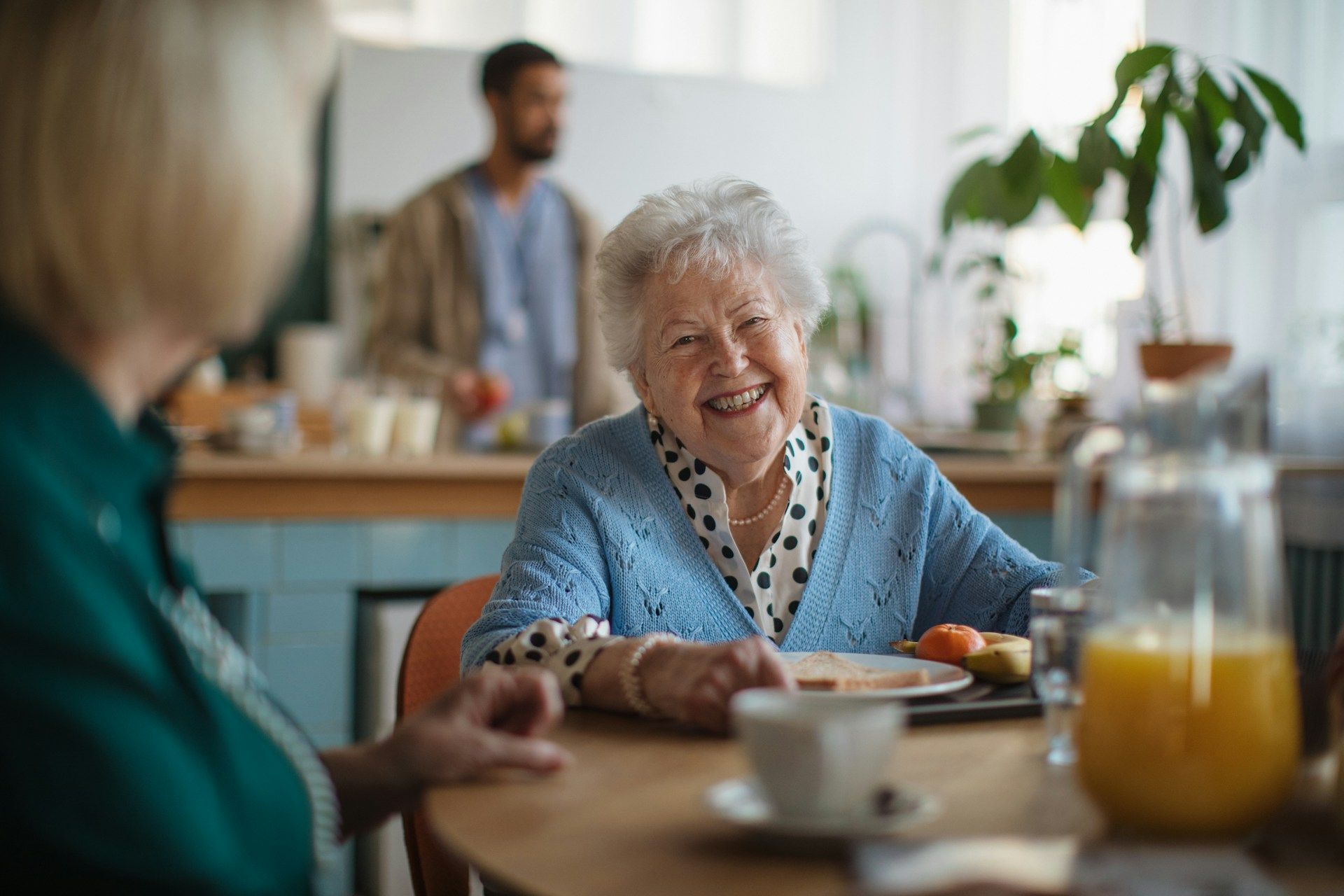
- They need daytime structure, socialization, and activities
- You work or need regular daytime respite
In-home help can be better when:
- There are overnight worries or frequent night waking
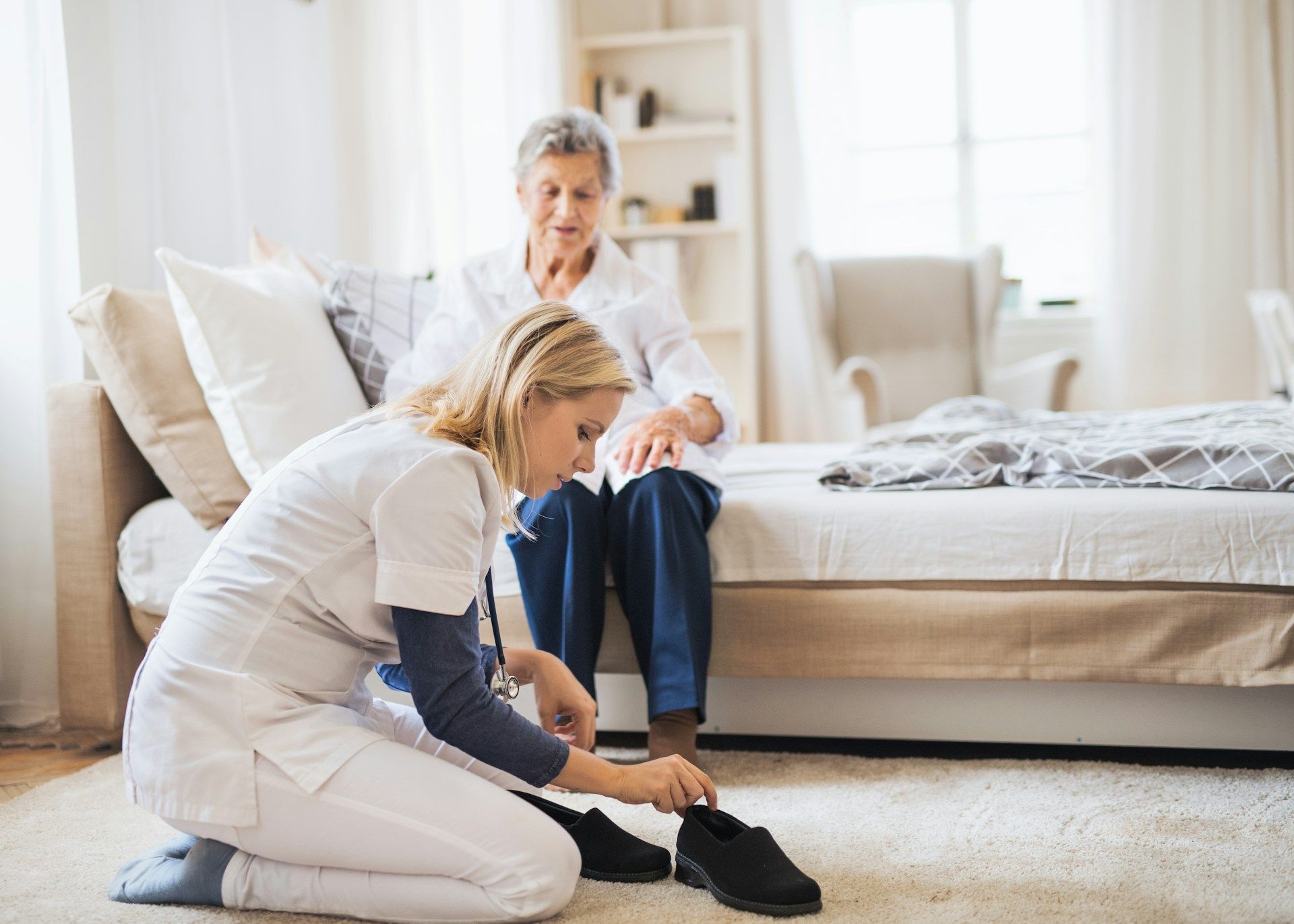
- Your kupuna is bedbound or needs hands-on personal care
- Transfers, toileting, and bathing are becoming too heavy for family alone
Adding help is not “giving up.” It is a way to protect dignity and keep aging in place going longer by reducing crises and burnout for everyone.
Build a Right-Sized Plan With Local Support on Oahu
You do not have to change everything at once. Start small, add one structured activity or one new support, then see how everyone feels and adjust. As the holiday season approaches, check in again and make simple updates to match new schedules or health changes.
At Hale Hauoli Hawaii, we focus on positive aging through adult day services, education, and caregiver support. Senior activities in Oahu work best when they fit real life, not a perfect schedule on paper. Try creating a simple weekly calendar that blends home routines, community outings that truly work with transportation, and supervised programs when needed. With the right mix, kupuna can stay safer and happier at home, and caregivers can breathe a little easier.
Discover Engaging Daily Life For Seniors In Oahu
At Hale Hau’oli Hawai’i, we create meaningful connections and joyful routines through thoughtfully planned
senior activities in Oahu. Our team is ready to help you find the right mix of social, physical, and creative programs for your loved one. If you are ready to learn more or schedule a visit, please
contact us today.