48-Hour Plan After a Health Scare in Honolulu
Take a Breath: Stabilizing the First 48 Hours
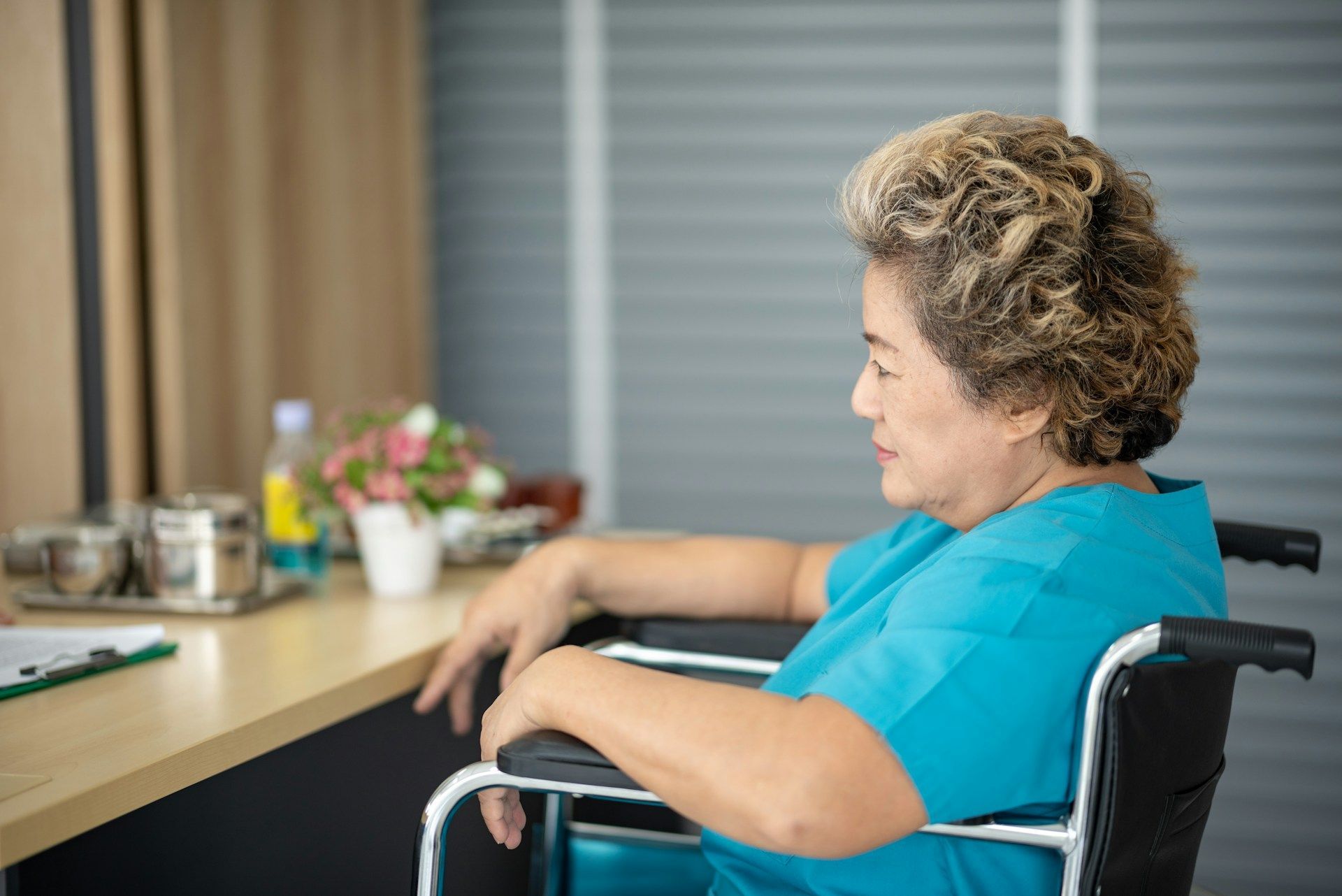
A health scare with an elderly loved one can turn life upside down in a single day. A fall, stroke, heart event, infection, or sudden confusion can send everyone into panic mode. On Oahu, where many of us are juggling work, rush hour traffic, school pickups, and caregiving, those first 48 hours can feel impossible.
Our goal in those early hours is simple: safety, clarity, and basic planning, not perfection. If you are feeling scared or guilty or unsure what to do, that is normal. Having an easy checklist for who to call, what to ask at discharge, and what to set up at home can calm the chaos and help prevent another emergency or a fast trip back to the hospital.
Here on Oahu, many of us live in multigenerational homes. There can be strong cultural pressure to keep elderly loved ones at home, even when care needs grow. At the same time, specialist appointments can be hard to get, and early fall brings extra stress with hurricane readiness and the start of flu season. A simple 48-hour action plan can give your whole family a shared path forward.
Who to Call First: Your Emergency Support Circle
Within the first 24 to 48 hours, one of the most helpful things you can do is build a small circle of people and services you can lean on. Think of these as your anchors when things feel shaky.
Start with healthcare contacts like:
- Primary care provider or clinic
- Health insurance nurse line
- Local pharmacy
- Any current specialists, such as cardiology, neurology, or geriatric care
Ask clear questions like, “Who should I call first if something changes?” and “What is the best number after hours?” Just knowing who to call can lower your stress right away.
Next, pull together a “care circle.” This might include:
- Family members, including off-island relatives
- Friends or neighbors who live nearby
- Church or faith community contacts
- Trusted community or senior organizations
Off-island family often feel helpless. They can still support from a distance by handling things like food delivery, ordering supplies, setting up rideshare accounts for appointments, or managing a shared calendar for visits and check-ins.
Here in Honolulu, there are also senior services that can move quickly. These may include home health agencies, transportation programs, home-delivered meals, and short-term respite options so caregivers can rest. Adult day care and caregiver support programs, like what we offer at Hale Hauoli Hawaii, can often help elderly loved ones stay safe during the day while families manage work and other responsibilities.
Questions You Must Ask Before Hospital Discharge
Before your elderly loved one leaves the hospital or clinic, take a few minutes to slow down and get clear information. Discharge can feel rushed, especially when everyone wants to get home, but this step is key to keeping your elderly loved one safe.
Use a simple question checklist:
- What is the exact diagnosis in plain language?
- What warning signs mean call 911, and what can wait for a clinic call?
- Which medications have been stopped, which are new, and why were changes made?
- Are there new equipment needs like a walker, cane, shower chair, or oxygen?
- Are there any swallowing, diet, or mobility precautions we must follow?
Ask very practical questions about daily life: How far can they walk? Can they safely climb stairs? Is it safe for them to shower alone? Can they be left alone for any amount of time? If anything is confusing, ask staff to explain it in simple words and to write it down.
Before you leave, ask about follow-up care:
- When and where is the next primary care visit?
- Do they recommend home health, physical therapy, or occupational therapy?
- Are there local senior services like adult day care or respite that could support a safe transition home?
Having these answers written down makes the next couple of weeks less stressful and helps everyone give the same message to your elderly loved one.
Setting Up Short-Term Support at Home on Oahu
Once your elderly loved one is home, focus on safety and rest for the first two days. You do not have to fix everything at once. Start with a simple home safety checklist.
Walk through the house and:
- Clear walkways of shoes, cords, and small rugs that shift
- Add nightlights in hallways and bathrooms
- Set up a resting area on the main floor if stairs are hard
- Prepare easy-to-reheat meals and simple snacks
- Organize medications in labeled pillboxes and keep a list handy
Since we live in a tropical climate, remember heat, humidity, and hurricane season. If your elderly loved one uses medical devices, think about backup power or a plan if the electricity goes out. Make sure water is easy to reach and that the home is cool enough.
Families often need extra hands right away, even if only for a few weeks. Short-term support can include:
- Home health services ordered by the doctor
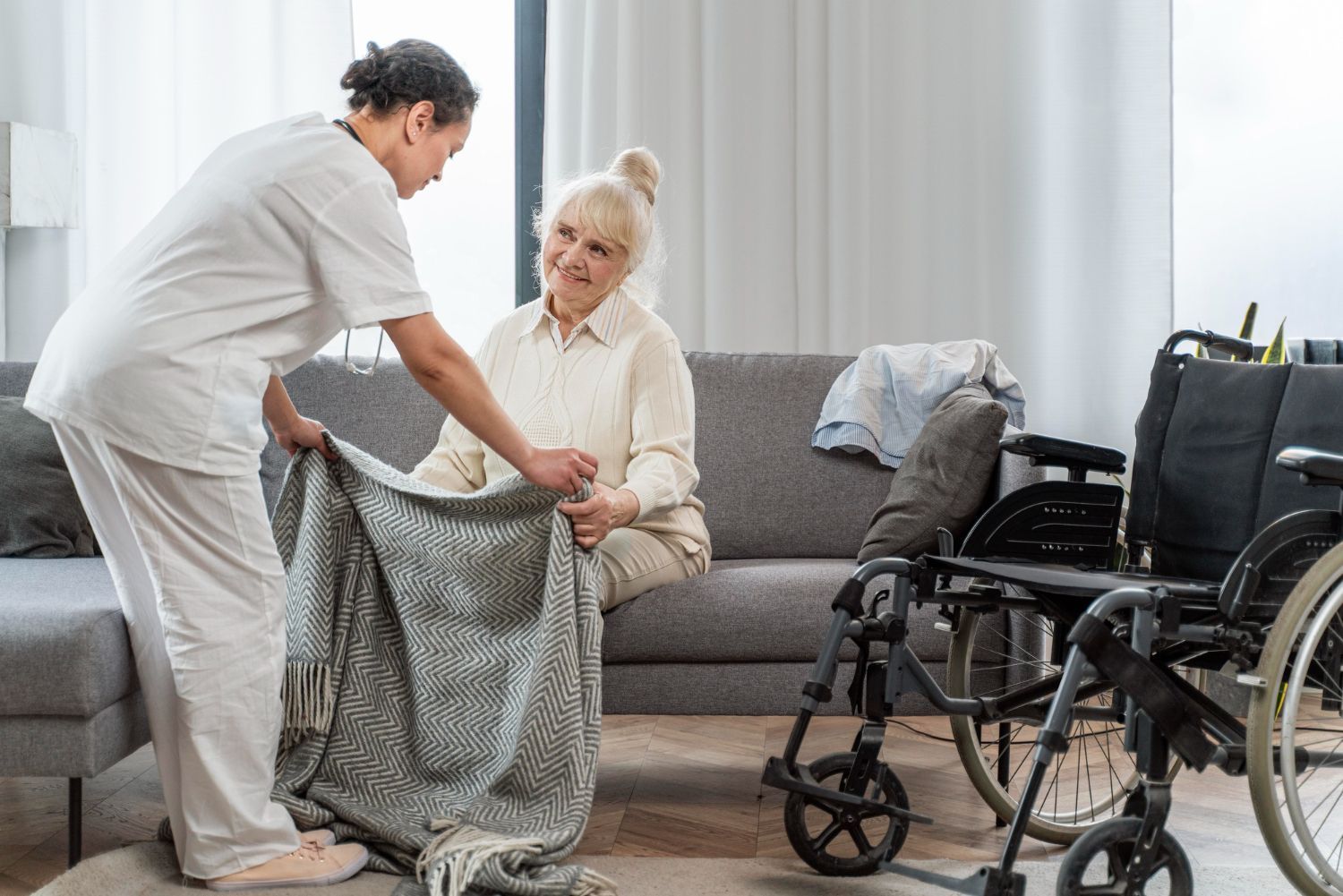
- Private caregivers to help with bathing, toileting, and dressing
- Meal delivery or help with grocery runs
- Transportation help for clinic and therapy visits
- Regular check-in calls or drop-ins from nearby family or neighbors
Senior services in Honolulu, such as adult day care, caregiver education, and support groups, can step in when family cannot be there all day. Day programs give elderly loved ones safe structure, social time, and monitoring after a health scare, while caregivers get time to work, rest, or manage other parts of life.
Coordinating Community Care and Senior Services in Honolulu
After the first 48 hours, your focus can shift from crisis mode to building a support team that fits your elderly loved one’s needs. Different challenges call for different kinds of help.
Think about what you are seeing:
- Memory issues or confusion
- Trouble walking or getting in and out of chairs
- Loneliness or sadness from being home all day
- Exhausted caregivers who are stretched thin
You can match these needs with options such as adult day care, dementia-focused programs, senior transportation, caregiver support groups, or elderly activities grounded in local culture and values. These kinds of services can help your elderly loved one stay connected and give you space to breathe.
To keep everything straight, create one central place for information. A simple notebook or a shared digital file can include:
- A current medication list
- Health conditions and allergies
- Contact information for doctors and senior services in Honolulu
- Upcoming appointment dates and times
- An emergency plan, including who to call first
At Hale Hauoli Hawaii, we see how much stress gets lifted when families are not trying to hold every detail in their heads. As fall holidays and family gatherings approach, having this kind of plan makes it easier to balance celebration with care needs.
Your Next Three Steps to Protect Your Elderly Loved One
When your mind is spinning, it helps to have a short list. If you remember nothing else, focus on these three steps in the first couple of days after a health scare:
- Call your elderly loved one’s primary care provider or clinic nurse line to review what happened and confirm the care plan.
- Schedule follow-up appointments and ask if home health, physical therapy, occupational therapy, or adult day care might be helpful.
- Contact a trusted senior services provider in Honolulu, such as Hale Hauoli Hawaii, to learn about short-term respite, adult day care, and caregiver support options.
A health scare can be a turning point, not just a crisis. It can be the moment your family decides to build a safer, more sustainable care plan instead of waiting for the next emergency. Set a reminder about a month from now to sit down with your family and ask, “What is working? What is still heavy? Where do we need more help?”
At Hale Hauoli Hawaii, we are here to walk alongside elderly loved ones and caregivers through those first 48 hours and beyond, with adult day care, caregiver education, and support that respects local values and family strengths. No one has to carry this alone, and small steps today can protect your elderly loved one’s comfort and your family’s well-being in the weeks and months ahead.
Support Safe, Comfortable Aging At Home In Honolulu
If you are exploring options to help an older loved one stay independent, our team at Hale Hau’oli Hawai’i is here to guide you. Learn how our specialized
senior services in Honolulu can provide the daily support and meaningful engagement your family member deserves. To talk through your situation and next steps, please
contact us so we can help you create a personalized plan.