Working Caregiver’s Guide to Oʻahu Senior Programs: Eligibility and Enrollment
Take the Stress Out of Finding Help for Your Elders
Caring for a parent or grandparent while working is a lot to hold, especially on Oahu when kids are heading back to school and traffic seems to grow every week. Your work still needs you, your family still needs you, and your elders deserve to feel safe, respected, and engaged. Many caregivers end up feeling pulled in every direction.
Senior programs in Oahu can give your loved one a safe place to be during the day, with people to talk to, things to do, and support for health and daily needs. That gives you time to focus on your job, errands, and your own well-being. In this guide, we walk through how these programs work, who qualifies, how to get referrals, what to expect from enrollment, and how to handle hours, transportation, and waitlists with less stress.
Know Your Options: Types of Senior Programs on Oahu
On Oahu, there are several kinds of senior programs that support both elders and caregivers. Each one fills a slightly different need, so it helps to know the basic types.
Common options include:
- Adult day care
- Adult day health programs
- County senior centers and senior clubs
- In-home services
- Short-term respite programs
Adult day care programs usually offer supervision, simple wellness checks, meals or snacks, and structured activities like exercise, arts, music, and social games. These programs work well for elders who are mostly stable but need company, a safe space, and help with daily tasks. They can also support those living with memory loss, as long as behavior and medical needs are manageable in a group setting.
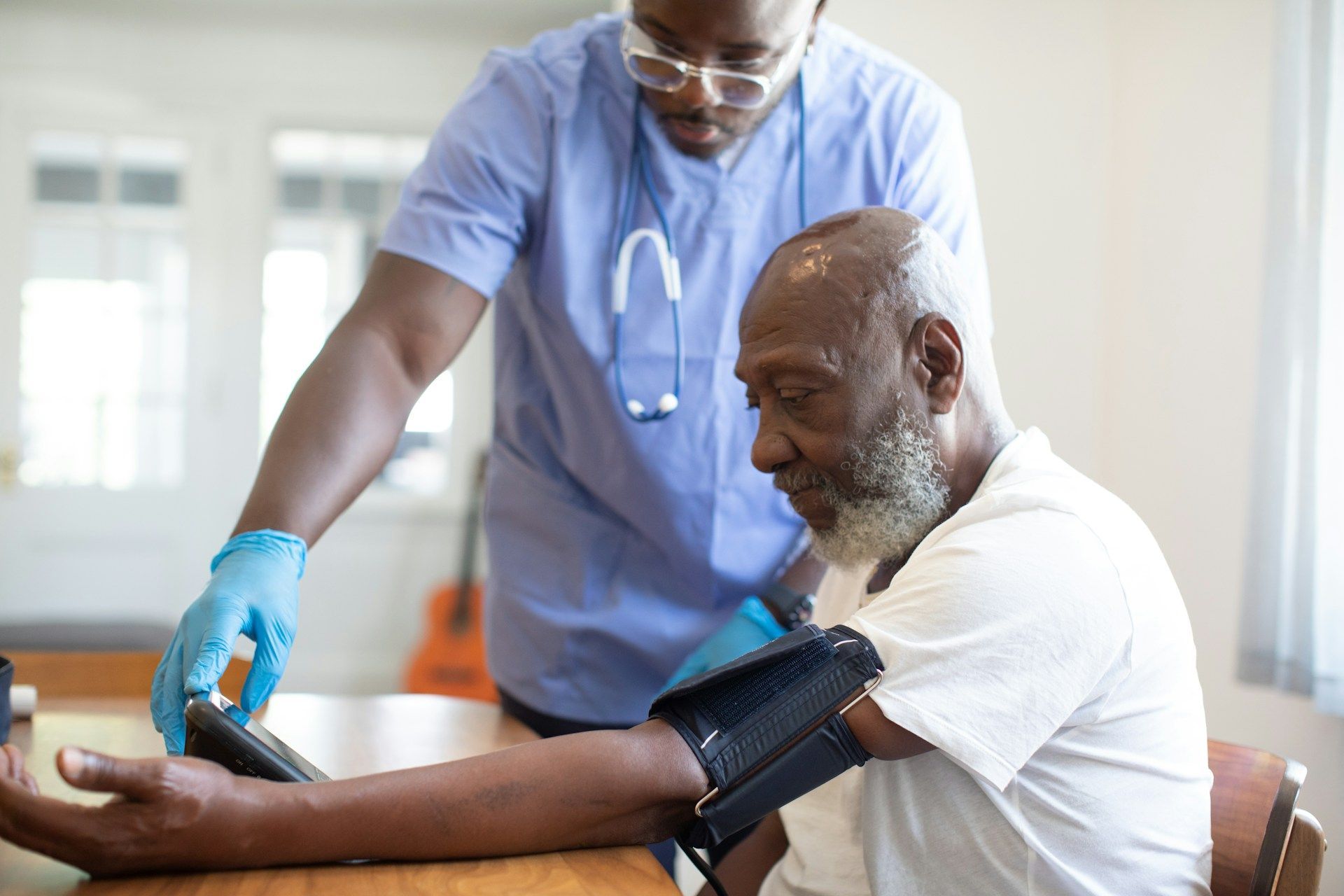
Adult day health programs may have more medical oversight, such as nursing support or therapy. They may be better for elders with more complex health conditions who still benefit from group time.
County senior centers and senior clubs often focus on:
- Social and recreational activities
- Classes, hobbies, and elder-friendly exercise
- Peer support and friendships
These settings may work best for more independent elders who do not need close supervision but enjoy regular activities and community.
In-home services and respite programs bring support into the home for a set number of hours, or give caregivers a short break from daily care. This can help when transportation is hard, or while you wait for an opening in a day program.
During late summer, when school traffic grows and days fill up again, having a steady daytime program can help keep elders safe, out of the midday sun, and engaged in a cool, supervised setting. It can also make your own schedule more predictable.
Eligibility Basics: Who Qualifies and What to Prepare
Most senior programs in Oahu have similar eligibility guidelines, but each program will have its own details. In general, staff will look at:
- Age (many programs focus on older adults)
- Ability to be safe in a group setting
- Medical stability (no urgent medical needs that require constant nursing)
- Cognitive status, such as memory loss or confusion level
- Behavior, such as wandering, aggression, or strong resistance to care
Before you start calling programs, it helps to gather some basic documents. This makes intake smoother and saves time.
Useful items to prepare:
- Photo ID for your elder
- Insurance cards or information
- Name and contact information for your elder’s primary physician and specialists
- Current medication list, including over-the-counter and supplements
- Emergency contact list and preferred hospital
- Any advance directives or power of attorney papers, if available
Income and insurance can affect which programs are open to your family and how services are paid for. Some families use Medicaid or Med-QUEST, long-term care insurance, VA benefits, or other coverage. If you are not sure what is covered, you can ask:
- Your elder's health plan or insurance helpline
- The program's intake staff
- Hospital or clinic social workers
- Local aging and disability resource agencies
You do not need to have every answer before you call, but knowing the basics will help staff guide you toward options that fit your situation.
Referrals, Assessments, and Enrollment Step by Step
Getting started often feels like the hardest part. The good news is, you do not always need a formal referral to begin the process.
Referrals can come from:
- You or other family members
- Primary care doctors or specialists
- Hospital discharge planners after a stay
- Social workers or case managers
- Community agencies that support older adults
Once you connect with a program, they usually set up an assessment or intake visit. This can happen in person or by phone, or sometimes both. During this step, expect:
- Health and safety screening, to understand medical conditions and risk factors
- Cognitive and functional questions, such as how your elder moves, eats, bathes, and communicates
- A caregiver interview about daily routines, cultural and spiritual preferences, likes and dislikes
- A possible trial or starter day, so your elder and the staff can see how things feel
A simple order of steps might look like this:
1. List what your elder needs during the day, supervision, meals, activities, health checks.
2. Research a few senior programs in Oahu that match those needs.
3. Call to ask about eligibility, openings, hours, and transportation.
4. Schedule tours or virtual visits so you and your elder can see the setting.
5. Complete application forms and consent papers.
6. Arrange any needed doctor's clearance or health forms.
7. Plan the first day, packing needed supplies and comfort items.
8. Talk with your employer about any schedule changes for drop-off and pick-up.
Taking it one step at a time keeps the process from feeling too heavy.
Hours, Transportation, and Managing Waitlists
For working caregivers, the details about time and rides can make or break a plan. Many adult day programs on Oahu offer weekday hours that cover the main workday, and some provide early drop-off or later pick-up. Many also welcome part-time schedules, such as a few days a week.
When you call programs, ask:
- What are your opening and closing times?
- Do you allow flexible or part-time days?
- Is there a latest pick-up time before extra fees or staff limits apply?
Transportation can look different for each family. Some programs operate their own vans or shuttles in certain areas. Other options include:
- Handi-Van or similar services, if your elder qualifies
- Private-pay ride services that can help with door-to-door support
- Carpools with family members or trusted friends
- Combining your commute with drop-off and pick-up, timed around peak traffic
Oahu traffic can be heavy, especially during school hours, so building in extra time helps avoid stress. Ask programs how they handle late arrivals, missed days, or sudden changes.
Many popular senior programs in Oahu keep waitlists. That is common, and it does not mean you are stuck. To handle waitlists:
- Place your elder on more than one list if possible
- Ask if there are priority criteria, such as safety risks at home
- Check in regularly, but kindly, to stay on their radar
- Ask about seasonal trends, such as more openings after summer travel ends
- Use respite or in-home care as a temporary bridge while you wait
Having a back-up plan keeps you from feeling trapped when a program you like is full.
Put a Plan in Place for Your Family
The most helpful step you can take this month is simply to start. Set a small timeline, such as choosing one week to make calls and another week to tour programs. Aim to apply to at least one or two options that fit your elder's needs and your work schedule.
A simple planning checklist:
- Clarify what your elder needs during the day
- Confirm insurance and any benefits that may help
- List preferred locations based on home, work, and traffic
- Note your ideal hours, including earliest drop-off and latest pick-up
- Gather key documents in a folder
- Identify back-up transportation and a back-up care plan
At Hale Hauoli Hawaii, we focus on adult day services and caregiver support on Oahu, and we understand how heavy the load can feel. Senior programs in Oahu are here to support your elder and your whole family, and you do not have to sort through the options alone. With a steady plan and the right program, both you and your loved one can move through each day with more calm, safety, and joy.
Discover Supportive Senior Programs That Fit Your ‘Ohana
If you are ready to explore compassionate, structured care for a loved one, our
senior programs in Oahu can help your family find balance and peace of mind. At Hale Hau’oli Hawai’i, we work with you to understand your kupuna’s needs and match them with meaningful daily activities and support. Reach out through our
contact page so we can talk about how we can best support your family’s caregiving journey.